
You're growing in this Zip Code:
Discover Plants for Your Area
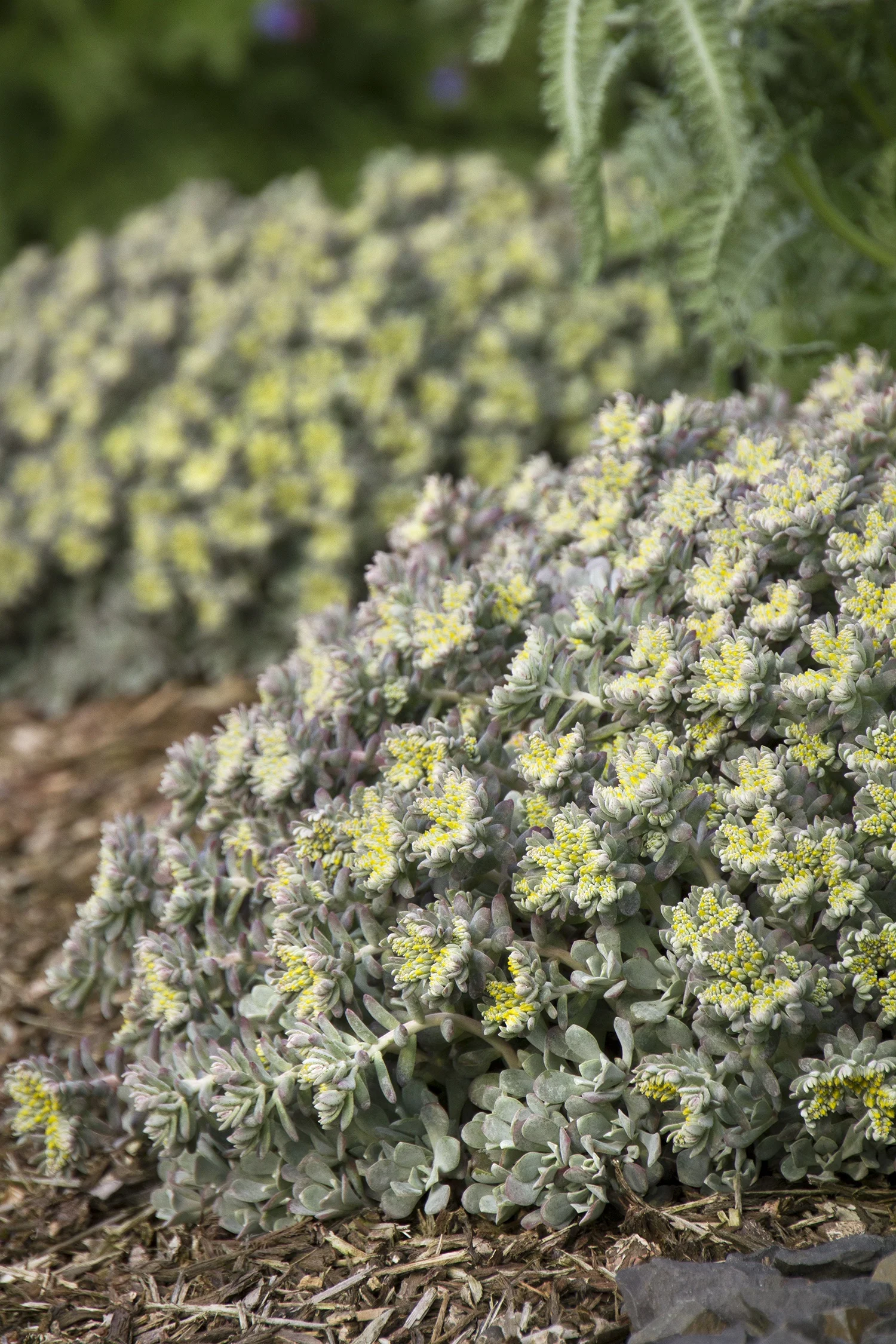


Cape Blanco Stonecrop
Sedum spathulifolium 'Cape Blanco'
Pronunciation: SEE-dum spath-you-lif-FOH-lee-um
SKU #03428
LIGHT:
Full sun, Partial sun
WATER:
Allow soil to dry between waterings.
SIZE:
Moderate growing; reaches 2 to 4 in. tall, spreading 24 in. wide.

Retailers Near You
Ready to Grow?
Ship Monrovia plants directly to your door. Browse a curated selection available online.
Shop Now >This Plant's Growing Zones: 5-9
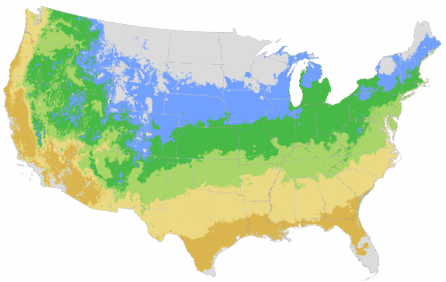
Your USDA Cold Hardiness Zone:
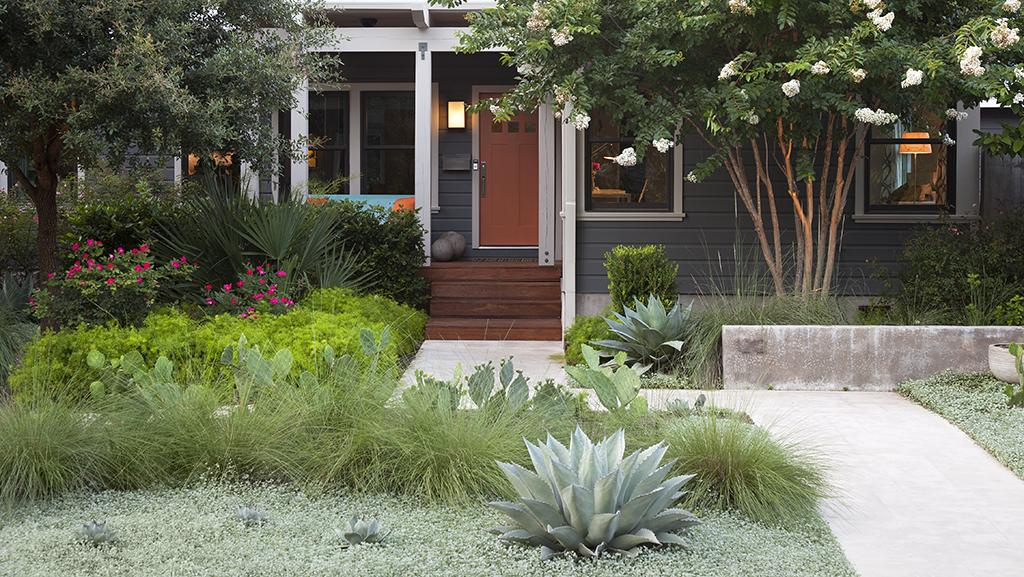
| Description | Brilliant silvery leaves make this a great choice for use as a groundcover, pathway accent, in rock gardens, or in mixed succulent containers. Clusters of tiny yellow flowers contrast nicely with the foliage, which takes on an attractive purplish tinge in cool weather. Thrives in the Pacific Northwest. Foliage is edible. Evergreen. |
|---|---|
| Bloom Time | Summer |
| Deciduous/Evergreen | Evergreen |
| Special Features | Dramatic Foliage Color, Easy Care, Waterwise, Non-toxic to Cats and Dogs, Edible, Attracts Pollinators, Heat Loving |
| Problems/Solutions | Deer Resistant, Rabbit Resistant |
| Growth Rate | Moderate |
| Flower Attributes | Showy Flowers |
| Landscape Use | Container, Ground Cover, Edging |
| Flower Color | Yellow |
| Foliage Color | Silver-blue |
| Companion Plants | Blue Grama Grass (Bouteloua gracilis); Ice Plant (Delosperma); Candytuft (Iberis); St. John's Wort (Hypericum) |
| Care Instructions | Requires good drainage; thrives in lean, sandy or rocky soil; avoid wet, poorly drained sites. Water deeply and regularly during the first growing season to establish an extensive root system; reduce frequency, once established. Control weeds until the plants have filled in. Feed with a general purpose fertilizer. |
| History | This is a cultivar of Sedum spathulifolium, which is native to the Pacific Northwest coast of the U.S.; specifically to Northwest Oregon. |
| Lore | The blooms and foliage are a food source for the brown elfin butterfly and others. In spite of being resistant to grazing by deer, this Sedum is considered to be edible, eaten raw or used as a unique addition to soups or stir-fry. Note: use caution, as high consumption may cause stomach upset. |
Details
| Description | Brilliant silvery leaves make this a great choice for use as a groundcover, pathway accent, in rock gardens, or in mixed succulent containers. Clusters of tiny yellow flowers contrast nicely with the foliage, which takes on an attractive purplish tinge in cool weather. Thrives in the Pacific Northwest. Foliage is edible. Evergreen. |
|---|---|
| Bloom Time | Summer |
| Deciduous/Evergreen | Evergreen |
| Special Features | Dramatic Foliage Color, Easy Care, Waterwise, Non-toxic to Cats and Dogs, Edible, Attracts Pollinators, Heat Loving |
| Problems/Solutions | Deer Resistant, Rabbit Resistant |
| Growth Rate | Moderate |
| Flower Attributes | Showy Flowers |
Style
| Landscape Use | Container, Ground Cover, Edging |
|---|---|
| Flower Color | Yellow |
| Foliage Color | Silver-blue |
| Companion Plants | Blue Grama Grass (Bouteloua gracilis); Ice Plant (Delosperma); Candytuft (Iberis); St. John's Wort (Hypericum) |
Care
| Care Instructions | Requires good drainage; thrives in lean, sandy or rocky soil; avoid wet, poorly drained sites. Water deeply and regularly during the first growing season to establish an extensive root system; reduce frequency, once established. Control weeds until the plants have filled in. Feed with a general purpose fertilizer. |
|---|
History
| History | This is a cultivar of Sedum spathulifolium, which is native to the Pacific Northwest coast of the U.S.; specifically to Northwest Oregon. |
|---|---|
| Lore | The blooms and foliage are a food source for the brown elfin butterfly and others. In spite of being resistant to grazing by deer, this Sedum is considered to be edible, eaten raw or used as a unique addition to soups or stir-fry. Note: use caution, as high consumption may cause stomach upset. |
Retailers Near You
About Us
We have been pioneers and craftsmen in the art of growing plants for 100 years. Since our founding in Southern California by Harry E. Rosedale, Sr. in 1926, we have been absolutely dedicated and obsessed with quality.
We have been pioneers and craftsmen in the art of growing plants for nearly 100 years. Since our founding in Southern California by Harry E. Rosedale, Sr. in 1926, we have been absolutely dedicated and obsessed with quality.