
You're growing in this Zip Code:
Change LocationDiscover Plants for Your Area
Green Columnar Juniper
Juniperus chinensis 'Hetzii Columnaris'
Pronunciation: ju-NIP-er-us chi-NEN-sis
SKU #04750
LIGHT:
Full sun
WATER:
Water when top 2 inches of soil is dry.
SIZE:
Grows 15 ft. tall, 5 ft. wide in natural form.

Retailers Near You
Ready to Grow?
Ship Monrovia plants directly to your door. Browse a curated selection available online.
Shop Now >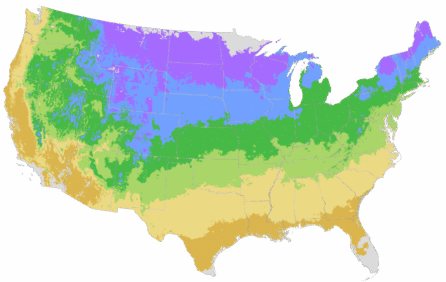
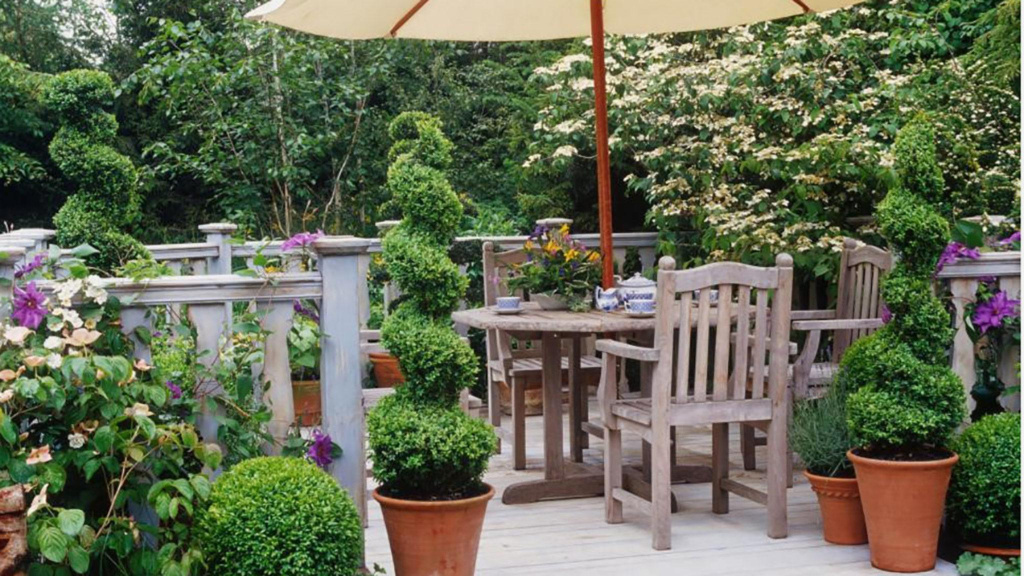
| Description | An attractive, upright, pyramidal form highlighted by crisp bright green foliage on dense, tight branches. Prized for its versatility, it works well as an evergreen screen or background planting, in natural form, or shaped. An excellent specimen for topiary use in formal gardens. Well-suited to containers. |
|---|---|
| Bloom Time | Conifer; prized for foliage. |
| Deciduous/Evergreen | Evergreen |
| Special Features | Easy Care, Waterwise, Heat Loving, Fast Growing |
| Problems/Solutions | Coastal Exposure, Deer Resistant, Erosion Control, Rabbit Resistant, Drought Tolerant, Tolerates Urban Pollution |
| Growth Rate | Moderate |
| Growth Habit | Pyramidal |
| Landscape Use | Border, Container, Hedge, Privacy Screen, Windbreak, Suitable for Topiary |
| Design Ideas | This is a super windbreak plant when lined in a tight row. When slightly separated, its staccato repeats create an architectural divide. This column of green foliage is available in spirals and poodle columns that are perfect in formal gardens or, best of all, as potted specimens. Also, you can let them grow naturally and gradually shape as you see fit. Perfect for Persian-inspired courtyard gardens when used as a matched set of four at the corners of a large tiered fountain or central plaza. A good choice for bringing two-story walls down to a more human scale. |
| Foliage Color | Green |
| Companion Plants | Maiden Grass (Miscanthus); Rose (Rosa); Catmint (Nepeta); Russian Sage (Perovskia); Barberry (Berberis) |
| Care Instructions | Highly adaptable and easy to grow in most well-drained soils; avoid overly wet conditions. Water deeply, regularly during first growing season to establish an extensive root system. Once established, reduce frequency; tolerates mild drought. Feed with a general purpose fertilizer before new growth begins in spring. Prune as needed to shape. |
| History | This columnar shaped cultivar was introduced in the 1940s by Fairview Nursery of Pennsylvania. It was selected by Neil R. Heitz from seedlings of its parent species, J. chinensis, which is native to China in mountains collected at the 10,000 foot elevation. The Chinese have gown the species for centuries and produced a number of cultivars before the plant found its way to the west in the 16th or 17th centuries. This produced a huge array of sizes, forms and colors within the species. There are over sixty other species in the genus Juniperus classified in 1767 by Linnaeus, inspired by its place of origin. |
Details
| Description | An attractive, upright, pyramidal form highlighted by crisp bright green foliage on dense, tight branches. Prized for its versatility, it works well as an evergreen screen or background planting, in natural form, or shaped. An excellent specimen for topiary use in formal gardens. Well-suited to containers. |
|---|---|
| Bloom Time | Conifer; prized for foliage. |
| Deciduous/Evergreen | Evergreen |
| Special Features | Easy Care, Waterwise, Heat Loving, Fast Growing |
| Problems/Solutions | Coastal Exposure, Deer Resistant, Erosion Control, Rabbit Resistant, Drought Tolerant, Tolerates Urban Pollution |
| Growth Rate | Moderate |
| Growth Habit | Pyramidal |
Style
| Landscape Use | Border, Container, Hedge, Privacy Screen, Windbreak, Suitable for Topiary |
|---|---|
| Design Ideas | This is a super windbreak plant when lined in a tight row. When slightly separated, its staccato repeats create an architectural divide. This column of green foliage is available in spirals and poodle columns that are perfect in formal gardens or, best of all, as potted specimens. Also, you can let them grow naturally and gradually shape as you see fit. Perfect for Persian-inspired courtyard gardens when used as a matched set of four at the corners of a large tiered fountain or central plaza. A good choice for bringing two-story walls down to a more human scale. |
| Foliage Color | Green |
| Companion Plants | Maiden Grass (Miscanthus); Rose (Rosa); Catmint (Nepeta); Russian Sage (Perovskia); Barberry (Berberis) |
Care
| Care Instructions | Highly adaptable and easy to grow in most well-drained soils; avoid overly wet conditions. Water deeply, regularly during first growing season to establish an extensive root system. Once established, reduce frequency; tolerates mild drought. Feed with a general purpose fertilizer before new growth begins in spring. Prune as needed to shape. |
|---|
History
| History | This columnar shaped cultivar was introduced in the 1940s by Fairview Nursery of Pennsylvania. It was selected by Neil R. Heitz from seedlings of its parent species, J. chinensis, which is native to China in mountains collected at the 10,000 foot elevation. The Chinese have gown the species for centuries and produced a number of cultivars before the plant found its way to the west in the 16th or 17th centuries. This produced a huge array of sizes, forms and colors within the species. There are over sixty other species in the genus Juniperus classified in 1767 by Linnaeus, inspired by its place of origin. |
|---|
Retailers Near You
About Us
We have been pioneers and craftsmen in the art of growing plants for 100 years. Since our founding in Southern California by Harry E. Rosedale, Sr. in 1926, we have been absolutely dedicated and obsessed with quality.
We have been pioneers and craftsmen in the art of growing plants for nearly 100 years. Since our founding in Southern California by Harry E. Rosedale, Sr. in 1926, we have been absolutely dedicated and obsessed with quality.