
You're growing in this Zip Code:
Change LocationDiscover Plants for Your Area
Goodwin Creek Gray Lavender
Lavandula x ginginsii 'Goodwin Creek Gray'
Pronunciation: la-VAN-dew-la dens-i-FLO-ra
SKU #05739
LIGHT:
Full sun
WATER:
Let soil go almost dry between waterings.
SIZE:
Moderate growing; reaches 2 to 4 ft. tall and wide.

Retailers Near You
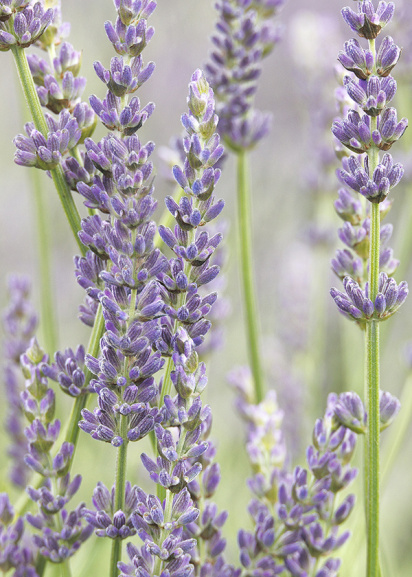
| Description | A dense mound of finely toothed, silver-grey foliage and beautiful, long, slender, dark purple flower spikes. Very tolerant of heat, sun, and periodic drought. Ideal for sunny perennial borders or rock gardens, and raised beds or containers. In colder climates, overwinter potted plants indoors until spring, after danger of frost. Evergreen. |
|---|---|
| Bloom Time | Summer |
| Deciduous/Evergreen | Evergreen |
| Special Features | Dramatic Foliage Color, Easy Care, Waterwise, Attracts Pollinators |
| Problems/Solutions | Deer Resistant, Rabbit Resistant, Drought Tolerant |
| Growth Rate | Moderate |
| Flower Attributes | Flowers for Cutting, Fragrant, Showy Flowers |
| Landscape Use | Border, Container, Edging |
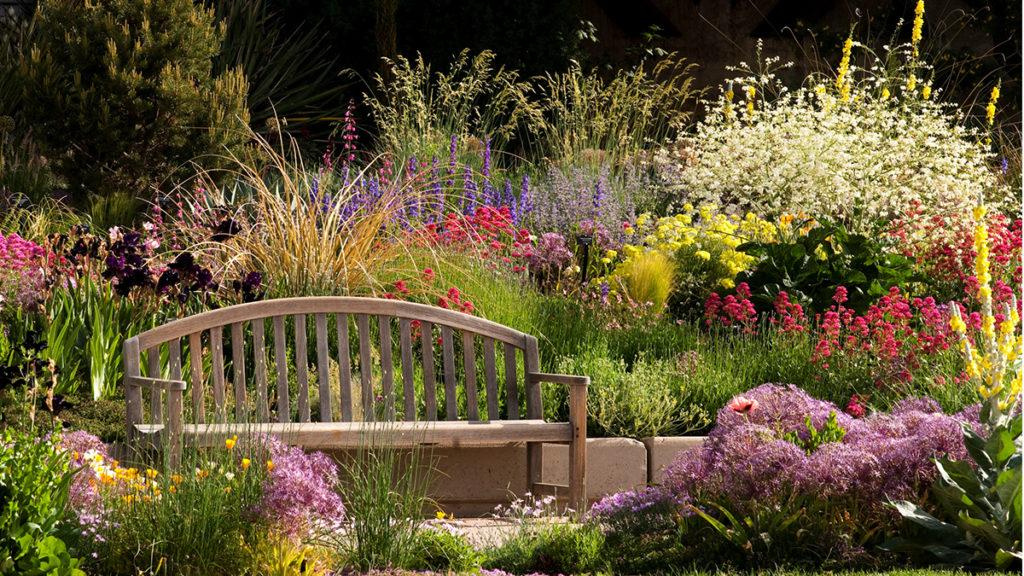
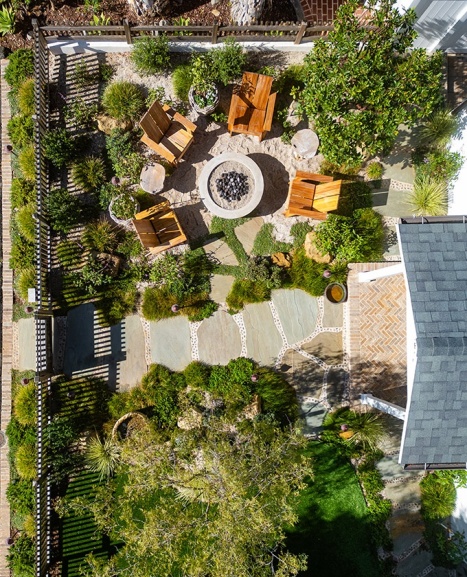
| Design Ideas | This hybrid Lavender makes an informal heat-loving perennial to fill borders or a dense edging plant. Also works well as a short hedge either left natural or sheared, which releases its fragrance even when out of bloom. Resistant to heat and some drought, Lavender is perfect for rock gardens, with Western natives or in drought-resistant plantings. |
| Flower Color | Purple |
| Foliage Color | Gray-green |
| Companion Plants | Black-Eyed Susan (Rudbeckia); Rosemary (Rosmarinus); Rose (Rosa); Coneflower (Echinacea); Shasta Daisy (Chrysanthemum) |
| Care Instructions | Thrives in lean, loose, fast-draining, slightly alkaline soil; avoid heavy, soggy soils. Plant with crowns slightly above soil level. Water regularly during the first growing season to establish root system. Once established, reduce frequency; tolerates periodic drought. Remove spent flowers to promote continued bloom. |
| History | From a chance seedling discovered by Jim Becker of Goodwin Creek Gardens in Williams, Oregon, this is the only known cultivar derived from a rare cross of Lavandula dentata and the hardier L. lanata. The hybrid name ginginsii was given in tribute to Baron Frederic Charles Jean Gingins de la Sarraz (1790-1863), for his great contribution to the study of the genus. |
| Lore | Genus name, Lavandula is derived from the Latin verb lavoor lavandus - to wash, because it was widely used in ancient Roman baths. |
Details
| Description | A dense mound of finely toothed, silver-grey foliage and beautiful, long, slender, dark purple flower spikes. Very tolerant of heat, sun, and periodic drought. Ideal for sunny perennial borders or rock gardens, and raised beds or containers. In colder climates, overwinter potted plants indoors until spring, after danger of frost. Evergreen. |
|---|---|
| Bloom Time | Summer |
| Deciduous/Evergreen | Evergreen |
| Special Features | Dramatic Foliage Color, Easy Care, Waterwise, Attracts Pollinators |
| Problems/Solutions | Deer Resistant, Rabbit Resistant, Drought Tolerant |
| Growth Rate | Moderate |
| Flower Attributes | Flowers for Cutting, Fragrant, Showy Flowers |
Style
| Landscape Use | Border, Container, Edging |
|---|---|
| Design Ideas | This hybrid Lavender makes an informal heat-loving perennial to fill borders or a dense edging plant. Also works well as a short hedge either left natural or sheared, which releases its fragrance even when out of bloom. Resistant to heat and some drought, Lavender is perfect for rock gardens, with Western natives or in drought-resistant plantings. |
| Flower Color | Purple |
| Foliage Color | Gray-green |
| Companion Plants | Black-Eyed Susan (Rudbeckia); Rosemary (Rosmarinus); Rose (Rosa); Coneflower (Echinacea); Shasta Daisy (Chrysanthemum) |
Care
| Care Instructions | Thrives in lean, loose, fast-draining, slightly alkaline soil; avoid heavy, soggy soils. Plant with crowns slightly above soil level. Water regularly during the first growing season to establish root system. Once established, reduce frequency; tolerates periodic drought. Remove spent flowers to promote continued bloom. |
|---|
History
| History | From a chance seedling discovered by Jim Becker of Goodwin Creek Gardens in Williams, Oregon, this is the only known cultivar derived from a rare cross of Lavandula dentata and the hardier L. lanata. The hybrid name ginginsii was given in tribute to Baron Frederic Charles Jean Gingins de la Sarraz (1790-1863), for his great contribution to the study of the genus. |
|---|---|
| Lore | Genus name, Lavandula is derived from the Latin verb lavoor lavandus - to wash, because it was widely used in ancient Roman baths. |
Retailers Near You
About Us
We have been pioneers and craftsmen in the art of growing plants for 100 years. Since our founding in Southern California by Harry E. Rosedale, Sr. in 1926, we have been absolutely dedicated and obsessed with quality.
We have been pioneers and craftsmen in the art of growing plants for nearly 100 years. Since our founding in Southern California by Harry E. Rosedale, Sr. in 1926, we have been absolutely dedicated and obsessed with quality.