
You're growing in this Zip Code:
Change LocationDiscover Plants for Your Area
Sea of Gold® Juniper
Juniperus x pfitzeriana 'Monsan'
Pronunciation: ju-NIP-er-us
SKU #04813
LIGHT:
Full sun
WATER:
Water when top 2 inches of soil is dry.
SIZE:
Moderate growing; reaches 3 ft. tall, 4 ft. wide, in natural form.

Retailers Near You
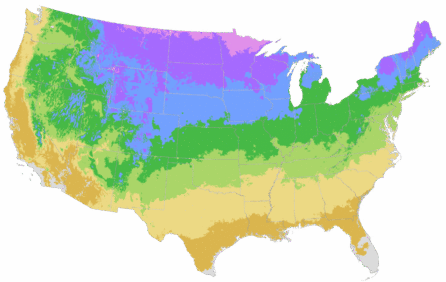
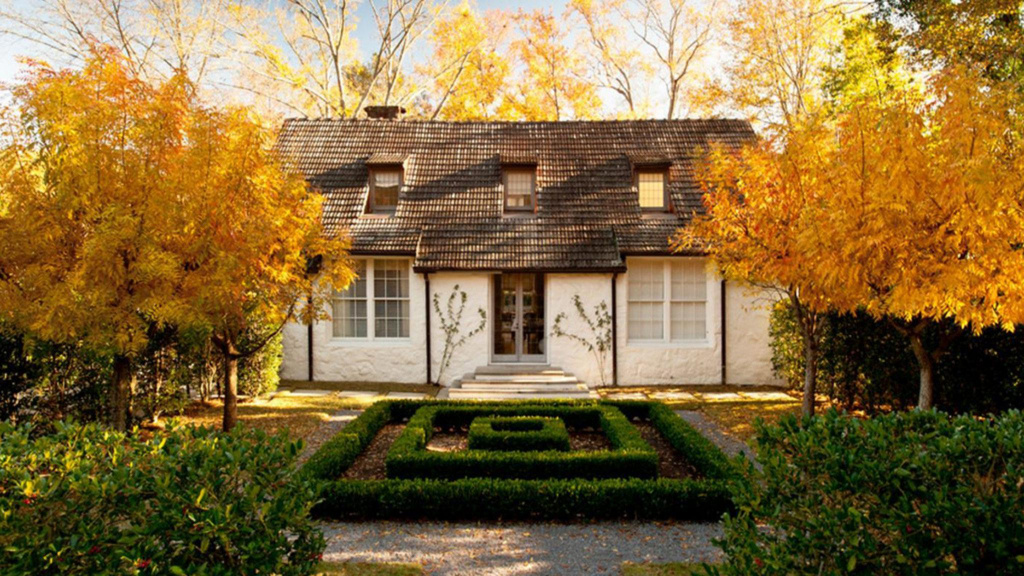
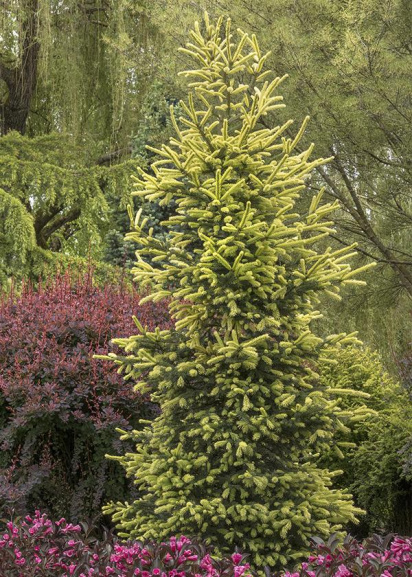
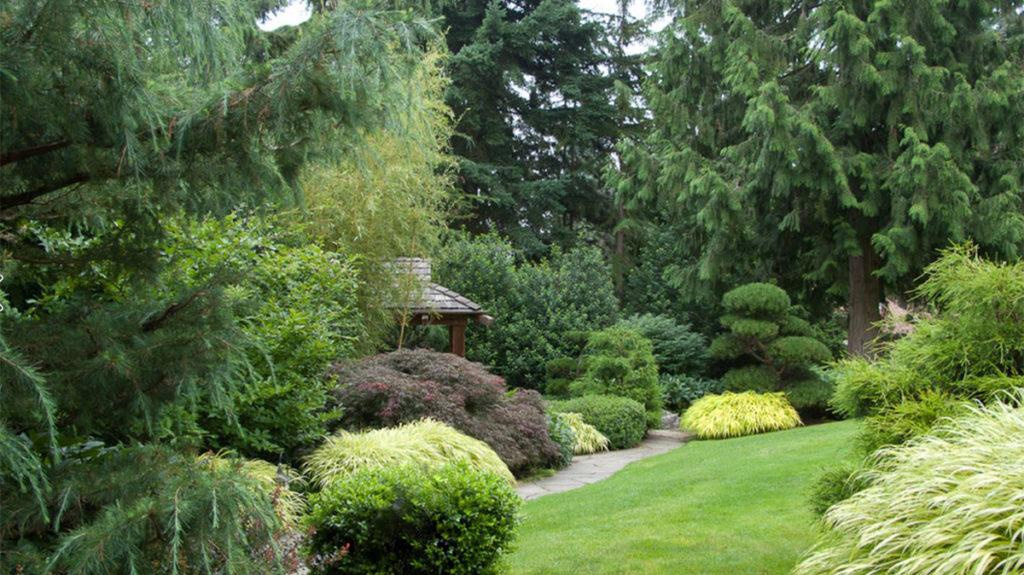
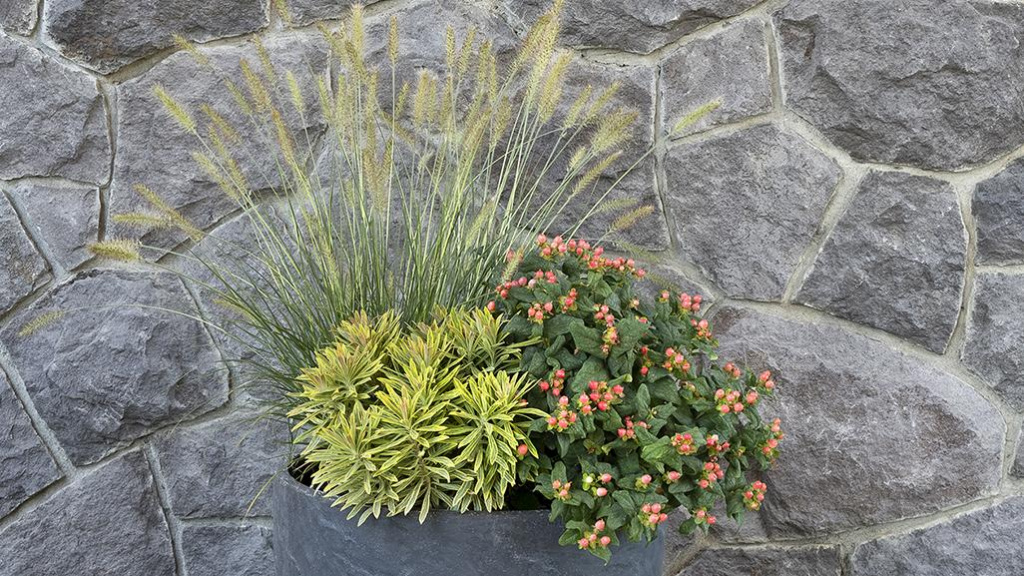
| Description | Outstanding, lacy, golden yellow foliage on this compact evergreen makes a bold statement in the landscape. Superb color retention with a gold hue that deepens in winter better than other gold-tipped varieties. An excellent choice for mass plantings, along foundations, fence lines, driveways and island plantings. |
|---|---|
| Bloom Time | Conifer; prized for foliage. |
| Deciduous/Evergreen | Evergreen |
| Special Features | Dramatic Foliage Color, Easy Care, Waterwise, Compact Form |
| Problems/Solutions | Coastal Exposure, Deer Resistant, Rabbit Resistant, Tolerates Urban Pollution |
| Growth Rate | Moderate |
| Growth Habit | Mounding |
| Patent Act | Asexual reproduction of plants protected by the Plant Patent Act is prohibited during the life of the patent. |
| Landscape Use | Border, Hedge, Ground Cover, Suitable for Topiary |
| Design Ideas | This beautiful evergreen is an extremely useful cold hardy shrub for dozens of applications. Use as a high winter color foundation plant at building walls or along fence lines. Excellent backgrounder for perennial borders. Use gold coloring to add zest to shrub beds and mixed island plantings in lawns. Makes a strong color statement in larger landscapes with long range visibility. Excellent for informal hedges at challenging locations such as driveways, sidewalks, curbs and parkways. |
| Foliage Color | Yellow |
| Companion Plants | Rose (Rosa); Clematis (Clematis); Catmint (Nepeta); Barberry (Berberis); Russian Sage (Perovskia); Speedwell (Veronica) |
| Care Instructions | Highly adaptable and easy to grow in most well-drained soils; avoid overly wet conditions. Water deeply, regularly during first growing season to establish an extensive root system. Once established, reduce frequency; tolerates mild drought. Apply fertilizer in early spring. Prune topiary forms regularly to maintain shape and size. |
| History | Discovered in Visalia, California by Monrovia plantsman Jose Santoya, the new and distinct Juniper x pfitzeriana 'Monsan' is characterized by its compact, low growing, outwardly spreading, recumbent and rounded habit with lacy leaves that are initially yellow and become yellow-green in color with development; and tolerance to low temperatures. As compared to the cultivar 'Aurea Improved', the differences are: 1. Developing leaves of plants of 'Monsan' are yellow in color whereas developing leaves of plants of 'Aurea Improved' are more yellow green in color. 2. Fully expanded leaves of plants of 'Monsan' are yellow green in color whereas fully expanded leaves of plants of the cultivar 'Aurea Improved' are light green in color. Juniperus x pfitzeriana 'Monsan' was issued U.S. Plant Patent #17,622 in April, 2007. |
| Lore | In the earliest times, prehistoric people lived in or near Juniper forests that provided them with food, fuel and wood for shelter and utensils. Pfitzer Juniper is a cross between Juniperus chinensis and J.sabina. Juniperus chinensis is native to Northeast Asia, while J.sabina is native to the mountains of central and southern Europe and Western and Central Asia. Both are old world species. |
Details
| Description | Outstanding, lacy, golden yellow foliage on this compact evergreen makes a bold statement in the landscape. Superb color retention with a gold hue that deepens in winter better than other gold-tipped varieties. An excellent choice for mass plantings, along foundations, fence lines, driveways and island plantings. |
|---|---|
| Bloom Time | Conifer; prized for foliage. |
| Deciduous/Evergreen | Evergreen |
| Special Features | Dramatic Foliage Color, Easy Care, Waterwise, Compact Form |
| Problems/Solutions | Coastal Exposure, Deer Resistant, Rabbit Resistant, Tolerates Urban Pollution |
| Growth Rate | Moderate |
| Growth Habit | Mounding |
| Patent Act | Asexual reproduction of plants protected by the Plant Patent Act is prohibited during the life of the patent. |
Style
| Landscape Use | Border, Hedge, Ground Cover, Suitable for Topiary |
|---|---|
| Design Ideas | This beautiful evergreen is an extremely useful cold hardy shrub for dozens of applications. Use as a high winter color foundation plant at building walls or along fence lines. Excellent backgrounder for perennial borders. Use gold coloring to add zest to shrub beds and mixed island plantings in lawns. Makes a strong color statement in larger landscapes with long range visibility. Excellent for informal hedges at challenging locations such as driveways, sidewalks, curbs and parkways. |
| Foliage Color | Yellow |
| Companion Plants | Rose (Rosa); Clematis (Clematis); Catmint (Nepeta); Barberry (Berberis); Russian Sage (Perovskia); Speedwell (Veronica) |
Care
| Care Instructions | Highly adaptable and easy to grow in most well-drained soils; avoid overly wet conditions. Water deeply, regularly during first growing season to establish an extensive root system. Once established, reduce frequency; tolerates mild drought. Apply fertilizer in early spring. Prune topiary forms regularly to maintain shape and size. |
|---|
History
| History | Discovered in Visalia, California by Monrovia plantsman Jose Santoya, the new and distinct Juniper x pfitzeriana 'Monsan' is characterized by its compact, low growing, outwardly spreading, recumbent and rounded habit with lacy leaves that are initially yellow and become yellow-green in color with development; and tolerance to low temperatures. As compared to the cultivar 'Aurea Improved', the differences are: 1. Developing leaves of plants of 'Monsan' are yellow in color whereas developing leaves of plants of 'Aurea Improved' are more yellow green in color. 2. Fully expanded leaves of plants of 'Monsan' are yellow green in color whereas fully expanded leaves of plants of the cultivar 'Aurea Improved' are light green in color. Juniperus x pfitzeriana 'Monsan' was issued U.S. Plant Patent #17,622 in April, 2007. |
|---|---|
| Lore | In the earliest times, prehistoric people lived in or near Juniper forests that provided them with food, fuel and wood for shelter and utensils. Pfitzer Juniper is a cross between Juniperus chinensis and J.sabina. Juniperus chinensis is native to Northeast Asia, while J.sabina is native to the mountains of central and southern Europe and Western and Central Asia. Both are old world species. |
Retailers Near You
About Us
We have been pioneers and craftsmen in the art of growing plants for 100 years. Since our founding in Southern California by Harry E. Rosedale, Sr. in 1926, we have been absolutely dedicated and obsessed with quality.
We have been pioneers and craftsmen in the art of growing plants for nearly 100 years. Since our founding in Southern California by Harry E. Rosedale, Sr. in 1926, we have been absolutely dedicated and obsessed with quality.