
You're growing in this Zip Code:
Change LocationDiscover Plants for Your Area
Profusion Beautyberry
Callicarpa bodinieri 'Profusion'
Pronunciation: kal-ee-KAR-puh boh-din-ee-ER-ee
SKU #01399
LIGHT:
Full sun
WATER:
Keep soil moist, but not soggy.
SIZE:
Moderate growing; reaches 6 ft. tall and wide.

Retailers Near You

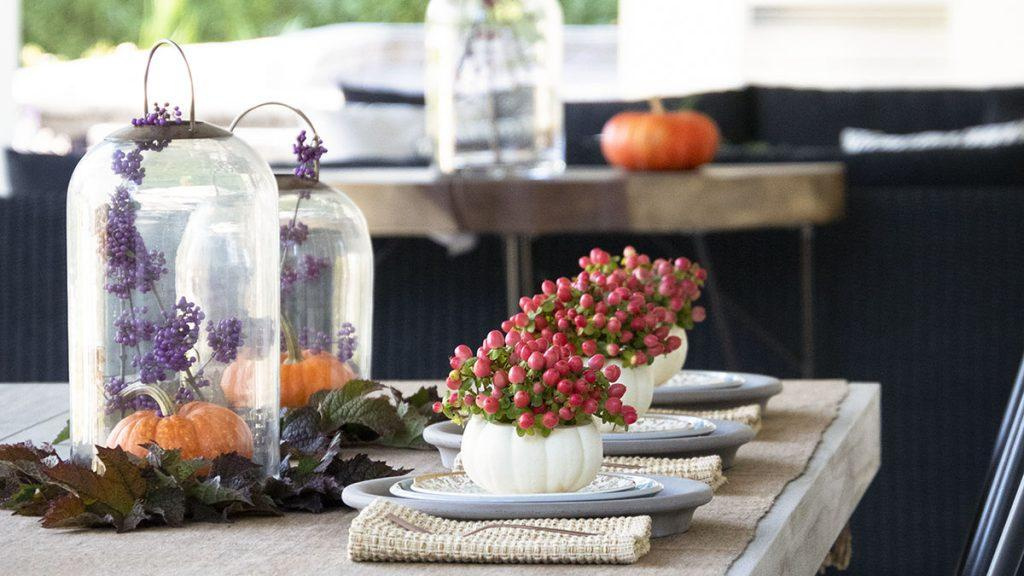
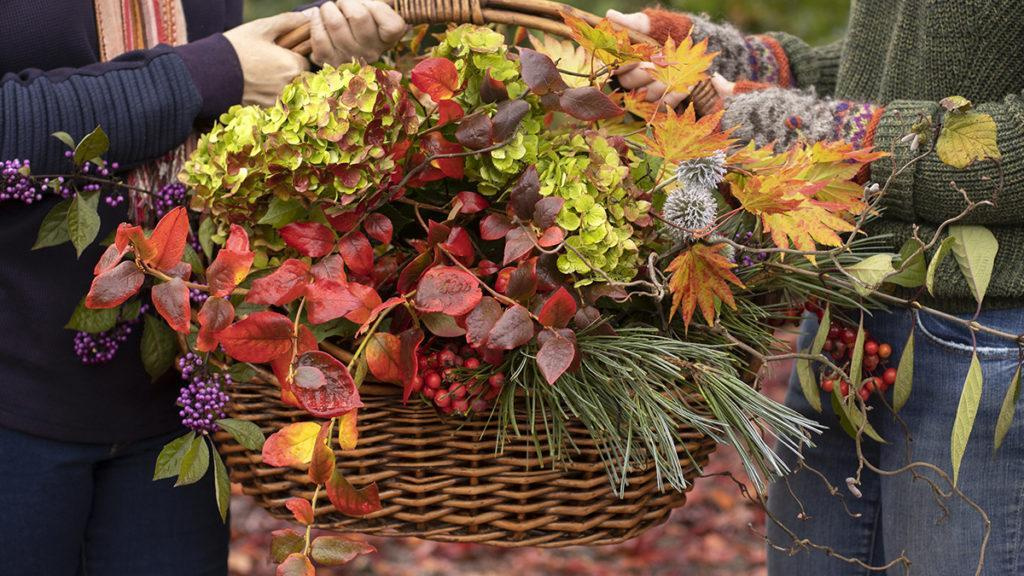
| Description | A superb shrub valued for its abundant clusters of long-lasting, violet-colored berries that cover the branches in fall. New growth has a bronze tinge. Small, purple-pink flowers appear in summer between the large green leaves. Prune in late winter to early spring to encourage new growth. Deciduous. |
|---|---|
| Bloom Time | Summer |
| Deciduous/Evergreen | Deciduous |
| Special Features | Easy Care, Fall Color, Ornamental Berries, Benefits Birds |
| Growth Rate | Moderate |
| Growth Habit | Upright |
| Flower Attributes | Showy Flowers |
| Landscape Use | Border, Hedge |
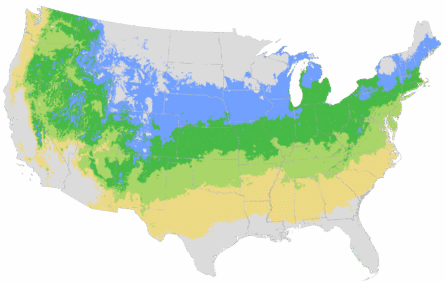
| Design Ideas | A beautiful addition to Audubon gardens as a late season food source for many species of birds. Plant as a backdrop, in mass, or spotted throughout the landscape for fall interest. Can be used as a standout specimen plant in a garden focal point as the plant matures into a vase shape form. This Asian native also adds interest and color to a Far East landscape design. |
| Flower Color | Purplish-pink |
| Foliage Color | Green |
| Foliage Fall Color | Yellow |
| Companion Plants | Snowberry (Symphoricarpos); Eastern Cranberry (Viburnum); Hydrangea (Hydrangea); Dogwood (Cornus); Cotoneaster (Cotoneaster) |
| Care Instructions | Grows easily in average, well-drained soils. Best flowering and fruiting in full sun. Water deeply and regularly during the first growing season to establish an extensive root system. Feed with a general purpose fertilizer before new growth begins in spring. Blooms on new wood; prune in winter to shape and encourage new growth. |
| History | This genus of the verbena family contains about 40 species native to Asia, South America and Australia. This species was named for French missionary, Emile Bodinier, who described plants in China during his residence from 1842 to 1901. It was first received in America by Alfred Rehder of the Arnold Arboretum. Callicarpa is derived from the Greek words for beauty and fruit. |
Details
| Description | A superb shrub valued for its abundant clusters of long-lasting, violet-colored berries that cover the branches in fall. New growth has a bronze tinge. Small, purple-pink flowers appear in summer between the large green leaves. Prune in late winter to early spring to encourage new growth. Deciduous. |
|---|---|
| Bloom Time | Summer |
| Deciduous/Evergreen | Deciduous |
| Special Features | Easy Care, Fall Color, Ornamental Berries, Benefits Birds |
| Growth Rate | Moderate |
| Growth Habit | Upright |
| Flower Attributes | Showy Flowers |
Style
| Landscape Use | Border, Hedge |
|---|---|
| Design Ideas | A beautiful addition to Audubon gardens as a late season food source for many species of birds. Plant as a backdrop, in mass, or spotted throughout the landscape for fall interest. Can be used as a standout specimen plant in a garden focal point as the plant matures into a vase shape form. This Asian native also adds interest and color to a Far East landscape design. |
| Flower Color | Purplish-pink |
| Foliage Color | Green |
| Foliage Fall Color | Yellow |
| Companion Plants | Snowberry (Symphoricarpos); Eastern Cranberry (Viburnum); Hydrangea (Hydrangea); Dogwood (Cornus); Cotoneaster (Cotoneaster) |
Care
| Care Instructions | Grows easily in average, well-drained soils. Best flowering and fruiting in full sun. Water deeply and regularly during the first growing season to establish an extensive root system. Feed with a general purpose fertilizer before new growth begins in spring. Blooms on new wood; prune in winter to shape and encourage new growth. |
|---|
History
| History | This genus of the verbena family contains about 40 species native to Asia, South America and Australia. This species was named for French missionary, Emile Bodinier, who described plants in China during his residence from 1842 to 1901. It was first received in America by Alfred Rehder of the Arnold Arboretum. Callicarpa is derived from the Greek words for beauty and fruit. |
|---|
Retailers Near You
About Us
We have been pioneers and craftsmen in the art of growing plants for 100 years. Since our founding in Southern California by Harry E. Rosedale, Sr. in 1926, we have been absolutely dedicated and obsessed with quality.
We have been pioneers and craftsmen in the art of growing plants for nearly 100 years. Since our founding in Southern California by Harry E. Rosedale, Sr. in 1926, we have been absolutely dedicated and obsessed with quality.