
You're growing in this Zip Code:
Change LocationDiscover Plants for Your Area
Plum Passion® Vine Maple
Acer circinatum 'MonCir'
Pronunciation: AY-ser sir-sin-AY-tum
SKU #08517
LIGHT:
Filtered sun, Full sun, Partial sun
WATER:
Keep soil consistently moist but not soggy.
SIZE:
Moderate growing; reaches 10 to 15 ft. tall, 8 ft. wide.

Retailers Near You
Ready to Grow?
Ship Monrovia plants directly to your door. Browse a curated selection available online.
Shop Now >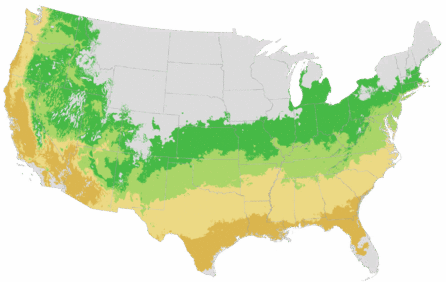
| Description | Striking plum-red spring foliage on an exceptionally refined shrub or small tree superb for a shaded understory, where it develops a graceful, somewhat horizontal habit. Brilliant autumn foliage falls to reveal twisting, bare branches that lend winter interest. Develops a more upright and slender form in sunnier locations. Deciduous. |
|---|---|
| Bloom Time | Spring |
| Deciduous/Evergreen | Deciduous |
| Special Features | Attractive Bark, Dramatic Foliage Color, Easy Care, Fall Color |
| Problems/Solutions | Deer Resistant, Rabbit Resistant |
| Growth Rate | Moderate |
| Design Ideas | True to its name, this plant tends to behave somewhat vine-like when planted in a shady spot, its multiple stems sprawling beautifully through companions. In fall, it splashes color in a woodsy understory and looks brilliant planted with dark conifers. Planted in the sun, it grows into a small, airy tree. Use several to make an arching, shady bower. Espalier against a shady north wall to showcase its attractive structure during winter. |
| Flower Color | Purple |
| Foliage Color | Red |
| Foliage Fall Color | Red |
| Companion Plants | Strawberry Tree (Arbutus unedo); Astilbe (Astilbe); Hosta (Hosta); Dogwood (Cornus kousa); Leatherleaf Fern (Rumohra adiantiformis) |
| Care Instructions | Prefers evenly moist soils and some shade, but adaptable to most soil types and tolerates sun. Water deeply, regularly in first growing season to establish an extensive root system; reduce frequency once established. Apply fertilizer before new growth begins in spring. Prune annually in late winter to promote vigorous new growth. |
| History | Pacific Vine Maple is found in moist woods and along stream banks from British Columbia south to northern California, and is considered to be one of the most useful native trees for the landscape in the Pacific Northwest. This seedling selection was selected for its superior foliage color. |
Details
| Description | Striking plum-red spring foliage on an exceptionally refined shrub or small tree superb for a shaded understory, where it develops a graceful, somewhat horizontal habit. Brilliant autumn foliage falls to reveal twisting, bare branches that lend winter interest. Develops a more upright and slender form in sunnier locations. Deciduous. |
|---|---|
| Bloom Time | Spring |
| Deciduous/Evergreen | Deciduous |
| Special Features | Attractive Bark, Dramatic Foliage Color, Easy Care, Fall Color |
| Problems/Solutions | Deer Resistant, Rabbit Resistant |
| Growth Rate | Moderate |
Style
| Design Ideas | True to its name, this plant tends to behave somewhat vine-like when planted in a shady spot, its multiple stems sprawling beautifully through companions. In fall, it splashes color in a woodsy understory and looks brilliant planted with dark conifers. Planted in the sun, it grows into a small, airy tree. Use several to make an arching, shady bower. Espalier against a shady north wall to showcase its attractive structure during winter. |
|---|---|
| Flower Color | Purple |
| Foliage Color | Red |
| Foliage Fall Color | Red |
| Companion Plants | Strawberry Tree (Arbutus unedo); Astilbe (Astilbe); Hosta (Hosta); Dogwood (Cornus kousa); Leatherleaf Fern (Rumohra adiantiformis) |
Care
| Care Instructions | Prefers evenly moist soils and some shade, but adaptable to most soil types and tolerates sun. Water deeply, regularly in first growing season to establish an extensive root system; reduce frequency once established. Apply fertilizer before new growth begins in spring. Prune annually in late winter to promote vigorous new growth. |
|---|
History
| History | Pacific Vine Maple is found in moist woods and along stream banks from British Columbia south to northern California, and is considered to be one of the most useful native trees for the landscape in the Pacific Northwest. This seedling selection was selected for its superior foliage color. |
|---|
Frequently asked questions
Does Plum Passion® Vine Maple produce flowers?
Spring
Is Plum Passion® Vine Maple evergreen or deciduous?
Plum Passion® Vine Maple is Deciduous.
What are the special features of Plum Passion® Vine Maple?
Plum Passion® Vine Maple is Attractive Bark, Dramatic Foliage Color, Easy Care, Fall Color.
Is Plum Passion® Vine Maple resistant to pests or animals?
Deer Resistant, Rabbit Resistant
How fast does Plum Passion® Vine Maple grow?
Plum Passion® Vine Maple has a Moderate growth rate.
How can I use Plum Passion® Vine Maple in my garden design?
True to its name, this plant tends to behave somewhat vine-like when planted in a shady spot, its multiple stems sprawling beautifully through companions. In fall, it splashes color in a woodsy understory and looks brilliant planted with dark conifers. Planted in the sun, it grows into a small, airy tree. Use several to make an arching, shady bower. Espalier against a shady north wall to showcase its attractive structure during winter.
What color are Plum Passion® Vine Maple flowers?
Plum Passion® Vine Maple produces Purple flowers.
What color is the foliage of Plum Passion® Vine Maple?
Plum Passion® Vine Maple has Red foliage.
What plants grow well with Plum Passion® Vine Maple?
Good companion plants for Plum Passion® Vine Maple include: Strawberry Tree (Arbutus unedo); Astilbe (Astilbe); Hosta (Hosta); Dogwood (Cornus kousa); Leatherleaf Fern (Rumohra adiantiformis).
How do I care for Plum Passion® Vine Maple?
Prefers evenly moist soils and some shade, but adaptable to most soil types and tolerates sun. Water deeply, regularly in first growing season to establish an extensive root system; reduce frequency once established. Apply fertilizer before new growth begins in spring. Prune annually in late winter to promote vigorous new growth.
What is the history of Plum Passion® Vine Maple?
Pacific Vine Maple is found in moist woods and along stream banks from British Columbia south to northern California, and is considered to be one of the most useful native trees for the landscape in the Pacific Northwest. This seedling selection was selected for its superior foliage color.
Retailers Near You
About Us
We have been pioneers and craftsmen in the art of growing plants for 100 years. Since our founding in Southern California by Harry E. Rosedale, Sr. in 1926, we have been absolutely dedicated and obsessed with quality.
We have been pioneers and craftsmen in the art of growing plants for nearly 100 years. Since our founding in Southern California by Harry E. Rosedale, Sr. in 1926, we have been absolutely dedicated and obsessed with quality.