
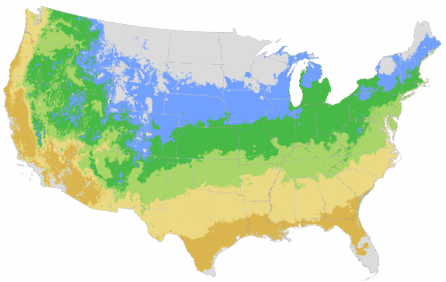
You're growing in this Zip Code:
Change LocationDiscover Plants for Your Area
Provence Lavender
Lavandula x intermedia 'Provence'
Pronunciation: la-VAN-dew-la in-ter-MEE-dee-uh
SKU #02813
LIGHT:
Full sun
WATER:
Let soil go almost dry between waterings.
SIZE:
Moderate growing; reaches 2 ft. tall and wide.

Home Delivery Price
?
- Arrives in 3 to 7 days
- Free shipping on orders over $99
- Perfect Start Promise
Select Quantity
Retailers Near You
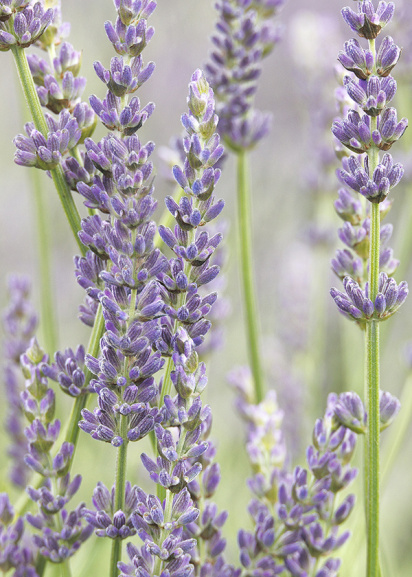
| Description | A highly fragrant evergreen shrub with gray-green foliage and abundant purple flower spikes. A wonderful addition to dry, sunny borders and gardens. Useful as hedge or edging in herb gardens. Highly effective in mass plantings. Flowers may be dried and crushed to use in sachets. |
|---|---|
| Bloom Time | Summer |
| Deciduous/Evergreen | Evergreen |
| Special Features | Dramatic Foliage Color, Easy Care, Waterwise, Attracts Pollinators, Compact Form |
| Problems/Solutions | Deer Resistant, Rabbit Resistant |
| Growth Rate | Moderate |
| Flower Attributes | Flowers for Cutting, Fragrant, Showy Flowers |
| Landscape Use | Border, Container |
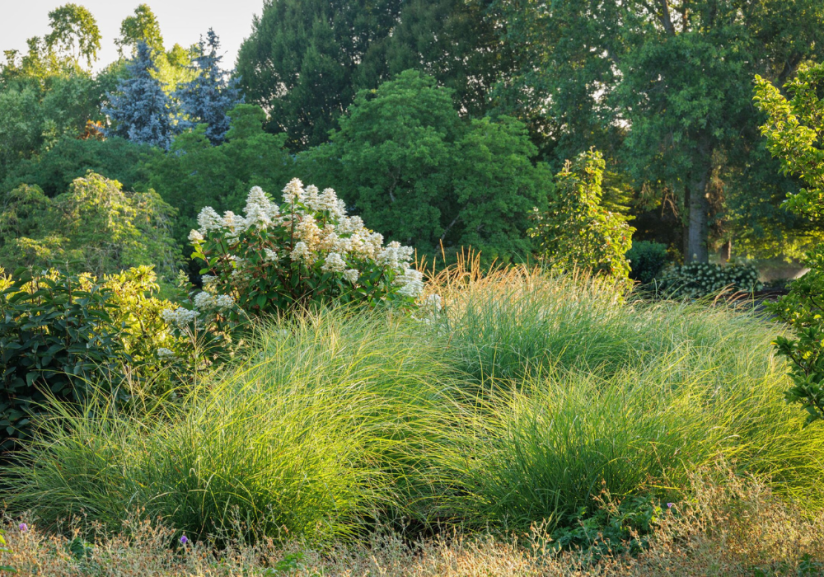
| Design Ideas | A superior plant for hot, dry slopes and banks. Rugged enough for rock gardens in warm climates where it is likely to naturalize. Exceptional component of Mediterranean style gardens both formal and casual. With similar requirements as western natives, it is suitable for xeriscape or wild gardens in dry climates. Suited to traditional mixed borders with perennials and flowering shrubs. Performs in large artistic pots and particularly beautiful in classical style with antique finish. An indispensable component of herb gardens. |
| Flower Color | Purple |
| Foliage Color | Gray-green |
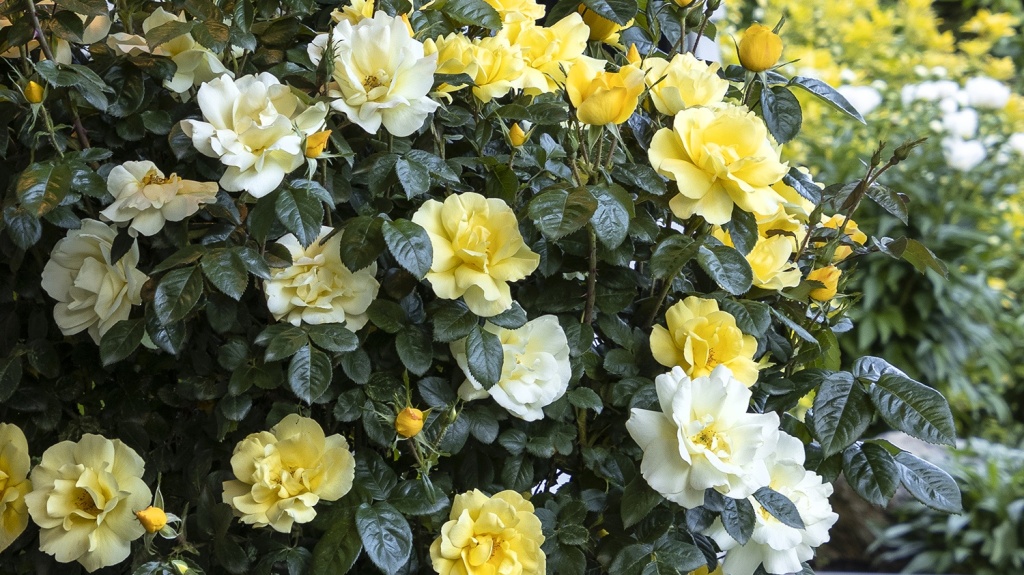
| Companion Plants | Black-Eyed Susan (Rudbeckia); Coneflower (Echinacea); Shasta Daisy (Chrysanthemum); Rose (Rosa); Rosemary (Rosmarinus) |
| Care Instructions | Thrives in lean, loose, fast-draining, slightly alkaline soil; avoid heavy, soggy soils. Plant with crowns slightly above soil level, with minimum spacing of 3 ft. Water regularly in first growing season to establish root system. Once established, reduce frequency; tolerates periodic drought. Remove spent flowers to promote continued bloom. |
| Lore | Since the ancient Phoenicians and Egyptians who first utilized its oils, lavender has been central to medicine and hygiene of many cultures. The lavenders have been grown in Europe for centuries dating back to the Romans. It is from the Latin verb lavo that the genus was named, for this plant was commonly used in the famous Roman baths. It has remained in soaps and cosmetics ever since. Despite the name Provence, which often leads to people calling this a French lavender, Provence is actually a hybrid of English lavender, which are sometimes called Lavandin. True French lavender is Lavandula dentata. |
Details
| Description | A highly fragrant evergreen shrub with gray-green foliage and abundant purple flower spikes. A wonderful addition to dry, sunny borders and gardens. Useful as hedge or edging in herb gardens. Highly effective in mass plantings. Flowers may be dried and crushed to use in sachets. |
|---|---|
| Bloom Time | Summer |
| Deciduous/Evergreen | Evergreen |
| Special Features | Dramatic Foliage Color, Easy Care, Waterwise, Attracts Pollinators, Compact Form |
| Problems/Solutions | Deer Resistant, Rabbit Resistant |
| Growth Rate | Moderate |
| Flower Attributes | Flowers for Cutting, Fragrant, Showy Flowers |
Style
| Landscape Use | Border, Container |
|---|---|
| Design Ideas | A superior plant for hot, dry slopes and banks. Rugged enough for rock gardens in warm climates where it is likely to naturalize. Exceptional component of Mediterranean style gardens both formal and casual. With similar requirements as western natives, it is suitable for xeriscape or wild gardens in dry climates. Suited to traditional mixed borders with perennials and flowering shrubs. Performs in large artistic pots and particularly beautiful in classical style with antique finish. An indispensable component of herb gardens. |
| Flower Color | Purple |
| Foliage Color | Gray-green |
| Companion Plants | Black-Eyed Susan (Rudbeckia); Coneflower (Echinacea); Shasta Daisy (Chrysanthemum); Rose (Rosa); Rosemary (Rosmarinus) |
Care
| Care Instructions | Thrives in lean, loose, fast-draining, slightly alkaline soil; avoid heavy, soggy soils. Plant with crowns slightly above soil level, with minimum spacing of 3 ft. Water regularly in first growing season to establish root system. Once established, reduce frequency; tolerates periodic drought. Remove spent flowers to promote continued bloom. |
|---|
History
| Lore | Since the ancient Phoenicians and Egyptians who first utilized its oils, lavender has been central to medicine and hygiene of many cultures. The lavenders have been grown in Europe for centuries dating back to the Romans. It is from the Latin verb lavo that the genus was named, for this plant was commonly used in the famous Roman baths. It has remained in soaps and cosmetics ever since. Despite the name Provence, which often leads to people calling this a French lavender, Provence is actually a hybrid of English lavender, which are sometimes called Lavandin. True French lavender is Lavandula dentata. |
|---|
Frequently asked questions
Does Provence Lavender produce flowers?
Summer
Is Provence Lavender evergreen or deciduous?
Provence Lavender is Evergreen.
What are the special features of Provence Lavender?
Provence Lavender is Dramatic Foliage Color, Easy Care, Waterwise, Attracts Pollinators, Compact Form.
Is Provence Lavender resistant to pests or animals?
Deer Resistant, Rabbit Resistant
How fast does Provence Lavender grow?
Provence Lavender has a Moderate growth rate.
Where can I use Provence Lavender in my landscape?
Provence Lavender is suitable for: Border, Container.
How can I use Provence Lavender in my garden design?
A superior plant for hot, dry slopes and banks. Rugged enough for rock gardens in warm climates where it is likely to naturalize. Exceptional component of Mediterranean style gardens both formal and casual. With similar requirements as western natives, it is suitable for xeriscape or wild gardens in dry climates. Suited to traditional mixed borders with perennials and flowering shrubs. Performs in large artistic pots and particularly beautiful in classical style with antique finish. An indispensable component of herb gardens.
What color are Provence Lavender flowers?
Provence Lavender produces Purple flowers.
What color is the foliage of Provence Lavender?
Provence Lavender has Gray-green foliage.
What plants grow well with Provence Lavender?
Good companion plants for Provence Lavender include: Black-Eyed Susan (Rudbeckia); Coneflower (Echinacea); Shasta Daisy (Chrysanthemum); Rose (Rosa); Rosemary (Rosmarinus).
How do I care for Provence Lavender?
Thrives in lean, loose, fast-draining, slightly alkaline soil; avoid heavy, soggy soils. Plant with crowns slightly above soil level, with minimum spacing of 3 ft. Water regularly in first growing season to establish root system. Once established, reduce frequency; tolerates periodic drought. Remove spent flowers to promote continued bloom.
Retailers Near You
About Us
We have been pioneers and craftsmen in the art of growing plants for 100 years. Since our founding in Southern California by Harry E. Rosedale, Sr. in 1926, we have been absolutely dedicated and obsessed with quality.
We have been pioneers and craftsmen in the art of growing plants for nearly 100 years. Since our founding in Southern California by Harry E. Rosedale, Sr. in 1926, we have been absolutely dedicated and obsessed with quality.