
You're growing in this Zip Code:
Change LocationDiscover Plants for Your Area
Purple Fountain Grass
Pennisetum advena x setaceum 'Rubrum'
Pronunciation: pen-i-SEE-tum se-TAY-see-um RU-brum
SKU #06427
LIGHT:
Full sun
WATER:
Water when top 2 inches of soil is dry.
SIZE:
Moderate growing; reaches 2 to 4 ft. tall, 2 to 3 ft. wide.

Retailers Near You
Ready to Grow?
Ship Monrovia plants directly to your door. Browse a curated selection available online.
Shop Now >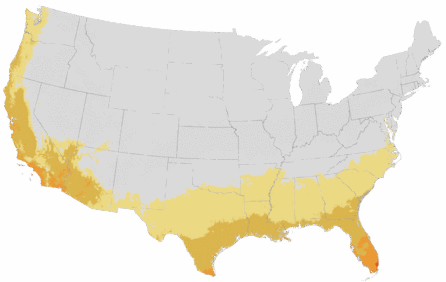

| Description | A popular drought tolerant grass that forms a tidy, dense clump of purplish maroon blades topped with rose-red plumes. Beautiful as a landscape specimen or planted in groups. Unlike the species, this cultivar does not reseed. An herbaceous perennial grass in mild winter regions; provides quick annual color in any climate. |
|---|---|
| Bloom Time | Summer through fall |
| Deciduous/Evergreen | Herbaceous |
| Special Features | Dramatic Foliage Color, Easy Care, Waterwise |
| Problems/Solutions | Deer Resistant, Erosion Control, Drought Tolerant |
| Growth Rate | Moderate |
| Growth Habit | Clumping |
| Landscape Use | Border, Container |
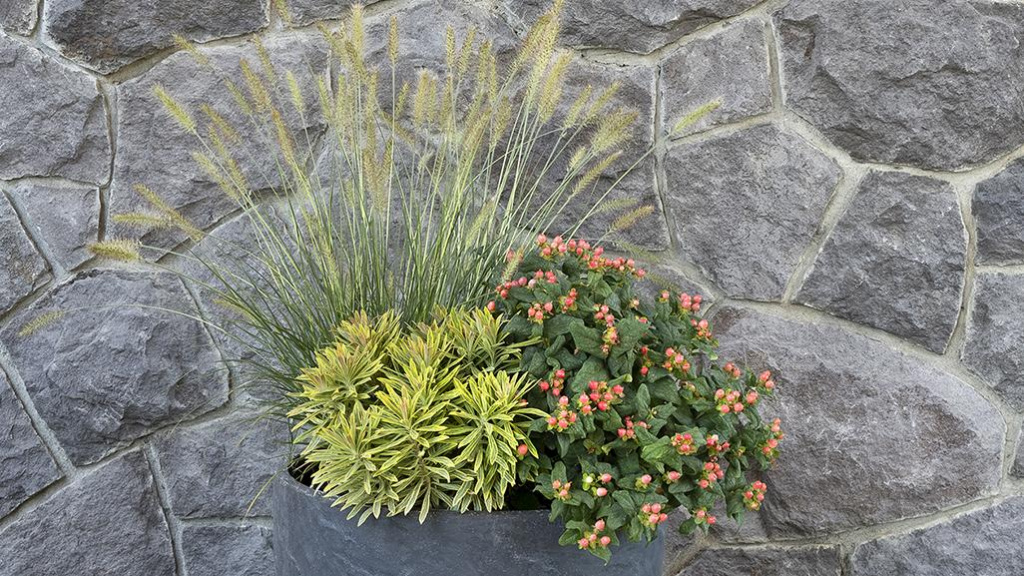
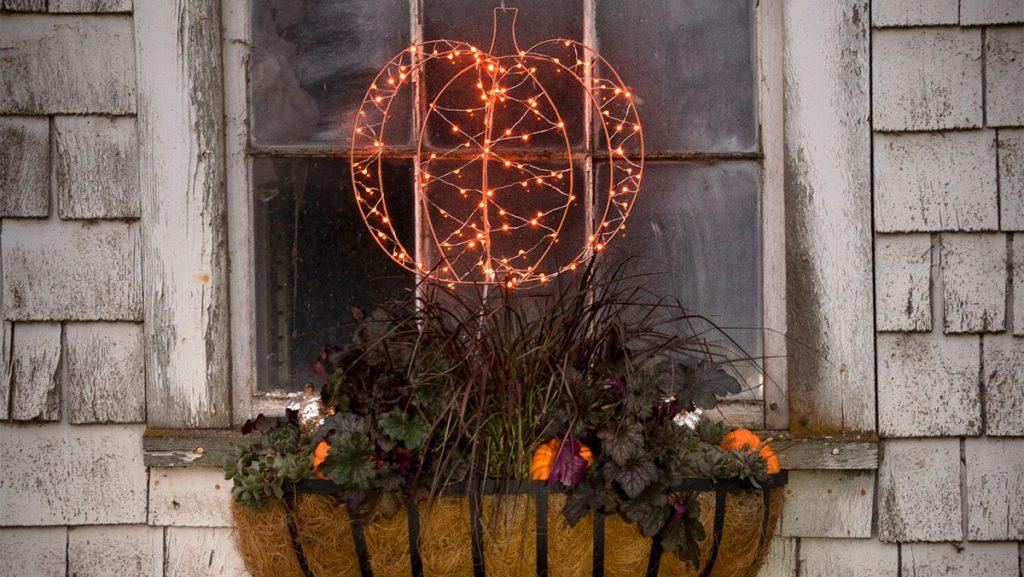
| Design Ideas | This is without a doubt the most gorgeous Fountain Grass. Growing to four feet tall, its bronzed foliage is beautiful throughout the season, not just in autumn. It is indispensable for dry stream beds and a lovely fluffy accent in dry gardens. Provides wildlife habitat around water holes and ponds, and adds its billowy character to homegrown meadows. Makes a great erosion-control plant on slopes, both cut and fill. Equally at home in big Southwestern ceramic pots or classical Italian terra cotta on posts and walls, or ganged around entries, steps and gateways. Try three or four matched potted specimens spaced evenly on steps or line them against a bare, light colored stucco wall. |
| Flower Color | Red |
| Foliage Color | Purple |
| Companion Plants | Black-Eyed Susan (Rudbeckia); Aster (Aster); Potentilla (Potentilla); Coneflower (Echinacea); Salvia (Salvia); Shasta Daisy (Chrysanthemum) |
| Care Instructions | Adaptable to most soil types. Water deeply and regularly during the first growing season to establish an extensive root system. Once established, reduce frequency; tolerates moderate drought. Cut foliage back to 4 inches above the ground just before new shoots appear in late winter to early spring. |
| Lore | While the species Pennisetum setaceum is considered invasive to California, selective plant breeding has resulted in attractive cultivated varieties that are seedless or do not produce viable seed, including Pennisetum setaceum 'Rubrum', 'Fireworks' and 'Skyrocket'. These three cultivars are non-invasive and safe for California gardening efforts. |
Details
| Description | A popular drought tolerant grass that forms a tidy, dense clump of purplish maroon blades topped with rose-red plumes. Beautiful as a landscape specimen or planted in groups. Unlike the species, this cultivar does not reseed. An herbaceous perennial grass in mild winter regions; provides quick annual color in any climate. |
|---|---|
| Bloom Time | Summer through fall |
| Deciduous/Evergreen | Herbaceous |
| Special Features | Dramatic Foliage Color, Easy Care, Waterwise |
| Problems/Solutions | Deer Resistant, Erosion Control, Drought Tolerant |
| Growth Rate | Moderate |
| Growth Habit | Clumping |
Style
| Landscape Use | Border, Container |
|---|---|
| Design Ideas | This is without a doubt the most gorgeous Fountain Grass. Growing to four feet tall, its bronzed foliage is beautiful throughout the season, not just in autumn. It is indispensable for dry stream beds and a lovely fluffy accent in dry gardens. Provides wildlife habitat around water holes and ponds, and adds its billowy character to homegrown meadows. Makes a great erosion-control plant on slopes, both cut and fill. Equally at home in big Southwestern ceramic pots or classical Italian terra cotta on posts and walls, or ganged around entries, steps and gateways. Try three or four matched potted specimens spaced evenly on steps or line them against a bare, light colored stucco wall. |
| Flower Color | Red |
| Foliage Color | Purple |
| Companion Plants | Black-Eyed Susan (Rudbeckia); Aster (Aster); Potentilla (Potentilla); Coneflower (Echinacea); Salvia (Salvia); Shasta Daisy (Chrysanthemum) |
Care
| Care Instructions | Adaptable to most soil types. Water deeply and regularly during the first growing season to establish an extensive root system. Once established, reduce frequency; tolerates moderate drought. Cut foliage back to 4 inches above the ground just before new shoots appear in late winter to early spring. |
|---|
History
| Lore | While the species Pennisetum setaceum is considered invasive to California, selective plant breeding has resulted in attractive cultivated varieties that are seedless or do not produce viable seed, including Pennisetum setaceum 'Rubrum', 'Fireworks' and 'Skyrocket'. These three cultivars are non-invasive and safe for California gardening efforts. |
|---|
Frequently asked questions
Does Purple Fountain Grass produce flowers?
Summer through fall
Is Purple Fountain Grass evergreen or deciduous?
Purple Fountain Grass is Herbaceous.
What are the special features of Purple Fountain Grass?
Purple Fountain Grass is Dramatic Foliage Color, Easy Care, Waterwise.
Is Purple Fountain Grass resistant to pests or animals?
Deer Resistant, Erosion Control, Drought Tolerant
How fast does Purple Fountain Grass grow?
Purple Fountain Grass has a Moderate growth rate.
What is the growth habit of Purple Fountain Grass?
Purple Fountain Grass grows in an Clumping habit.
Where can I use Purple Fountain Grass in my landscape?
Purple Fountain Grass is suitable for: Border, Container.
How can I use Purple Fountain Grass in my garden design?
This is without a doubt the most gorgeous Fountain Grass. Growing to four feet tall, its bronzed foliage is beautiful throughout the season, not just in autumn. It is indispensable for dry stream beds and a lovely fluffy accent in dry gardens. Provides wildlife habitat around water holes and ponds, and adds its billowy character to homegrown meadows. Makes a great erosion-control plant on slopes, both cut and fill. Equally at home in big Southwestern ceramic pots or classical Italian terra cotta on posts and walls, or ganged around entries, steps and gateways. Try three or four matched potted specimens spaced evenly on steps or line them against a bare, light colored stucco wall.
What color are Purple Fountain Grass flowers?
Purple Fountain Grass produces Red flowers.
What color is the foliage of Purple Fountain Grass?
Purple Fountain Grass has Purple foliage.
What plants grow well with Purple Fountain Grass?
Good companion plants for Purple Fountain Grass include: Black-Eyed Susan (Rudbeckia); Aster (Aster); Potentilla (Potentilla); Coneflower (Echinacea); Salvia (Salvia); Shasta Daisy (Chrysanthemum).
How do I care for Purple Fountain Grass?
Adaptable to most soil types. Water deeply and regularly during the first growing season to establish an extensive root system. Once established, reduce frequency; tolerates moderate drought. Cut foliage back to 4 inches above the ground just before new shoots appear in late winter to early spring.
Retailers Near You
About Us
We have been pioneers and craftsmen in the art of growing plants for 100 years. Since our founding in Southern California by Harry E. Rosedale, Sr. in 1926, we have been absolutely dedicated and obsessed with quality.
We have been pioneers and craftsmen in the art of growing plants for nearly 100 years. Since our founding in Southern California by Harry E. Rosedale, Sr. in 1926, we have been absolutely dedicated and obsessed with quality.