
You're growing in this Zip Code:
Discover Plants for Your Area


Pyramidal European Hornbeam
Carpinus betulus 'Fastigiata'
Pronunciation: kar-PY-nus BET-ew-lus fas-tih-jee-AY-tuh
SKU #02277
LIGHT:
Full sun
WATER:
Water when top 3 inches of soil is dry.
SIZE:
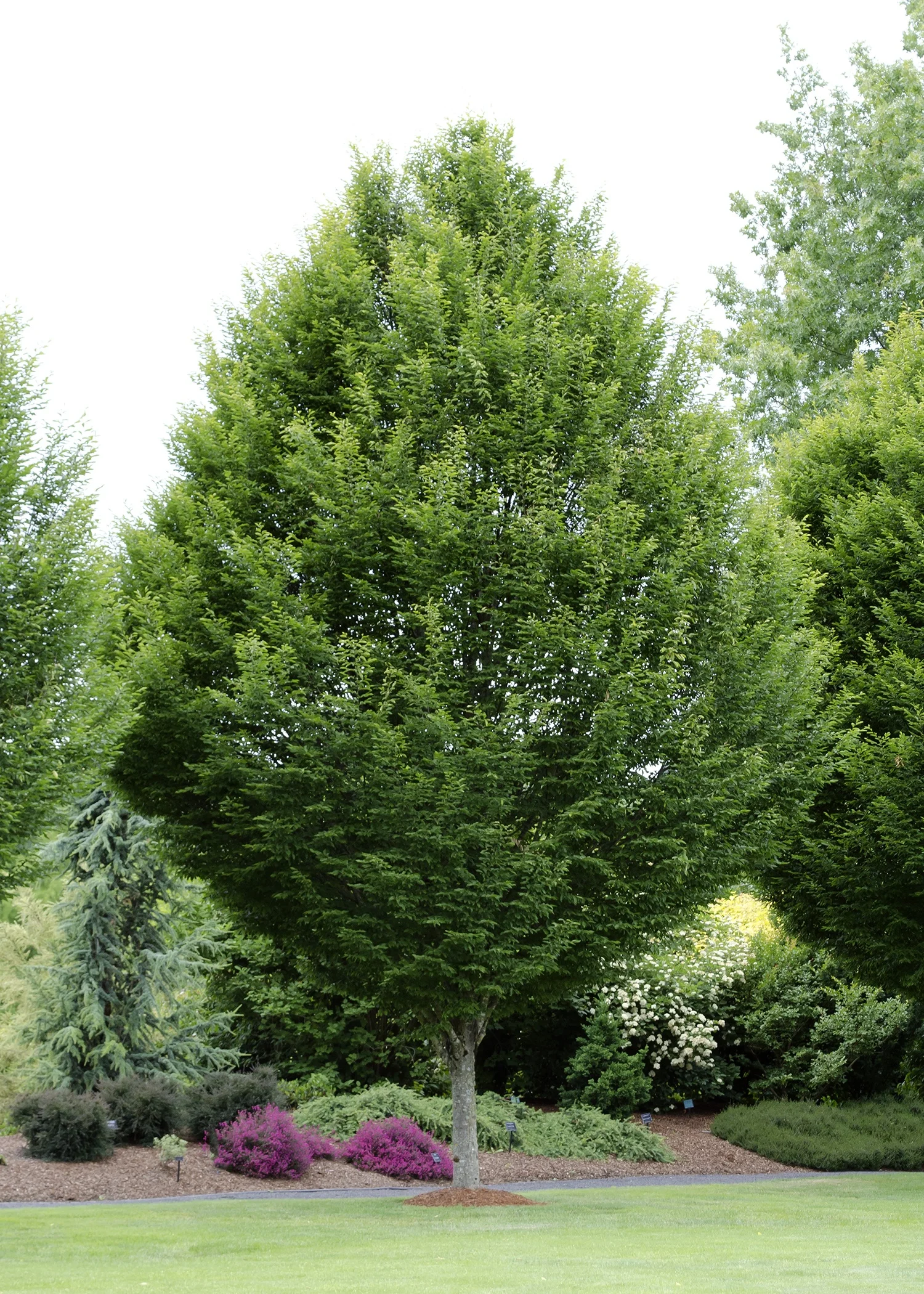
Moderate growing; reaches 35 to 45 ft. tall, 25 to 35 ft. wide.

Retailers Near You
Ready to Grow?
Ship Monrovia plants directly to your door. Browse a curated selection available online.
Shop Now >This Plant's Growing Zones: 4-8
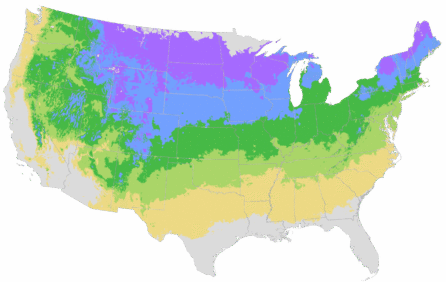
Your USDA Cold Hardiness Zone: 5
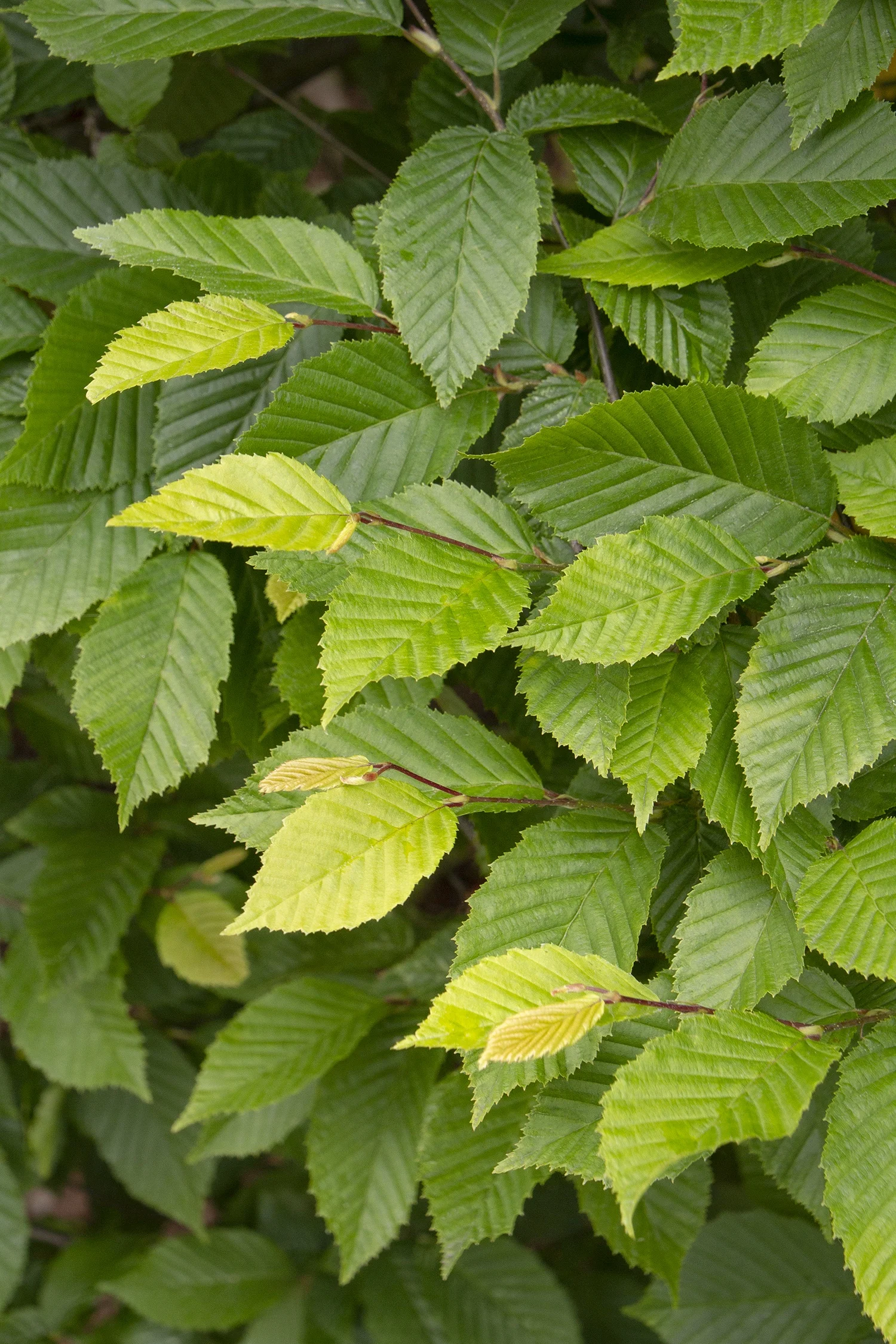
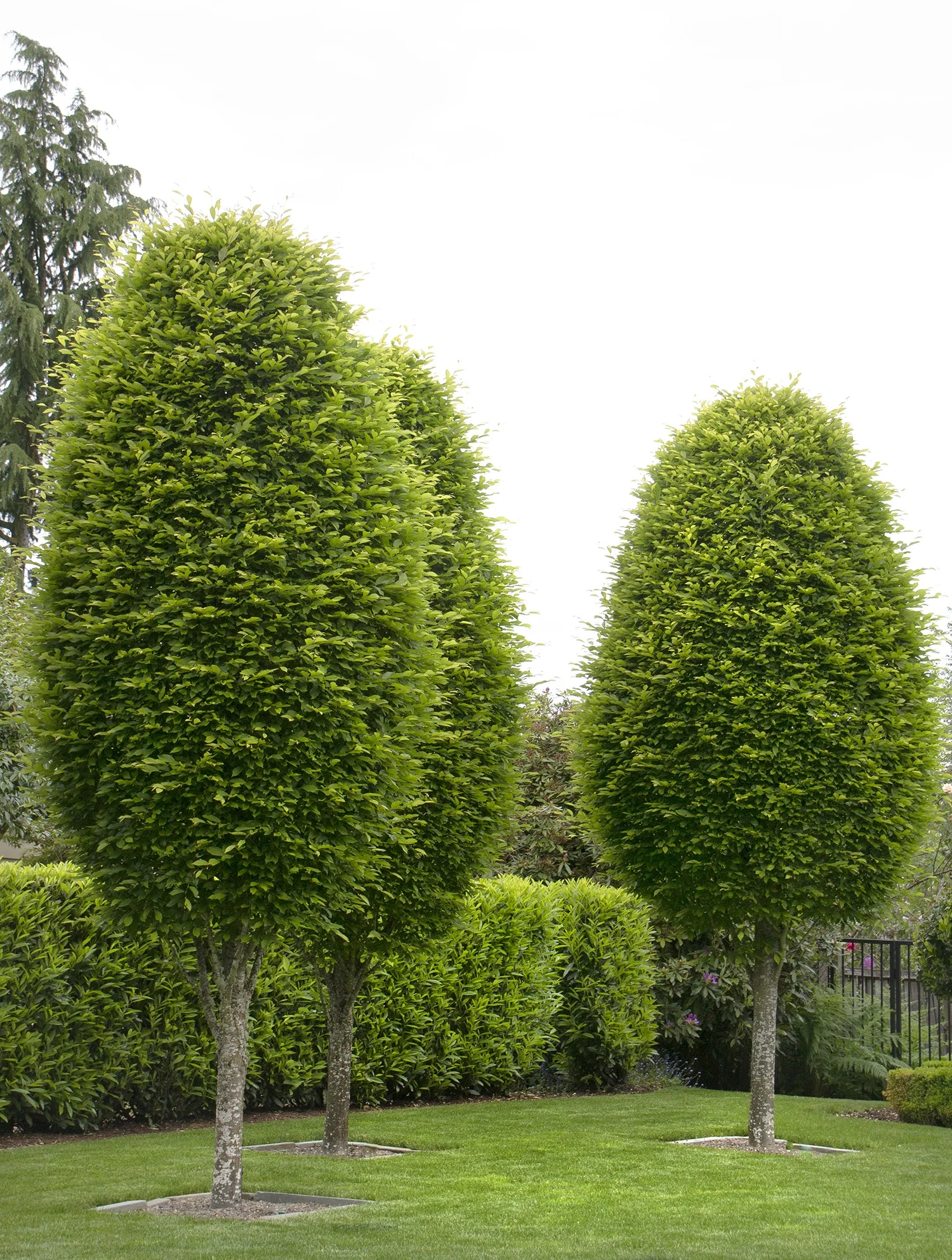
| Description | An attractive, densely branched, columnar tree when young, aging into a stately, broad cone shape with handsome, fluted, gray bark. Distinctive, dark green foliage turns yellow-orange in fall. Plant in groups as a screen or windbreak, or use as a specimen in a narrow yard or street side. Takes well to hard pruning as a formal hedge. Deciduous. |
|---|---|
| Bloom Time | Inconspicuous; prized for foliage. |
| Deciduous/Evergreen | Deciduous |
| Special Features | Easy Care, Fall Color |
| Problems/Solutions | Tolerates Urban Pollution |
| Growth Rate | Moderate |
| Growth Habit | Pyramidal |
| Landscape Use | Espalier, Hedge, Privacy Screen, Windbreak, Shade Tree |
| Design Ideas | Well-proven tree for boulevards, parks and institutional landscapes. Nice shade tree for narrow suburban yards and for visually dividing closely placed multistory homes. The favorite form for allees and pleached effects in the European style. In a windrow, hornbeam makes a fine large scale visual screen or windbreak. |
| Flower Color | Yellow |
| Foliage Color | Dark Green |
| Foliage Fall Color | Orange |
| Companion Plants | Pine (Pinus); Red Maple (Acer Rubrum); Maidenhair (Ginkgo); Spruce (Picea); Harry Lauder's Walking Stick (Corylus avellana 'Contorta'); Purple European Beech (Fagus) |
| Care Instructions | Provide deep, well-drained soil. Water deeply, regularly during the first few growing seasons to establish an extensive root system; once established, reduce frequency. Apply a general purpose fertilizer in early spring. Minimal pruning required in natural form; as a hedge, prune in winter while dormant. |
| History | The European hornbeam is native to Europe eastward to central Asia. It has been in cultivation for so long there is no date of introduction. It was introduced into North America during colonial times. This fastigiate form was introduced in 1883. |
| Lore | Hornbeam is a favorite tree for the art of pleaching, which is a form of topiary on a monstrous scale. This species withstands frequent shearing and is often planted into allees in Britain. |
Details
| Description | An attractive, densely branched, columnar tree when young, aging into a stately, broad cone shape with handsome, fluted, gray bark. Distinctive, dark green foliage turns yellow-orange in fall. Plant in groups as a screen or windbreak, or use as a specimen in a narrow yard or street side. Takes well to hard pruning as a formal hedge. Deciduous. |
|---|---|
| Bloom Time | Inconspicuous; prized for foliage. |
| Deciduous/Evergreen | Deciduous |
| Special Features | Easy Care, Fall Color |
| Problems/Solutions | Tolerates Urban Pollution |
| Growth Rate | Moderate |
| Growth Habit | Pyramidal |
Style
| Landscape Use | Espalier, Hedge, Privacy Screen, Windbreak, Shade Tree |
|---|---|
| Design Ideas | Well-proven tree for boulevards, parks and institutional landscapes. Nice shade tree for narrow suburban yards and for visually dividing closely placed multistory homes. The favorite form for allees and pleached effects in the European style. In a windrow, hornbeam makes a fine large scale visual screen or windbreak. |
| Flower Color | Yellow |
| Foliage Color | Dark Green |
| Foliage Fall Color | Orange |
| Companion Plants | Pine (Pinus); Red Maple (Acer Rubrum); Maidenhair (Ginkgo); Spruce (Picea); Harry Lauder's Walking Stick (Corylus avellana 'Contorta'); Purple European Beech (Fagus) |
Care
| Care Instructions | Provide deep, well-drained soil. Water deeply, regularly during the first few growing seasons to establish an extensive root system; once established, reduce frequency. Apply a general purpose fertilizer in early spring. Minimal pruning required in natural form; as a hedge, prune in winter while dormant. |
|---|
History
| History | The European hornbeam is native to Europe eastward to central Asia. It has been in cultivation for so long there is no date of introduction. It was introduced into North America during colonial times. This fastigiate form was introduced in 1883. |
|---|---|
| Lore | Hornbeam is a favorite tree for the art of pleaching, which is a form of topiary on a monstrous scale. This species withstands frequent shearing and is often planted into allees in Britain. |
Retailers Near You
About Us
We have been pioneers and craftsmen in the art of growing plants for 100 years. Since our founding in Southern California by Harry E. Rosedale, Sr. in 1926, we have been absolutely dedicated and obsessed with quality.
We have been pioneers and craftsmen in the art of growing plants for nearly 100 years. Since our founding in Southern California by Harry E. Rosedale, Sr. in 1926, we have been absolutely dedicated and obsessed with quality.