
You're growing in this Zip Code:
Discover Plants for Your Area

River's Purple European Beech
Fagus sylvatica 'Riversii'
Pronunciation: FA-gus sil-VAT-i-ka ri-VERZ-ee-ee
SKU #03579
LIGHT:
Full sun
WATER:
Water when top 3 inches of soil is dry.
SIZE:
Slow growing; reaches 40 to 50 ft. tall, 20 to 30 ft. wide.

Retailers Near You
Ready to Grow?
Ship Monrovia plants directly to your door. Browse a curated selection available online.
Shop Now >This Plant's Growing Zones: 4-7
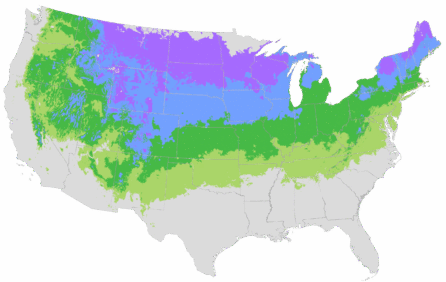
Your USDA Cold Hardiness Zone:
| Description | The deepest purple foliage of any purple-leafed beech with richly colored foliage that retains its dark purple color throughout the summer months. A special selection from England. A magnificent specimen tree for larger landscapes. Not recommended for hot, dry areas. Deciduous. |
|---|---|
| Bloom Time | Inconspicuous; prized for foliage. |
| Deciduous/Evergreen | Deciduous |
| Special Features | Dramatic Foliage Color, Fall Color |
| Growth Rate | Slow |
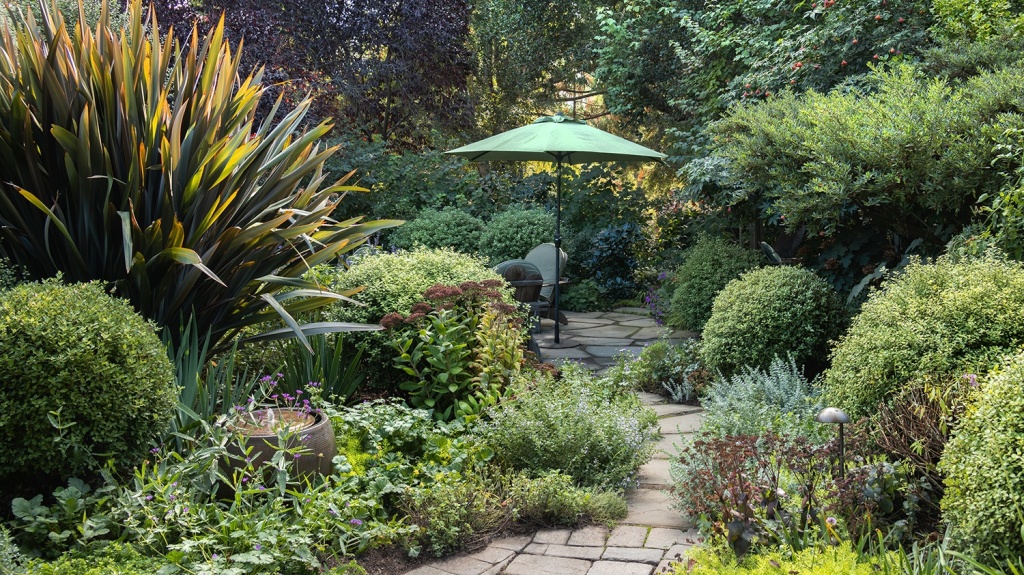
| Design Ideas | Use this big Beech in large landscapes, or as a street or park tree. Stands alone or in a grove, and may be used to accent other groves of green trees. |
| Foliage Color | Purple |
| Foliage Fall Color | Yellow |
| Companion Plants | Red Maple (Acer rubrum); Spruce (Picea); Lilacy (Syringa); European Hornbeam (Carpinus betulus); Northern Red Oak (Quercus rubra) |
| Care Instructions | Highly adaptable to a wide range of soil types, providing it is well-drained. Water deeply, regularly during first few growing seasons to establish an extensive root system; once established, reduce the frequency, continuing with deep waterings. Feed with a general purpose fertilizer before new growth begins in spring. Seldom needs pruning. |
| History | This may be the most famous of all beech varieties in England, developed and introduced there by the nursery of Thomas Rivers around 1860. It was in widespread cultivation both in Europe and America by 1880. It's purple coloring points to ancestry from the copper beech of Europe. The species is a forest tree native to central and Southern Europe. |
| Lore | The species name of F. sylvatica is derived from the Greek for forest-loving. |
Details
| Description | The deepest purple foliage of any purple-leafed beech with richly colored foliage that retains its dark purple color throughout the summer months. A special selection from England. A magnificent specimen tree for larger landscapes. Not recommended for hot, dry areas. Deciduous. |
|---|---|
| Bloom Time | Inconspicuous; prized for foliage. |
| Deciduous/Evergreen | Deciduous |
| Special Features | Dramatic Foliage Color, Fall Color |
| Growth Rate | Slow |
Style
| Design Ideas | Use this big Beech in large landscapes, or as a street or park tree. Stands alone or in a grove, and may be used to accent other groves of green trees. |
|---|---|
| Foliage Color | Purple |
| Foliage Fall Color | Yellow |
| Companion Plants | Red Maple (Acer rubrum); Spruce (Picea); Lilacy (Syringa); European Hornbeam (Carpinus betulus); Northern Red Oak (Quercus rubra) |
Care
| Care Instructions | Highly adaptable to a wide range of soil types, providing it is well-drained. Water deeply, regularly during first few growing seasons to establish an extensive root system; once established, reduce the frequency, continuing with deep waterings. Feed with a general purpose fertilizer before new growth begins in spring. Seldom needs pruning. |
|---|
History
| History | This may be the most famous of all beech varieties in England, developed and introduced there by the nursery of Thomas Rivers around 1860. It was in widespread cultivation both in Europe and America by 1880. It's purple coloring points to ancestry from the copper beech of Europe. The species is a forest tree native to central and Southern Europe. |
|---|---|
| Lore | The species name of F. sylvatica is derived from the Greek for forest-loving. |
Retailers Near You
About Us
We have been pioneers and craftsmen in the art of growing plants for 100 years. Since our founding in Southern California by Harry E. Rosedale, Sr. in 1926, we have been absolutely dedicated and obsessed with quality.
We have been pioneers and craftsmen in the art of growing plants for nearly 100 years. Since our founding in Southern California by Harry E. Rosedale, Sr. in 1926, we have been absolutely dedicated and obsessed with quality.