
You're growing in this Zip Code:
Discover Plants for Your Area
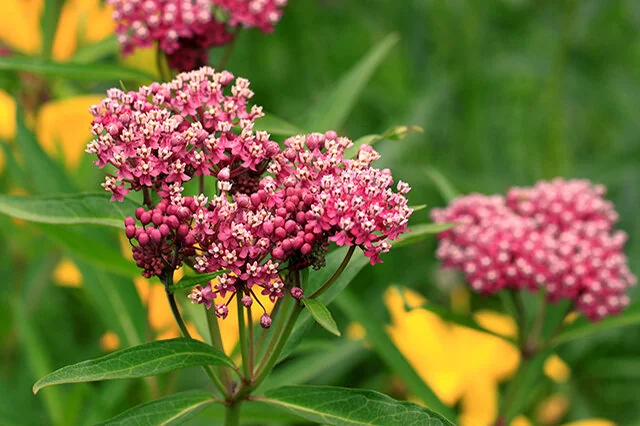
Rose Milkweed
Asclepias incarnata
Pronunciation: as-KLE-pee-us in-kar-NAH-tuh
SKU #42553
LIGHT:
Full sun
WATER:
Keep soil moist, but not soggy.
SIZE:
Quickly reaches 3 to 4 ft. tall, 1 to 3 ft. wide.

Retailers Near You
Ready to Grow?
Ship Monrovia plants directly to your door. Browse a curated selection available online.
Shop Now >This Plant's Growing Zones: 4-9
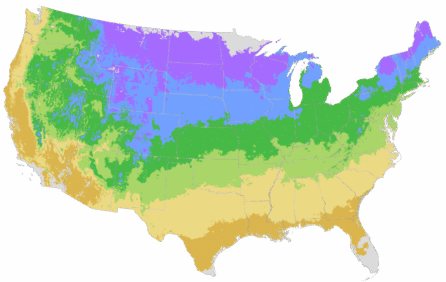
Your USDA Cold Hardiness Zone:
| Description | A must-have for sunny, wildlife-friendly gardens! Showy, rose-pink flowers are sweetly scented, clustered above tall stems with lush leaves, blooming throughout summer. Interesting seed-pods often persist into winter. This North American native tolerates swampy, boggy conditions, and may naturalize in wetland settings. An herbaceous perennial. |
|---|---|
| Bloom Time | Mid to late summer |
| Deciduous/Evergreen | Herbaceous |
| Special Features | Easy Care, North American Native, Attracts Pollinators, Fast Growing |
| Problems/Solutions | Rabbit Resistant, Very Wet Areas |
| Growth Rate | Fast |
| Growth Habit | Upright |
| Flower Attributes | Flowers for Cutting, Fragrant, Showy Flowers |
| Landscape Use | Border, Container |
| Flower Color | Pink |
| Foliage Color | Green |
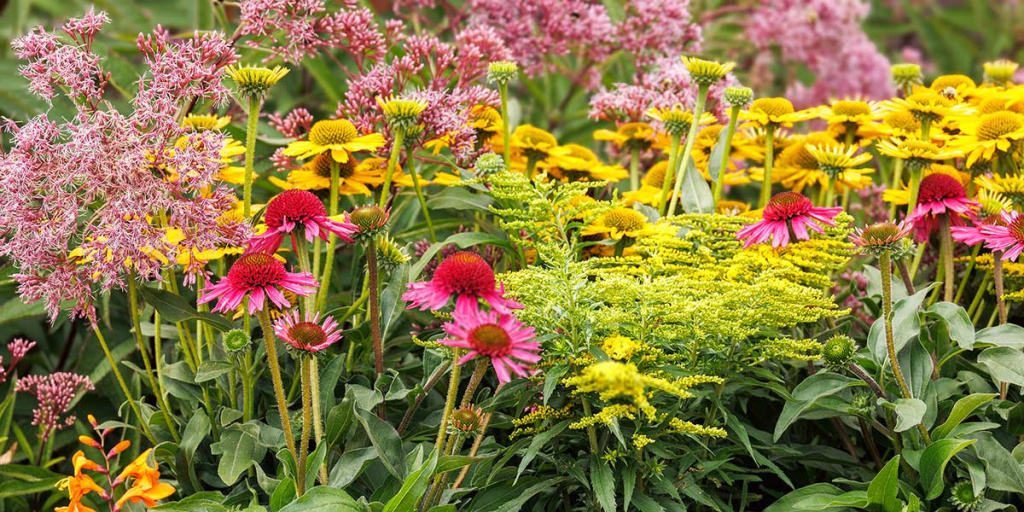
| Companion Plants | Bee Balm (Monarda); Daylily (Hemerocallis); Sedge (Carex); Turtlehead (Chelone); Japanese Iris (Iris ensata) |
| Care Instructions | Thrives in average soils with consistent moisture, even boggy conditions and standing water. Water deeply, regularly during the first growing season to establish an extensive root system. For a tidy appearance, remove old, faded foliage before new leaves emerge. Divide clumps every 2 to 3 years in early spring. |
| Lore | The milkweed family of North American plants is named Asclepias after Asklepios, the famous Greek God of Medicine, since the plants have long been used in herbal medicine. Asclepias incarnata is a favored host plant of monarchs and swallowtails. |
Details
| Description | A must-have for sunny, wildlife-friendly gardens! Showy, rose-pink flowers are sweetly scented, clustered above tall stems with lush leaves, blooming throughout summer. Interesting seed-pods often persist into winter. This North American native tolerates swampy, boggy conditions, and may naturalize in wetland settings. An herbaceous perennial. |
|---|---|
| Bloom Time | Mid to late summer |
| Deciduous/Evergreen | Herbaceous |
| Special Features | Easy Care, North American Native, Attracts Pollinators, Fast Growing |
| Problems/Solutions | Rabbit Resistant, Very Wet Areas |
| Growth Rate | Fast |
| Growth Habit | Upright |
| Flower Attributes | Flowers for Cutting, Fragrant, Showy Flowers |
Style
| Landscape Use | Border, Container |
|---|---|
| Flower Color | Pink |
| Foliage Color | Green |
| Companion Plants | Bee Balm (Monarda); Daylily (Hemerocallis); Sedge (Carex); Turtlehead (Chelone); Japanese Iris (Iris ensata) |
Care
| Care Instructions | Thrives in average soils with consistent moisture, even boggy conditions and standing water. Water deeply, regularly during the first growing season to establish an extensive root system. For a tidy appearance, remove old, faded foliage before new leaves emerge. Divide clumps every 2 to 3 years in early spring. |
|---|
History
| Lore | The milkweed family of North American plants is named Asclepias after Asklepios, the famous Greek God of Medicine, since the plants have long been used in herbal medicine. Asclepias incarnata is a favored host plant of monarchs and swallowtails. |
|---|
Retailers Near You
About Us
We have been pioneers and craftsmen in the art of growing plants for 100 years. Since our founding in Southern California by Harry E. Rosedale, Sr. in 1926, we have been absolutely dedicated and obsessed with quality.
We have been pioneers and craftsmen in the art of growing plants for nearly 100 years. Since our founding in Southern California by Harry E. Rosedale, Sr. in 1926, we have been absolutely dedicated and obsessed with quality.