
You're growing in this Zip Code:
Change LocationDiscover Plants for Your Area
Royal Burgundy® Barberry
Berberis thunbergii 'Gentry'
Pronunciation: BUR-bur-is thun-BER-jee-eye
SKU #01221
LIGHT:
Full sun
WATER:
Water when top 3 inches of soil is dry.
SIZE:
Dense mounding form reaches 2 ft. tall, 3 ft. wide.

Retailers Near You
Ready to Grow?
Ship Monrovia plants directly to your door. Browse a curated selection available online.
Shop Now >
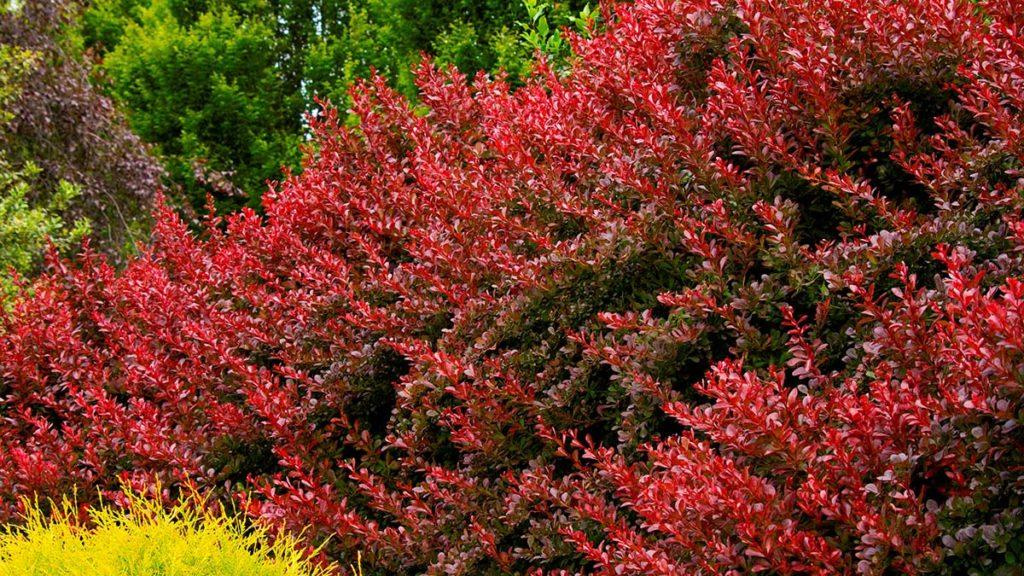
| Description | An improved selection from Crimson Pygmy with richer burgundy foliage color and small velvety leaves that hold their color through summer, changing to a reddish black in the fall. This variety produces little to no viable seed, making it a great alternative over other barberries. Deciduous. |
|---|---|
| Bloom Time | Inconspicuous; prized for foliage. |
| Deciduous/Evergreen | Deciduous |
| Special Features | Dramatic Foliage Color, Easy Care, Ornamental Berries, Compact Form |
| Problems/Solutions | Deer Resistant, Tolerates Urban Pollution, Road Salt Tolerant |
| Growth Rate | Moderate |
| Growth Habit | Rounded |
| Patent Act | Asexual reproduction of plants protected by the Plant Patent Act is prohibited during the life of the patent. |
| Landscape Use | Barrier, Border, Hedge |
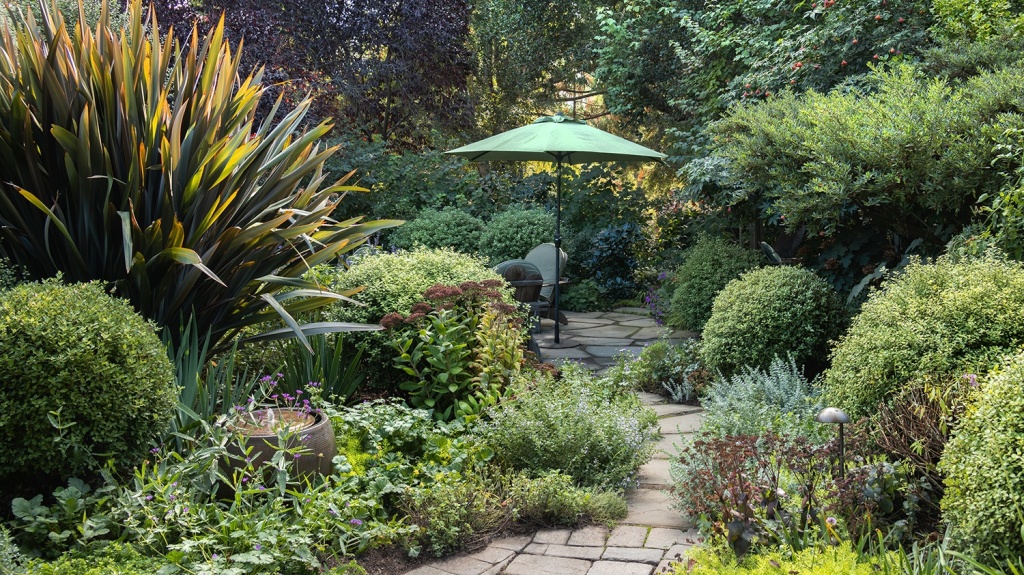
| Design Ideas | A versatile low profile barberry with a dozen uses. Use to flesh out foundation planting with vivid foliage. Add into existing mixed beds and borders. Blends nicely into natural and wild garden settings as habitat plant. Allow to cascade to water's edge at rock waterfalls and garden pools. Perfect for nestling into landscape boulders and softening rock outcroppings. Use in masses for groundcover effect or plant in groups to create drifts of color. In a linear application plants make excellent framework or edging to divide spaces and separate. Even works beautifully in containers in leaf and when bare of all but winter berries. |
| Flower Color | Yellow |
| Foliage Color | Burgundy |
| Foliage Fall Color | Reddish-Black |
| Companion Plants | False Cypress (Chamaecyparis); Weigela (Weigela); Potentilla (Potentilla); Spirea (Spiraea); Boxwood (Buxus) |
| Care Instructions | Thrives in average, well-drained soil; avoid poorly drained, wet sites. Water deeply, regularly during the first growing season to establish an extensive root system; reduce frequency once established. Apply fertilizer before new growth begins in spring. Prune annually in late winter to shape. |
| History | Native to Japan and eastern Asia, Barberries are named for their sharp barbs or thorns on the twigs. The species was named for the first botanist to name the Asian forms, C.P. Thunberg who was in the east in 1784, but the species did not reach the west until a century later. Even then the first purple variety was not recorded until the 20th century by M. Renault of France around the time of World War I. Purple foliage led to vastly increased breeding in England and America. This cultivar was developed by Leo Gentry, Sr. at the Leo Gentry Nursery of Gresham, Oregon and introduced in 1989. |
Details
| Description | An improved selection from Crimson Pygmy with richer burgundy foliage color and small velvety leaves that hold their color through summer, changing to a reddish black in the fall. This variety produces little to no viable seed, making it a great alternative over other barberries. Deciduous. |
|---|---|
| Bloom Time | Inconspicuous; prized for foliage. |
| Deciduous/Evergreen | Deciduous |
| Special Features | Dramatic Foliage Color, Easy Care, Ornamental Berries, Compact Form |
| Problems/Solutions | Deer Resistant, Tolerates Urban Pollution, Road Salt Tolerant |
| Growth Rate | Moderate |
| Growth Habit | Rounded |
| Patent Act | Asexual reproduction of plants protected by the Plant Patent Act is prohibited during the life of the patent. |
Style
| Landscape Use | Barrier, Border, Hedge |
|---|---|
| Design Ideas | A versatile low profile barberry with a dozen uses. Use to flesh out foundation planting with vivid foliage. Add into existing mixed beds and borders. Blends nicely into natural and wild garden settings as habitat plant. Allow to cascade to water's edge at rock waterfalls and garden pools. Perfect for nestling into landscape boulders and softening rock outcroppings. Use in masses for groundcover effect or plant in groups to create drifts of color. In a linear application plants make excellent framework or edging to divide spaces and separate. Even works beautifully in containers in leaf and when bare of all but winter berries. |
| Flower Color | Yellow |
| Foliage Color | Burgundy |
| Foliage Fall Color | Reddish-Black |
| Companion Plants | False Cypress (Chamaecyparis); Weigela (Weigela); Potentilla (Potentilla); Spirea (Spiraea); Boxwood (Buxus) |
Care
| Care Instructions | Thrives in average, well-drained soil; avoid poorly drained, wet sites. Water deeply, regularly during the first growing season to establish an extensive root system; reduce frequency once established. Apply fertilizer before new growth begins in spring. Prune annually in late winter to shape. |
|---|
History
| History | Native to Japan and eastern Asia, Barberries are named for their sharp barbs or thorns on the twigs. The species was named for the first botanist to name the Asian forms, C.P. Thunberg who was in the east in 1784, but the species did not reach the west until a century later. Even then the first purple variety was not recorded until the 20th century by M. Renault of France around the time of World War I. Purple foliage led to vastly increased breeding in England and America. This cultivar was developed by Leo Gentry, Sr. at the Leo Gentry Nursery of Gresham, Oregon and introduced in 1989. |
|---|
Retailers Near You
About Us
We have been pioneers and craftsmen in the art of growing plants for 100 years. Since our founding in Southern California by Harry E. Rosedale, Sr. in 1926, we have been absolutely dedicated and obsessed with quality.
We have been pioneers and craftsmen in the art of growing plants for nearly 100 years. Since our founding in Southern California by Harry E. Rosedale, Sr. in 1926, we have been absolutely dedicated and obsessed with quality.