
You're growing in this Zip Code:
Change LocationDiscover Plants for Your Area
Ruffled Velvet Siberian Iris
Iris sibirica 'Ruffled Velvet'
Pronunciation: EYE-riss si-BIR-i-ka
SKU #04601
LIGHT:
Full sun
WATER:
Keep soil moist to wet.
SIZE:
Forms 2 ft. tall foliage clumps; flower stalks rise above foliage.

Home Delivery Price
?
- Arrives in 3 to 7 days
- Free shipping on orders over $99
- Perfect Start Promise
Select Quantity
Retailers Near You
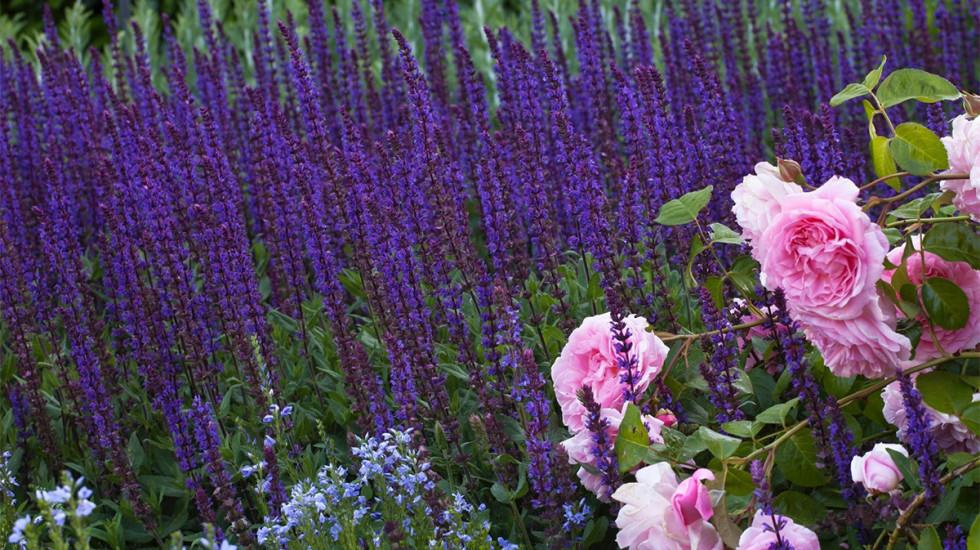
| Description | Beardless Dutch Iris-like, with rich purple blooms that rise above the refined, slender, blue-tinged green, sword-like foliage. Use in mass plantings for a stunning effect. Thrives in moist soils, where others will not. An herbaceous perennial. |
|---|---|
| Bloom Time | Spring |
| Deciduous/Evergreen | Herbaceous |
| Special Features | Easy Care, Fast Growing |
| Problems/Solutions | Deer Resistant, Rabbit Resistant, Very Wet Areas, Black Walnut Tolerant |
| Growth Rate | Moderate |
| Growth Habit | Clumping |
| Flower Attributes | Flowers for Cutting, Showy Flowers |
| Landscape Use | Border, Container |
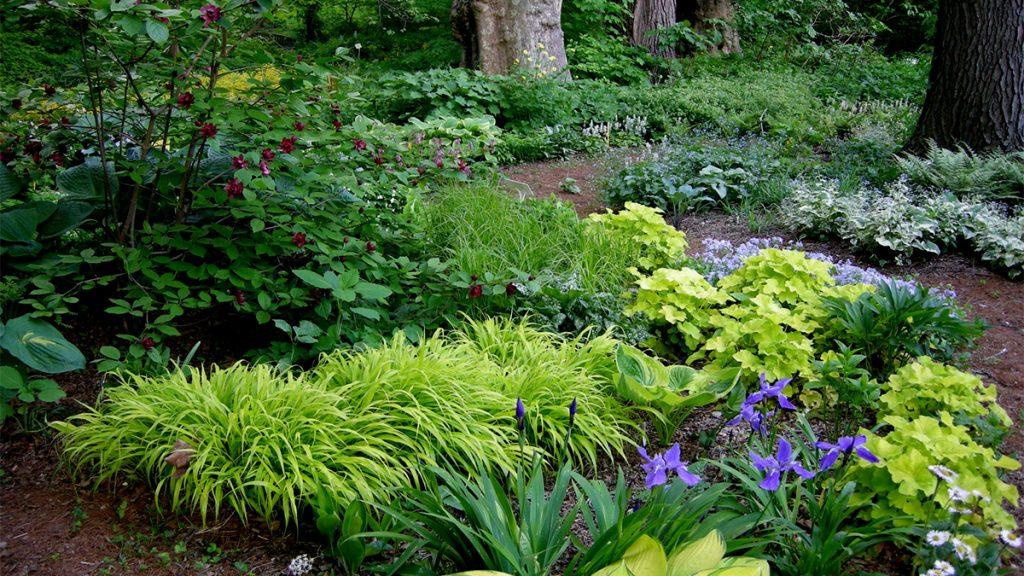
| Design Ideas | This rich purple Siberian Iris will adapt to practically all garden conditions and styles. Plant them as a traditional perennial in flower beds. Use to simulate water in dry streambeds or around landscape boulders. Try as an equivalent to water Iris in damp spots around pools, ponds and water gardens. Even works well in the woodland garden or mixed into wild meadow stands. May also be used as a dramatic reed-like plant in antique ceramic pots and urns. |
| Flower Color | Purple |
| Foliage Color | Green |
| Companion Plants | Daylily (Hemerocallis); Bee Balm (Monarda); Phlox (Phlox); Spiderwort (Tradescantia); Turtlehead (Chelone) |
| Care Instructions | Easy and adaptable; thrives in enriched, neutral to slightly acidic, well-drained soils. Water regularly until well-established. Once established, water regularly from spring through bloom period; reduce frequency after bloom period. Remove faded foliage as new leaves emerge. Divide every 4 to 5 years in fall. |
| History | This iris hails from central and eastern Europe, and throughout Russia including Siberia. Genus Iris was named after the mythical goddess of the rainbow due to the huge range of flower colors. |
| Lore | The iris flower is the inspiration for the French national symbol, the fleur-de-lis. |
Details
| Description | Beardless Dutch Iris-like, with rich purple blooms that rise above the refined, slender, blue-tinged green, sword-like foliage. Use in mass plantings for a stunning effect. Thrives in moist soils, where others will not. An herbaceous perennial. |
|---|---|
| Bloom Time | Spring |
| Deciduous/Evergreen | Herbaceous |
| Special Features | Easy Care, Fast Growing |
| Problems/Solutions | Deer Resistant, Rabbit Resistant, Very Wet Areas, Black Walnut Tolerant |
| Growth Rate | Moderate |
| Growth Habit | Clumping |
| Flower Attributes | Flowers for Cutting, Showy Flowers |
Style
| Landscape Use | Border, Container |
|---|---|
| Design Ideas | This rich purple Siberian Iris will adapt to practically all garden conditions and styles. Plant them as a traditional perennial in flower beds. Use to simulate water in dry streambeds or around landscape boulders. Try as an equivalent to water Iris in damp spots around pools, ponds and water gardens. Even works well in the woodland garden or mixed into wild meadow stands. May also be used as a dramatic reed-like plant in antique ceramic pots and urns. |
| Flower Color | Purple |
| Foliage Color | Green |
| Companion Plants | Daylily (Hemerocallis); Bee Balm (Monarda); Phlox (Phlox); Spiderwort (Tradescantia); Turtlehead (Chelone) |
Care
| Care Instructions | Easy and adaptable; thrives in enriched, neutral to slightly acidic, well-drained soils. Water regularly until well-established. Once established, water regularly from spring through bloom period; reduce frequency after bloom period. Remove faded foliage as new leaves emerge. Divide every 4 to 5 years in fall. |
|---|
History
| History | This iris hails from central and eastern Europe, and throughout Russia including Siberia. Genus Iris was named after the mythical goddess of the rainbow due to the huge range of flower colors. |
|---|---|
| Lore | The iris flower is the inspiration for the French national symbol, the fleur-de-lis. |
Frequently asked questions
Does Ruffled Velvet Siberian Iris produce flowers?
Spring
Is Ruffled Velvet Siberian Iris evergreen or deciduous?
Ruffled Velvet Siberian Iris is Herbaceous.
What are the special features of Ruffled Velvet Siberian Iris?
Ruffled Velvet Siberian Iris is Easy Care, Fast Growing.
Is Ruffled Velvet Siberian Iris resistant to pests or animals?
Deer Resistant, Rabbit Resistant, Very Wet Areas, Black Walnut Tolerant
How fast does Ruffled Velvet Siberian Iris grow?
Ruffled Velvet Siberian Iris has a Moderate growth rate.
What is the growth habit of Ruffled Velvet Siberian Iris?
Ruffled Velvet Siberian Iris grows in an Clumping habit.
Where can I use Ruffled Velvet Siberian Iris in my landscape?
Ruffled Velvet Siberian Iris is suitable for: Border, Container.
How can I use Ruffled Velvet Siberian Iris in my garden design?
This rich purple Siberian Iris will adapt to practically all garden conditions and styles. Plant them as a traditional perennial in flower beds. Use to simulate water in dry streambeds or around landscape boulders. Try as an equivalent to water Iris in damp spots around pools, ponds and water gardens. Even works well in the woodland garden or mixed into wild meadow stands. May also be used as a dramatic reed-like plant in antique ceramic pots and urns.
What color are Ruffled Velvet Siberian Iris flowers?
Ruffled Velvet Siberian Iris produces Purple flowers.
What color is the foliage of Ruffled Velvet Siberian Iris?
Ruffled Velvet Siberian Iris has Green foliage.
What plants grow well with Ruffled Velvet Siberian Iris?
Good companion plants for Ruffled Velvet Siberian Iris include: Daylily (Hemerocallis); Bee Balm (Monarda); Phlox (Phlox); Spiderwort (Tradescantia); Turtlehead (Chelone).
How do I care for Ruffled Velvet Siberian Iris?
Easy and adaptable; thrives in enriched, neutral to slightly acidic, well-drained soils. Water regularly until well-established. Once established, water regularly from spring through bloom period; reduce frequency after bloom period. Remove faded foliage as new leaves emerge. Divide every 4 to 5 years in fall.
What is the history of Ruffled Velvet Siberian Iris?
This iris hails from central and eastern Europe, and throughout Russia including Siberia. Genus Iris was named after the mythical goddess of the rainbow due to the huge range of flower colors.
Retailers Near You
About Us
We have been pioneers and craftsmen in the art of growing plants for 100 years. Since our founding in Southern California by Harry E. Rosedale, Sr. in 1926, we have been absolutely dedicated and obsessed with quality.
We have been pioneers and craftsmen in the art of growing plants for nearly 100 years. Since our founding in Southern California by Harry E. Rosedale, Sr. in 1926, we have been absolutely dedicated and obsessed with quality.