
You're growing in this Zip Code:
Discover Plants for Your Area
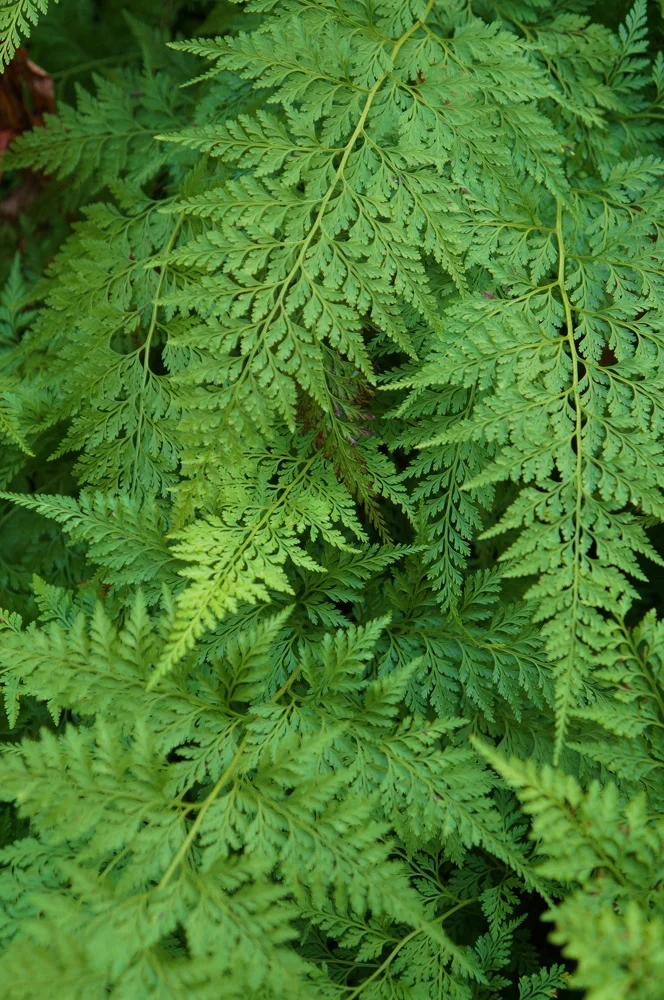
Upside Down Fern
Arachniodes standishii
Pronunciation: a-rak-nee-OH-dees stan-DISH-she-eye
SKU #03282
LIGHT:
Full shade, Partial shade
WATER:
Keep soil evenly moist.
SIZE:
Reaches 18 to 24 in. tall, slowly spreading 12 to 30 in. wide.

Retailers Near You
Ready to Grow?
Ship Monrovia plants directly to your door. Browse a curated selection available online.
Shop Now >This Plant's Growing Zones: 4-8
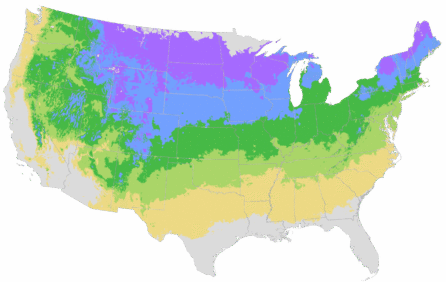
Your USDA Cold Hardiness Zone:
| Description | Arching cut-leaf fronds rise from a thick, slowly creeping rhizome. Unique to ferns in that its soft, lacy fronds have an upside-down appearance. An ideal woodland plant for moist, partly shaded areas. A top fern among collectors, the highly textured foliage combines beautifully with shade-loving shrubs and perennials. Semi-evergreen. |
|---|---|
| Bloom Time | Prized for foliage. |
| Deciduous/Evergreen | Semi-Evergreen |
| Special Features | Easy Care |
| Problems/Solutions | Erosion Control, Rabbit Resistant, Very Wet Areas |
| Growth Rate | Slow |
| Landscape Use | Border, Container, Ground Cover, Hanging Basket |
| Design Ideas | This very attractive fern provides superb feathery texture to the shaded or woodland. For exceptional contrast, plant at the foreground or alongside broad leaved shrubs or perennials with thick foliage such as Hosta or Hellebore. Ideal for a shady spot along a wall or fence, where the lacy foliage provides a lovely silhouette when lit by garden lighting or moonlight. |
| Foliage Color | Green |
| Companion Plants | Coral Bells (Heuchera); Ligularia (Ligularia); Hosta (Hosta); Lungwort (Pulmonaria); Bleeding Heart (Dicentra) |
| Care Instructions | Thrives in organically rich, acidic soils. Avoid harsh sun exposure. Provide shelter in colder northern gardens. Water deeply, regularly in first growing season to establish root system; once established, maintain moist soil. Fertilize periodically throughout growing season. Remove old faded fronds after new growth begins in spring. |
| History | With a natural range including Japan and Korea, this fern is found on moist ground in mountain forests and most common in Cryptomeria forests. Thought to be named for John Standish (1814-1875) a nurseryman of Ascot in Berkshire, England who imported plants from Japan. |
Details
| Description | Arching cut-leaf fronds rise from a thick, slowly creeping rhizome. Unique to ferns in that its soft, lacy fronds have an upside-down appearance. An ideal woodland plant for moist, partly shaded areas. A top fern among collectors, the highly textured foliage combines beautifully with shade-loving shrubs and perennials. Semi-evergreen. |
|---|---|
| Bloom Time | Prized for foliage. |
| Deciduous/Evergreen | Semi-Evergreen |
| Special Features | Easy Care |
| Problems/Solutions | Erosion Control, Rabbit Resistant, Very Wet Areas |
| Growth Rate | Slow |
Style
| Landscape Use | Border, Container, Ground Cover, Hanging Basket |
|---|---|
| Design Ideas | This very attractive fern provides superb feathery texture to the shaded or woodland. For exceptional contrast, plant at the foreground or alongside broad leaved shrubs or perennials with thick foliage such as Hosta or Hellebore. Ideal for a shady spot along a wall or fence, where the lacy foliage provides a lovely silhouette when lit by garden lighting or moonlight. |
| Foliage Color | Green |
| Companion Plants | Coral Bells (Heuchera); Ligularia (Ligularia); Hosta (Hosta); Lungwort (Pulmonaria); Bleeding Heart (Dicentra) |
Care
| Care Instructions | Thrives in organically rich, acidic soils. Avoid harsh sun exposure. Provide shelter in colder northern gardens. Water deeply, regularly in first growing season to establish root system; once established, maintain moist soil. Fertilize periodically throughout growing season. Remove old faded fronds after new growth begins in spring. |
|---|
History
| History | With a natural range including Japan and Korea, this fern is found on moist ground in mountain forests and most common in Cryptomeria forests. Thought to be named for John Standish (1814-1875) a nurseryman of Ascot in Berkshire, England who imported plants from Japan. |
|---|
Retailers Near You
About Us
We have been pioneers and craftsmen in the art of growing plants for 100 years. Since our founding in Southern California by Harry E. Rosedale, Sr. in 1926, we have been absolutely dedicated and obsessed with quality.
We have been pioneers and craftsmen in the art of growing plants for nearly 100 years. Since our founding in Southern California by Harry E. Rosedale, Sr. in 1926, we have been absolutely dedicated and obsessed with quality.