
You're growing in this Zip Code:
Change LocationDiscover Plants for Your Area
Variegated Red Twig Dogwood
Cornus alba 'Elegantissima'
Pronunciation: KOR-nus AL-ba el-e-gan-TIS-i-ma
SKU #02773
LIGHT:
Full sun, Partial sun
WATER:
Keep soil moist.
SIZE:
Moderate growing; reaches 6 to 8 ft. tall, 4 to 6 ft. wide.

Home Delivery Price
?
- Arrives in 3 to 7 days
- Free shipping on orders over $99
- Perfect Start Promise
Select Quantity
Retailers Near You
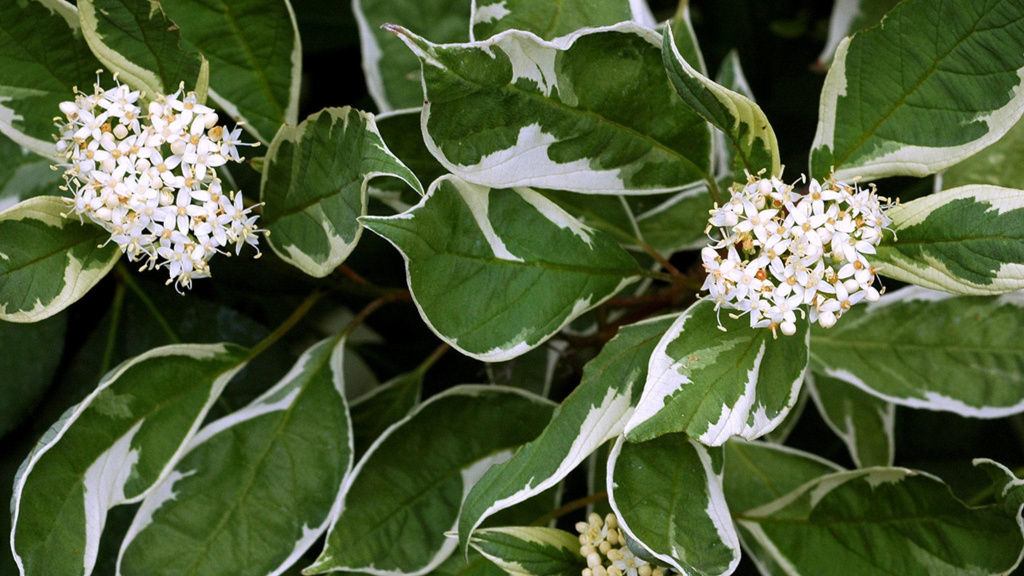
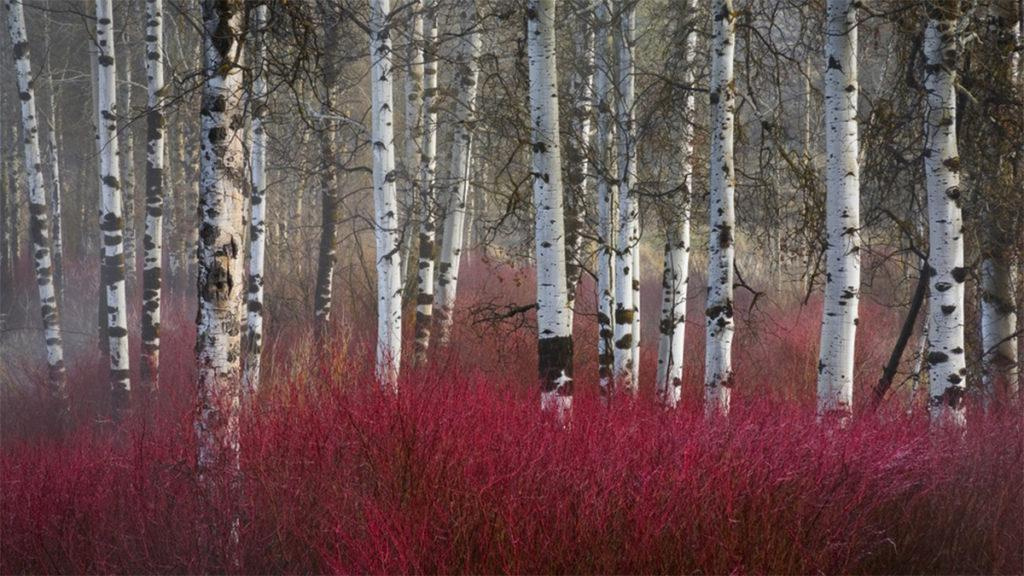
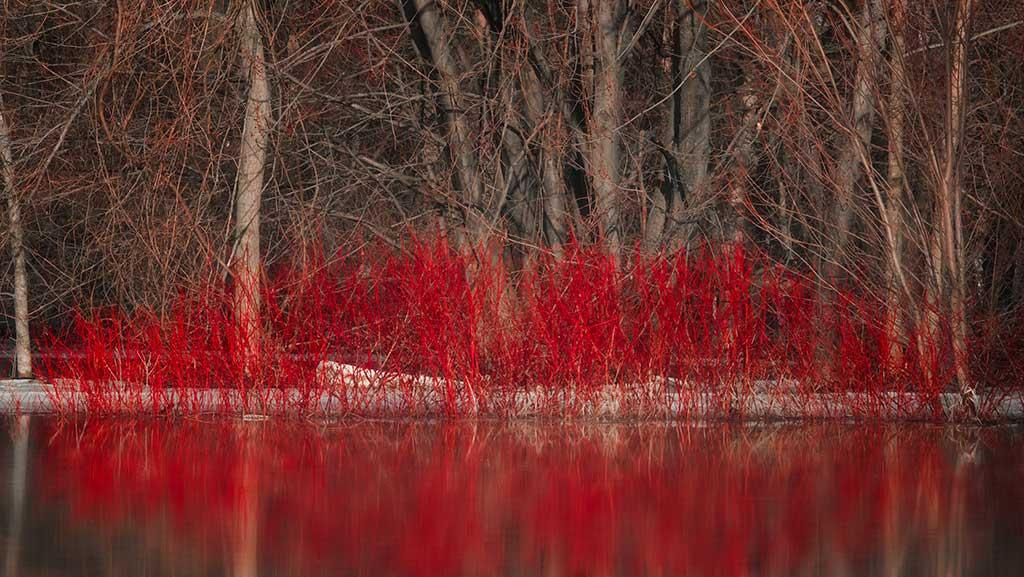
| Description | Variegated leaves, attractive berries, stunning fall color and showy red stems in winter make this a wonderful shrub for all seasons! Vigorous and adaptable, naturally forms a thicket of upright, blood red stems. White berries are often tinged blue or green. Ideal for naturalizing. Best color in full sun. Deciduous. |
|---|---|
| Bloom Time | Late spring to summer |
| Deciduous/Evergreen | Deciduous |
| Special Features | Attractive Bark, Dramatic Foliage Color, Fall Color, Ornamental Berries, Benefits Birds |
| Problems/Solutions | Erosion Control, Rabbit Resistant, Very Wet Areas, Tolerates Urban Pollution |
| Growth Rate | Moderate |
| Growth Habit | Upright |
| Flower Attributes | Fragrant |
| Landscape Use | Border, Hedge, Privacy Screen |
| Design Ideas | Plant among low-growing evergreen shrubs with contrasting colors of lime, yellow and gold to help the blood-red stems of the Dogwood stand out in the winter landscape. Site next to ponds for a colorful reflection or plant in mass as an eye-catching front border to a natural wooded area. Cut down the stem in late winter for a new flush of red growth. |
| Flower Color | White |
| Foliage Color | Variegated |
| Foliage Fall Color | Red |
| Companion Plants | Boxwood (Buxus); Ninebark (Physocarpus); Spirea (Spiraea); Weigela (Weigela); Rose (Rosa) |
| Care Instructions | Prefers enriched, evenly moist, well-drained soils but highly adaptable; tolerates dry conditions and wet soils once established. Water deeply, regularly during first growing season to establish an extensive root system. Fertilize in spring. To encourage bright red stems, hard prune one-third of oldest stems annually in late winter. |
| History | Cornus alba is native to Siberia and Northern China. The word Dogwood comes from dagwood, due to the use of their slender stems to make daggers or skewers. The first tennis racket designs were made from thin strips of the Dogwood bark. The berries are slightly toxic to humans, but are a favorite of many bird species. |
Details
| Description | Variegated leaves, attractive berries, stunning fall color and showy red stems in winter make this a wonderful shrub for all seasons! Vigorous and adaptable, naturally forms a thicket of upright, blood red stems. White berries are often tinged blue or green. Ideal for naturalizing. Best color in full sun. Deciduous. |
|---|---|
| Bloom Time | Late spring to summer |
| Deciduous/Evergreen | Deciduous |
| Special Features | Attractive Bark, Dramatic Foliage Color, Fall Color, Ornamental Berries, Benefits Birds |
| Problems/Solutions | Erosion Control, Rabbit Resistant, Very Wet Areas, Tolerates Urban Pollution |
| Growth Rate | Moderate |
| Growth Habit | Upright |
| Flower Attributes | Fragrant |
Style
| Landscape Use | Border, Hedge, Privacy Screen |
|---|---|
| Design Ideas | Plant among low-growing evergreen shrubs with contrasting colors of lime, yellow and gold to help the blood-red stems of the Dogwood stand out in the winter landscape. Site next to ponds for a colorful reflection or plant in mass as an eye-catching front border to a natural wooded area. Cut down the stem in late winter for a new flush of red growth. |
| Flower Color | White |
| Foliage Color | Variegated |
| Foliage Fall Color | Red |
| Companion Plants | Boxwood (Buxus); Ninebark (Physocarpus); Spirea (Spiraea); Weigela (Weigela); Rose (Rosa) |
Care
| Care Instructions | Prefers enriched, evenly moist, well-drained soils but highly adaptable; tolerates dry conditions and wet soils once established. Water deeply, regularly during first growing season to establish an extensive root system. Fertilize in spring. To encourage bright red stems, hard prune one-third of oldest stems annually in late winter. |
|---|
History
| History | Cornus alba is native to Siberia and Northern China. The word Dogwood comes from dagwood, due to the use of their slender stems to make daggers or skewers. The first tennis racket designs were made from thin strips of the Dogwood bark. The berries are slightly toxic to humans, but are a favorite of many bird species. |
|---|
Frequently asked questions
Does Variegated Red Twig Dogwood produce flowers?
Late spring to summer
Is Variegated Red Twig Dogwood evergreen or deciduous?
Variegated Red Twig Dogwood is Deciduous.
What are the special features of Variegated Red Twig Dogwood?
Variegated Red Twig Dogwood is Attractive Bark, Dramatic Foliage Color, Fall Color, Ornamental Berries, Benefits Birds.
Is Variegated Red Twig Dogwood resistant to pests or animals?
Erosion Control, Rabbit Resistant, Very Wet Areas, Tolerates Urban Pollution
How fast does Variegated Red Twig Dogwood grow?
Variegated Red Twig Dogwood has a Moderate growth rate.
What is the growth habit of Variegated Red Twig Dogwood?
Variegated Red Twig Dogwood grows in an Upright habit.
Where can I use Variegated Red Twig Dogwood in my landscape?
Variegated Red Twig Dogwood is suitable for: Border, Hedge, Privacy Screen.
How can I use Variegated Red Twig Dogwood in my garden design?
Plant among low-growing evergreen shrubs with contrasting colors of lime, yellow and gold to help the blood-red stems of the Dogwood stand out in the winter landscape. Site next to ponds for a colorful reflection or plant in mass as an eye-catching front border to a natural wooded area. Cut down the stem in late winter for a new flush of red growth.
What color are Variegated Red Twig Dogwood flowers?
Variegated Red Twig Dogwood produces White flowers.
What color is the foliage of Variegated Red Twig Dogwood?
Variegated Red Twig Dogwood has Variegated foliage.
What plants grow well with Variegated Red Twig Dogwood?
Good companion plants for Variegated Red Twig Dogwood include: Boxwood (Buxus); Ninebark (Physocarpus); Spirea (Spiraea); Weigela (Weigela); Rose (Rosa).
How do I care for Variegated Red Twig Dogwood?
Prefers enriched, evenly moist, well-drained soils but highly adaptable; tolerates dry conditions and wet soils once established. Water deeply, regularly during first growing season to establish an extensive root system. Fertilize in spring. To encourage bright red stems, hard prune one-third of oldest stems annually in late winter.
What is the history of Variegated Red Twig Dogwood?
Cornus alba is native to Siberia and Northern China. The word Dogwood comes from dagwood, due to the use of their slender stems to make daggers or skewers. The first tennis racket designs were made from thin strips of the Dogwood bark. The berries are slightly toxic to humans, but are a favorite of many bird species.
Retailers Near You
About Us
We have been pioneers and craftsmen in the art of growing plants for 100 years. Since our founding in Southern California by Harry E. Rosedale, Sr. in 1926, we have been absolutely dedicated and obsessed with quality.
We have been pioneers and craftsmen in the art of growing plants for nearly 100 years. Since our founding in Southern California by Harry E. Rosedale, Sr. in 1926, we have been absolutely dedicated and obsessed with quality.