
You're growing in this Zip Code:
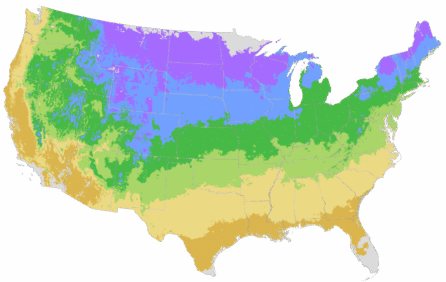
Change LocationDiscover Plants for Your Area
Variegated Sweet Iris
Iris pallida 'Variegata'
Pronunciation: EYE-riss PAL-ih-duh
SKU #04598
LIGHT:
Full sun, Partial sun
WATER:
Keep soil moist to wet.
SIZE:
Moderate growing; forms clumps 2 ft. tall.

Retailers Near You


| Description | Flashy, green and golden-striped foliage to brighten the garden! Light lavender-blue bearded flowers have a soft, sweet fragrance. Excellent near the front of borders where the foliage can be seen close up. Best in full sun, but this species is more shade-tolerant than many other species of iris. An herbaceous perennial. |
|---|---|
| Bloom Time | Spring |
| Deciduous/Evergreen | Herbaceous |
| Special Features | Dramatic Foliage Color, Easy Care |
| Problems/Solutions | Deer Resistant, Erosion Control |
| Growth Rate | Moderate |
| Growth Habit | Clumping |
| Flower Attributes | Flowers for Cutting, Fragrant, Showy Flowers |
| Landscape Use | Border |
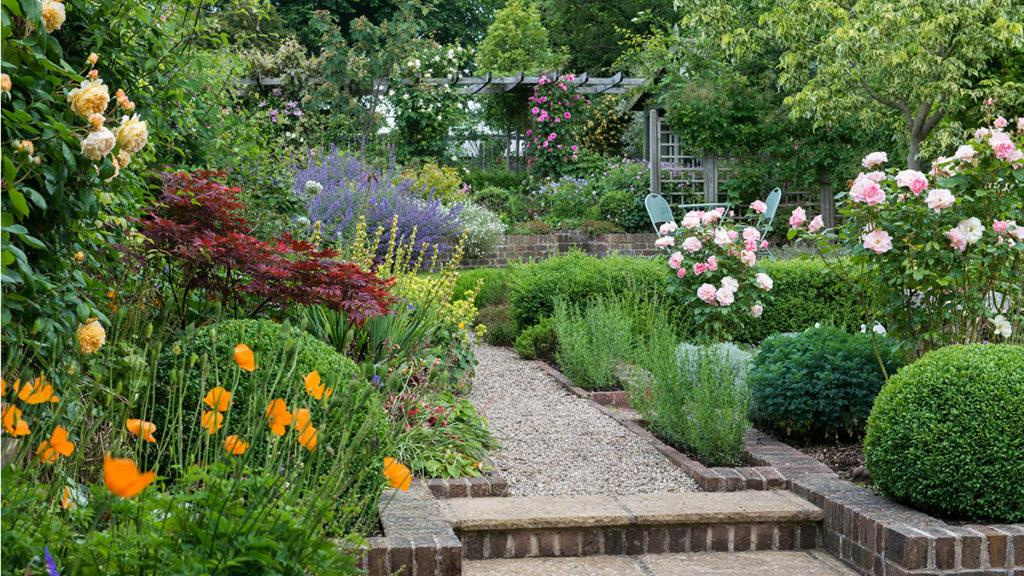
| Design Ideas | These uniquely variegated leaves are a welcome alternative to traditional Iris in the cottage garden. Plant in the perennial border or as a neat edging. Like all Iris, it's a natural in clusters around water of all kinds and stands out in rock gardens. Stunning candidate for very large antique or Asian ceramic pots, and makes good accent foliage combined with solid green-leafed Iris. |
| Flower Color | Blue |
| Foliage Color | Variegated |
| Companion Plants | Coneflower (Echinacea); Turtlehead (Chelone); Daylily (Hemerocallis); Bee Balm (Monarda); Spiderwort (Tradescantia) |
| Care Instructions | Provide humus-rich, evenly moist, well-drained soil. Water regularly during the first growing season to establish the root system. Once established, prefers regular moisture but tolerates mild periodic dry spells. Remove faded foliage as new leaves emerge. Divide clumps every 2 to 3 years in early spring. |
| History | This iris is native to a large range in Southern Europe eastward to Asia. It was classified by Lamarck around the end of the 18th century. Genus iris was conferred by Linnaeus, named for the mythical goddess Iris, herself named from the Greek for rainbow, denoting the vast range of colors in these flowers. Over 150 species exist around the world. Iris pallida is native to Italy and is a parent of the tall bearded iris, which is the source of the sweet fragrance found in modern hybrids. |
| Lore | The iris is the source of the French national symbol, the fleur-de-lis. |
Details
| Description | Flashy, green and golden-striped foliage to brighten the garden! Light lavender-blue bearded flowers have a soft, sweet fragrance. Excellent near the front of borders where the foliage can be seen close up. Best in full sun, but this species is more shade-tolerant than many other species of iris. An herbaceous perennial. |
|---|---|
| Bloom Time | Spring |
| Deciduous/Evergreen | Herbaceous |
| Special Features | Dramatic Foliage Color, Easy Care |
| Problems/Solutions | Deer Resistant, Erosion Control |
| Growth Rate | Moderate |
| Growth Habit | Clumping |
| Flower Attributes | Flowers for Cutting, Fragrant, Showy Flowers |
Style
| Landscape Use | Border |
|---|---|
| Design Ideas | These uniquely variegated leaves are a welcome alternative to traditional Iris in the cottage garden. Plant in the perennial border or as a neat edging. Like all Iris, it's a natural in clusters around water of all kinds and stands out in rock gardens. Stunning candidate for very large antique or Asian ceramic pots, and makes good accent foliage combined with solid green-leafed Iris. |
| Flower Color | Blue |
| Foliage Color | Variegated |
| Companion Plants | Coneflower (Echinacea); Turtlehead (Chelone); Daylily (Hemerocallis); Bee Balm (Monarda); Spiderwort (Tradescantia) |
Care
| Care Instructions | Provide humus-rich, evenly moist, well-drained soil. Water regularly during the first growing season to establish the root system. Once established, prefers regular moisture but tolerates mild periodic dry spells. Remove faded foliage as new leaves emerge. Divide clumps every 2 to 3 years in early spring. |
|---|
History
| History | This iris is native to a large range in Southern Europe eastward to Asia. It was classified by Lamarck around the end of the 18th century. Genus iris was conferred by Linnaeus, named for the mythical goddess Iris, herself named from the Greek for rainbow, denoting the vast range of colors in these flowers. Over 150 species exist around the world. Iris pallida is native to Italy and is a parent of the tall bearded iris, which is the source of the sweet fragrance found in modern hybrids. |
|---|---|
| Lore | The iris is the source of the French national symbol, the fleur-de-lis. |
Retailers Near You
About Us
We have been pioneers and craftsmen in the art of growing plants for 100 years. Since our founding in Southern California by Harry E. Rosedale, Sr. in 1926, we have been absolutely dedicated and obsessed with quality.
We have been pioneers and craftsmen in the art of growing plants for nearly 100 years. Since our founding in Southern California by Harry E. Rosedale, Sr. in 1926, we have been absolutely dedicated and obsessed with quality.