
You're growing in this Zip Code:
Change LocationDiscover Plants for Your Area

Victory Pyracantha
Pyracantha koidzumii 'Victory'
Pronunciation: py-ra-KAN-tha kohd-ZUM-ee-eye
SKU #06900
LIGHT:
Full sun
WATER:
Once established water deeply occasionally.
SIZE:
Quickly reaches 8 to 10 ft. tall, 6 to 8 ft. wide in natural form.

Retailers Near You
Ready to Grow?
Ship Monrovia plants directly to your door. Browse a curated selection available online.
Shop Now >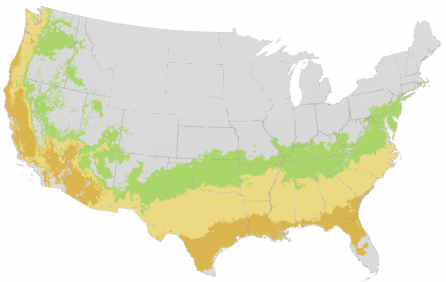

| Description | This bold, upright shrub displays intense red berry clusters late in the season and holds them through winter. An excellent choice for use as a hedge, screen, or windbreak. Thorny stems are excellent to create a barrier planting. Small, white, spring flowers produce attractive berries in the fall. Evergreen. |
|---|---|
| Bloom Time | Spring |
| Deciduous/Evergreen | Evergreen |
| Special Features | Easy Care, Ornamental Berries, Waterwise, Fast Growing, Benefits Birds |
| Problems/Solutions | Deer Resistant, Rabbit Resistant |
| Growth Rate | Fast |
| Growth Habit | Upright |
| Flower Attributes | Showy Flowers |
| Landscape Use | Barrier, Border, Container, Espalier, Hedge, Privacy Screen, Windbreak, Suitable for Topiary |
| Design Ideas | Use this versatile shrub as an espalier against a wall, or leave it free standing to form its own fence. Its dark foliage and bright red berry clusters make a fine addition to the mixed border or wildlife garden . Plant several to form an informal screen or security barrier. |
| Flower Color | White |
| Foliage Color | Dark Green |
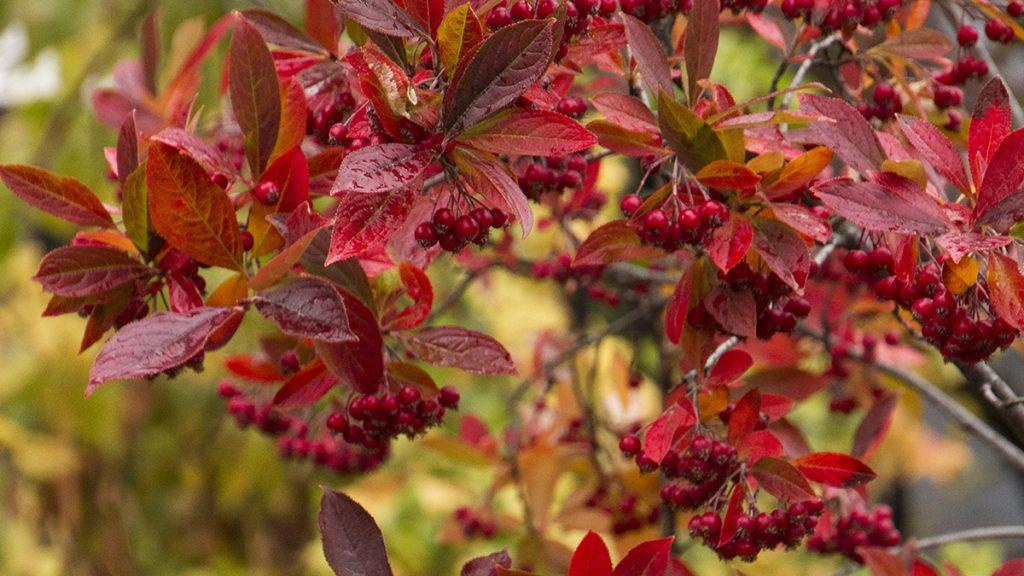
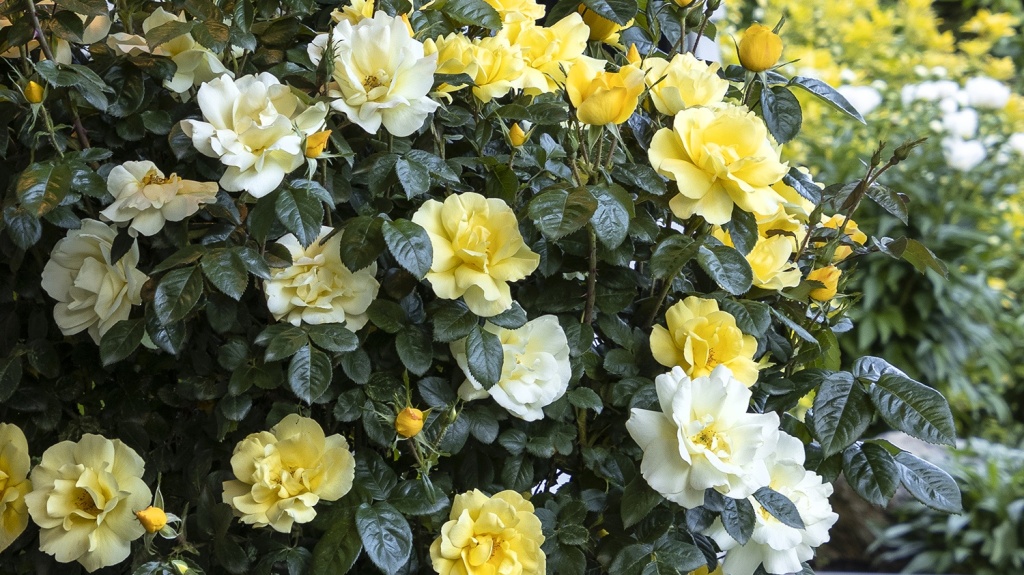
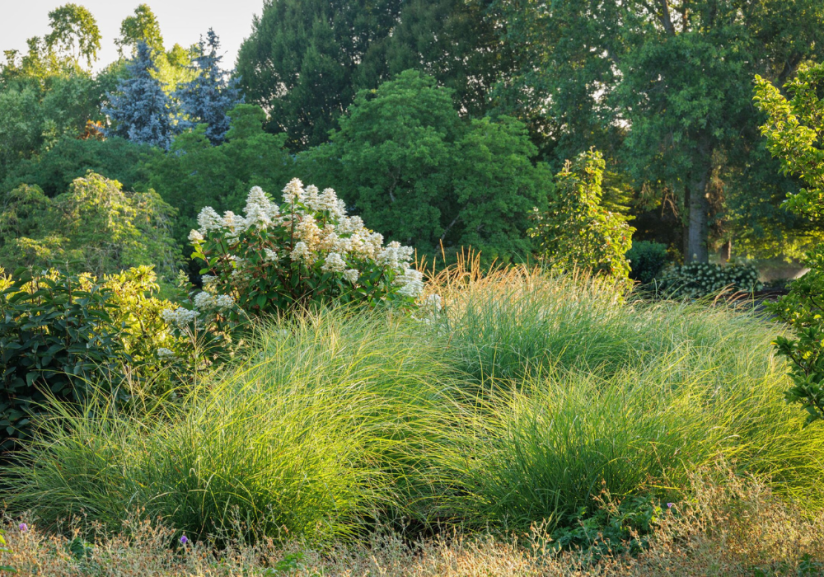
| Companion Plants | Pampas Grass (Cortederia); Weigela (Weigela); Beautyberry (Callicarpa); Ninebark (Physocarpus); Chokeberry (Aronia) |
| Care Instructions | Provide average, well-drained soil. Water deeply, regularly during the first growing season to establish an extensive root system; reduce frequency, once established. Feed with a general purpose fertilizer before new growth begins in spring. For a tidy, neat appearance, prune annually to shape. |
| History | Pyracantha is part of the Rosaceae family and is native to southeastern Europe over to southeastern Asia. P. koidzumii is specific to Taiwan where it is threatened by habitat loss. Victory is a selection of P. koidzumii, and not hybridized from other species. Pyracantha berries are not poisonous. They are extremely bitter to human taste, but are a favorite amongst a variety of birds. |
Details
| Description | This bold, upright shrub displays intense red berry clusters late in the season and holds them through winter. An excellent choice for use as a hedge, screen, or windbreak. Thorny stems are excellent to create a barrier planting. Small, white, spring flowers produce attractive berries in the fall. Evergreen. |
|---|---|
| Bloom Time | Spring |
| Deciduous/Evergreen | Evergreen |
| Special Features | Easy Care, Ornamental Berries, Waterwise, Fast Growing, Benefits Birds |
| Problems/Solutions | Deer Resistant, Rabbit Resistant |
| Growth Rate | Fast |
| Growth Habit | Upright |
| Flower Attributes | Showy Flowers |
Style
| Landscape Use | Barrier, Border, Container, Espalier, Hedge, Privacy Screen, Windbreak, Suitable for Topiary |
|---|---|
| Design Ideas | Use this versatile shrub as an espalier against a wall, or leave it free standing to form its own fence. Its dark foliage and bright red berry clusters make a fine addition to the mixed border or wildlife garden . Plant several to form an informal screen or security barrier. |
| Flower Color | White |
| Foliage Color | Dark Green |
| Companion Plants | Pampas Grass (Cortederia); Weigela (Weigela); Beautyberry (Callicarpa); Ninebark (Physocarpus); Chokeberry (Aronia) |
Care
| Care Instructions | Provide average, well-drained soil. Water deeply, regularly during the first growing season to establish an extensive root system; reduce frequency, once established. Feed with a general purpose fertilizer before new growth begins in spring. For a tidy, neat appearance, prune annually to shape. |
|---|
History
| History | Pyracantha is part of the Rosaceae family and is native to southeastern Europe over to southeastern Asia. P. koidzumii is specific to Taiwan where it is threatened by habitat loss. Victory is a selection of P. koidzumii, and not hybridized from other species. Pyracantha berries are not poisonous. They are extremely bitter to human taste, but are a favorite amongst a variety of birds. |
|---|
Frequently asked questions
Does Victory Pyracantha produce flowers?
Spring
Is Victory Pyracantha evergreen or deciduous?
Victory Pyracantha is Evergreen.
What are the special features of Victory Pyracantha?
Victory Pyracantha is Easy Care, Ornamental Berries, Waterwise, Fast Growing, Benefits Birds.
Is Victory Pyracantha resistant to pests or animals?
Deer Resistant, Rabbit Resistant
How fast does Victory Pyracantha grow?
Victory Pyracantha has a Fast growth rate.
What is the growth habit of Victory Pyracantha?
Victory Pyracantha grows in an Upright habit.
Where can I use Victory Pyracantha in my landscape?
Victory Pyracantha is suitable for: Barrier, Border, Container, Espalier, Hedge, Privacy Screen, Windbreak, Suitable for Topiary.
How can I use Victory Pyracantha in my garden design?
Use this versatile shrub as an espalier against a wall, or leave it free standing to form its own fence. Its dark foliage and bright red berry clusters make a fine addition to the mixed border or wildlife garden . Plant several to form an informal screen or security barrier.
What color are Victory Pyracantha flowers?
Victory Pyracantha produces White flowers.
What color is the foliage of Victory Pyracantha?
Victory Pyracantha has Dark Green foliage.
What plants grow well with Victory Pyracantha?
Good companion plants for Victory Pyracantha include: Pampas Grass (Cortederia); Weigela (Weigela); Beautyberry (Callicarpa); Ninebark (Physocarpus); Chokeberry (Aronia).
How do I care for Victory Pyracantha?
Provide average, well-drained soil. Water deeply, regularly during the first growing season to establish an extensive root system; reduce frequency, once established. Feed with a general purpose fertilizer before new growth begins in spring. For a tidy, neat appearance, prune annually to shape.
What is the history of Victory Pyracantha?
Pyracantha is part of the Rosaceae family and is native to southeastern Europe over to southeastern Asia. P. koidzumii is specific to Taiwan where it is threatened by habitat loss. Victory is a selection of P. koidzumii, and not hybridized from other species. Pyracantha berries are not poisonous. They are extremely bitter to human taste, but are a favorite amongst a variety of birds.
Retailers Near You
About Us
We have been pioneers and craftsmen in the art of growing plants for 100 years. Since our founding in Southern California by Harry E. Rosedale, Sr. in 1926, we have been absolutely dedicated and obsessed with quality.
We have been pioneers and craftsmen in the art of growing plants for nearly 100 years. Since our founding in Southern California by Harry E. Rosedale, Sr. in 1926, we have been absolutely dedicated and obsessed with quality.