
You're growing in this Zip Code:
Change LocationDiscover Plants for Your Area
White Fringe Tree
Chionanthus virginicus
Pronunciation: ki-o-NAN-thus vir-JIN-i-kus
SKU #02418
LIGHT:
Full sun
WATER:
Water when top 2 inches of soil is dry.
SIZE:
Slow growing to 20 to 25 ft. high, 25 ft. wide.

Retailers Near You
Ready to Grow?
Ship Monrovia plants directly to your door. Browse a curated selection available online.
Shop Now >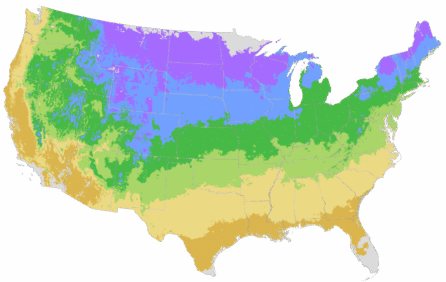

| Description | Prized large shrub or small tree with upright branches forming dome shape. Soft green leaves back magnificent clusters of fringe-like blooms. A terrific accent for the landscape. Deciduous. |
|---|---|
| Bloom Time | Spring |
| Deciduous/Evergreen | Deciduous |
| Special Features | Easy Care, Fall Color, Ornamental Berries, North American Native, Benefits Birds |
| Growth Rate | Slow |
| Growth Habit | Spreading |
| Flower Attributes | Fragrant, Showy Flowers |
| Landscape Use | Border |
| Design Ideas | Fringe tree is a beautiful accent for foundation planting. Particularly beautiful against red brick or dark timber homes. May be used as a background shrub for beds and borders. Add to native and wild gardens for habitat and seasonal interest. A striking accent in any garden setting. |
| Flower Color | White |
| Foliage Color | Green |
| Foliage Fall Color | Yellow |
| Companion Plants | Grow fringe tree with other specatcular southeastern natives such as Yellow Trumpet Vine, (Campsis radicans 'Flava'), Hummingbird Summersweet, (Clethera alnifolia 'Hummingbird'), Glowlight Louisiana Iris, (Iris louisiana 'Glowlight') and Belle Etoile Mock Orange, (Philadelphus x lemoinei 'Belle Etoile'). |
| Care Instructions | Follow a regular watering schedule during the first growing season to establish a deep, extensive root system. Watering may be reduced once established, but avoid prolonged drought. Feed with a general purpose fertilizer before new growth begins in spring. |
| History | Chionanthus is a native shrub found from Virginia south to Florida and west to Texas, inhabiting moist woodlands. |
| Lore | In its home range this shrub is known as Grancy Graybeard due to its unique foliage and flowers. It's classified in the Oleaceae family. |
Details
| Description | Prized large shrub or small tree with upright branches forming dome shape. Soft green leaves back magnificent clusters of fringe-like blooms. A terrific accent for the landscape. Deciduous. |
|---|---|
| Bloom Time | Spring |
| Deciduous/Evergreen | Deciduous |
| Special Features | Easy Care, Fall Color, Ornamental Berries, North American Native, Benefits Birds |
| Growth Rate | Slow |
| Growth Habit | Spreading |
| Flower Attributes | Fragrant, Showy Flowers |
Style
| Landscape Use | Border |
|---|---|
| Design Ideas | Fringe tree is a beautiful accent for foundation planting. Particularly beautiful against red brick or dark timber homes. May be used as a background shrub for beds and borders. Add to native and wild gardens for habitat and seasonal interest. A striking accent in any garden setting. |
| Flower Color | White |
| Foliage Color | Green |
| Foliage Fall Color | Yellow |
| Companion Plants | Grow fringe tree with other specatcular southeastern natives such as Yellow Trumpet Vine, (Campsis radicans 'Flava'), Hummingbird Summersweet, (Clethera alnifolia 'Hummingbird'), Glowlight Louisiana Iris, (Iris louisiana 'Glowlight') and Belle Etoile Mock Orange, (Philadelphus x lemoinei 'Belle Etoile'). |
Care
| Care Instructions | Follow a regular watering schedule during the first growing season to establish a deep, extensive root system. Watering may be reduced once established, but avoid prolonged drought. Feed with a general purpose fertilizer before new growth begins in spring. |
|---|
History
| History | Chionanthus is a native shrub found from Virginia south to Florida and west to Texas, inhabiting moist woodlands. |
|---|---|
| Lore | In its home range this shrub is known as Grancy Graybeard due to its unique foliage and flowers. It's classified in the Oleaceae family. |
Frequently asked questions
Does White Fringe Tree produce flowers?
Spring
Is White Fringe Tree evergreen or deciduous?
White Fringe Tree is Deciduous.
What are the special features of White Fringe Tree?
White Fringe Tree is Easy Care, Fall Color, Ornamental Berries, North American Native, Benefits Birds.
How fast does White Fringe Tree grow?
White Fringe Tree has a Slow growth rate.
What is the growth habit of White Fringe Tree?
White Fringe Tree grows in an Spreading habit.
Where can I use White Fringe Tree in my landscape?
White Fringe Tree is suitable for: Border.
How can I use White Fringe Tree in my garden design?
Fringe tree is a beautiful accent for foundation planting. Particularly beautiful against red brick or dark timber homes. May be used as a background shrub for beds and borders. Add to native and wild gardens for habitat and seasonal interest. A striking accent in any garden setting.
What color are White Fringe Tree flowers?
White Fringe Tree produces White flowers.
What color is the foliage of White Fringe Tree?
White Fringe Tree has Green foliage.
What plants grow well with White Fringe Tree?
Good companion plants for White Fringe Tree include: Grow fringe tree with other specatcular southeastern natives such as Yellow Trumpet Vine, (Campsis radicans 'Flava'), Hummingbird Summersweet, (Clethera alnifolia 'Hummingbird'), Glowlight Louisiana Iris, (Iris louisiana 'Glowlight') and Belle Etoile Mock Orange, (Philadelphus x lemoinei 'Belle Etoile')..
How do I care for White Fringe Tree?
Follow a regular watering schedule during the first growing season to establish a deep, extensive root system. Watering may be reduced once established, but avoid prolonged drought. Feed with a general purpose fertilizer before new growth begins in spring.
What is the history of White Fringe Tree?
Chionanthus is a native shrub found from Virginia south to Florida and west to Texas, inhabiting moist woodlands.
Retailers Near You
About Us
We have been pioneers and craftsmen in the art of growing plants for 100 years. Since our founding in Southern California by Harry E. Rosedale, Sr. in 1926, we have been absolutely dedicated and obsessed with quality.
We have been pioneers and craftsmen in the art of growing plants for nearly 100 years. Since our founding in Southern California by Harry E. Rosedale, Sr. in 1926, we have been absolutely dedicated and obsessed with quality.