
You're growing in this Zip Code:
Change LocationDiscover Plants for Your Area
Winter Gem Boxwood
Buxus microphylla var. japonica 'Winter Gem'
Pronunciation: BUK-sus my-kroh-FIL-uh juh-PON-ih-kuh
SKU #01383
LIGHT:
Full sun, Partial sun
WATER:
Water when top 3 inches of soil is dry.
SIZE:
Reaches 4 to 6 ft. tall and wide.

Home Delivery Price
?
- Arrives in 3 to 7 days
- Free shipping on orders over $99
- Perfect Start Promise
Select Quantity
Retailers Near You
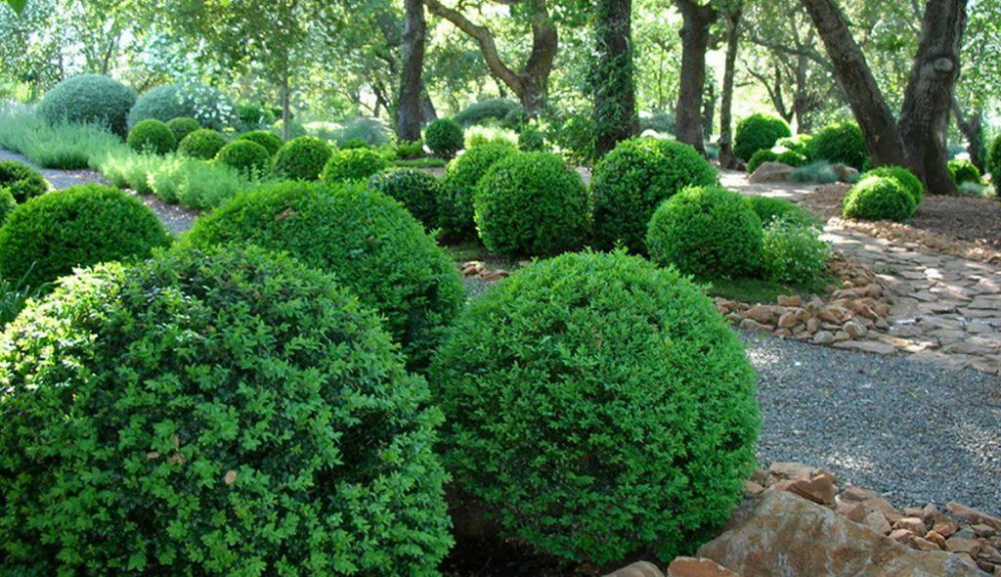
| Description | An excellent evergreen shrub for small hedges. Among the hardiest of the small-leaved boxwoods, the rich green foliage can acquire a golden bronze hue in cold winter zones, but is one of the first to become green again in spring. Makes a wonderful addition to formal gardens, providing year-round interest. |
|---|---|
| Bloom Time | Inconspicuous; prized for foliage. |
| Deciduous/Evergreen | Evergreen |
| Special Features | Easy Care |
| Problems/Solutions | Deer Resistant, Rabbit Resistant |
| Growth Rate | Moderate |
| Growth Habit | Rounded |
| Landscape Use | Border, Container, Hedge, Privacy Screen, Suitable for Topiary |
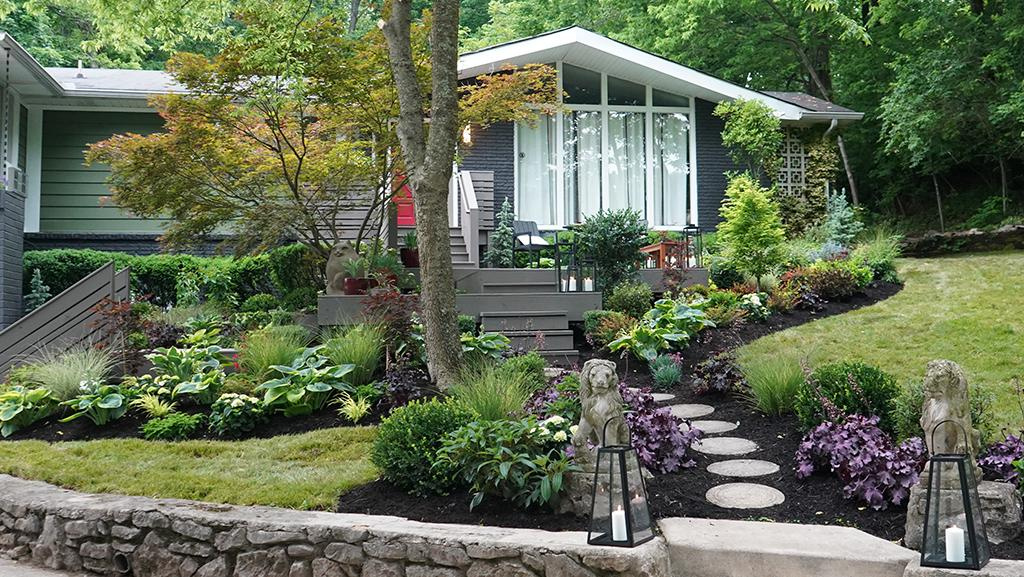
| Design Ideas | This is the classic hedge plant. Its dense, evergreen growth makes it perfect for shearing into a small, formal hedge. Ideal for defining different spaces in the garden or for a tidy foundation cover-up. It is especially lovely against red brick. Use as a partition to divide your front yard or driveway from your neighbor's. Also beautiful as background foliage. Creates lovely topiaries, particularly in cone shapes if planted where it snows. An excellent plant for parterres and hedge mazes. Keeps its color over winter. |
| Flower Color | Yellow |
| Foliage Color | Green |
| Companion Plants | Spirea (Spiraea); Lilac (Syringa); Weigela (Weigela); Maiden Grass (Miscanthus); Coneflower (Echinacea); Gayfeather (Liatris) |
| Care Instructions | Thrives in enriched, well-drained, neutral to slightly acidic soils. Mulch root zone to conserve moisture and to keep roots cool. Water deeply and regularly during the first few growing seasons to establish an extensive root system; reduce frequency once established. Apply fertilizer in early spring. Prune as needed to shape. |
| History | Also known as B. harlandii, this species is native to Japan. Sometimes sold as Buxus microphylla koreana. Boxwood is so named because its very hard wood was valued in ancient times for making boxes and small containers. |
| Lore | A Latin translation for Buxus is 'box'and the name may have been derived from its use to make small, finely carved boxes known in Greek as pyxos. Buxus is also Latin for flute; it is said that Roman gardener Pliny grew Buxus for making musical instruments. Dating back to 4,000 BC, Egyptians used clipped box hedges in their gardens. In Britain, three burial sites of the Roman era featured coffins lined with sprays of evergreen box. During the reign of Emperor Augustus, villas were planted with boxwood hedging and topiary, and during the reign of Henry V11, it has been written that Tudor gardens featured clipped boxwood knot gardens with thrift or cotton lavender bordering them. |
Details
| Description | An excellent evergreen shrub for small hedges. Among the hardiest of the small-leaved boxwoods, the rich green foliage can acquire a golden bronze hue in cold winter zones, but is one of the first to become green again in spring. Makes a wonderful addition to formal gardens, providing year-round interest. |
|---|---|
| Bloom Time | Inconspicuous; prized for foliage. |
| Deciduous/Evergreen | Evergreen |
| Special Features | Easy Care |
| Problems/Solutions | Deer Resistant, Rabbit Resistant |
| Growth Rate | Moderate |
| Growth Habit | Rounded |
Style
| Landscape Use | Border, Container, Hedge, Privacy Screen, Suitable for Topiary |
|---|---|
| Design Ideas | This is the classic hedge plant. Its dense, evergreen growth makes it perfect for shearing into a small, formal hedge. Ideal for defining different spaces in the garden or for a tidy foundation cover-up. It is especially lovely against red brick. Use as a partition to divide your front yard or driveway from your neighbor's. Also beautiful as background foliage. Creates lovely topiaries, particularly in cone shapes if planted where it snows. An excellent plant for parterres and hedge mazes. Keeps its color over winter. |
| Flower Color | Yellow |
| Foliage Color | Green |
| Companion Plants | Spirea (Spiraea); Lilac (Syringa); Weigela (Weigela); Maiden Grass (Miscanthus); Coneflower (Echinacea); Gayfeather (Liatris) |
Care
| Care Instructions | Thrives in enriched, well-drained, neutral to slightly acidic soils. Mulch root zone to conserve moisture and to keep roots cool. Water deeply and regularly during the first few growing seasons to establish an extensive root system; reduce frequency once established. Apply fertilizer in early spring. Prune as needed to shape. |
|---|
History
| History | Also known as B. harlandii, this species is native to Japan. Sometimes sold as Buxus microphylla koreana. Boxwood is so named because its very hard wood was valued in ancient times for making boxes and small containers. |
|---|---|
| Lore | A Latin translation for Buxus is 'box'and the name may have been derived from its use to make small, finely carved boxes known in Greek as pyxos. Buxus is also Latin for flute; it is said that Roman gardener Pliny grew Buxus for making musical instruments. Dating back to 4,000 BC, Egyptians used clipped box hedges in their gardens. In Britain, three burial sites of the Roman era featured coffins lined with sprays of evergreen box. During the reign of Emperor Augustus, villas were planted with boxwood hedging and topiary, and during the reign of Henry V11, it has been written that Tudor gardens featured clipped boxwood knot gardens with thrift or cotton lavender bordering them. |
Frequently asked questions
Does Winter Gem Boxwood produce flowers?
Inconspicuous; prized for foliage.
Is Winter Gem Boxwood evergreen or deciduous?
Winter Gem Boxwood is Evergreen.
What are the special features of Winter Gem Boxwood?
Winter Gem Boxwood is Easy Care.
Is Winter Gem Boxwood resistant to pests or animals?
Deer Resistant, Rabbit Resistant
How fast does Winter Gem Boxwood grow?
Winter Gem Boxwood has a Moderate growth rate.
What is the growth habit of Winter Gem Boxwood?
Winter Gem Boxwood grows in an Rounded habit.
Where can I use Winter Gem Boxwood in my landscape?
Winter Gem Boxwood is suitable for: Border, Container, Hedge, Privacy Screen, Suitable for Topiary.
How can I use Winter Gem Boxwood in my garden design?
This is the classic hedge plant. Its dense, evergreen growth makes it perfect for shearing into a small, formal hedge. Ideal for defining different spaces in the garden or for a tidy foundation cover-up. It is especially lovely against red brick. Use as a partition to divide your front yard or driveway from your neighbor's. Also beautiful as background foliage. Creates lovely topiaries, particularly in cone shapes if planted where it snows. An excellent plant for parterres and hedge mazes. Keeps its color over winter.
What color are Winter Gem Boxwood flowers?
Winter Gem Boxwood produces Yellow flowers.
What color is the foliage of Winter Gem Boxwood?
Winter Gem Boxwood has Green foliage.
What plants grow well with Winter Gem Boxwood?
Good companion plants for Winter Gem Boxwood include: Spirea (Spiraea); Lilac (Syringa); Weigela (Weigela); Maiden Grass (Miscanthus); Coneflower (Echinacea); Gayfeather (Liatris).
How do I care for Winter Gem Boxwood?
Thrives in enriched, well-drained, neutral to slightly acidic soils. Mulch root zone to conserve moisture and to keep roots cool. Water deeply and regularly during the first few growing seasons to establish an extensive root system; reduce frequency once established. Apply fertilizer in early spring. Prune as needed to shape.
What is the history of Winter Gem Boxwood?
Also known as B. harlandii, this species is native to Japan. Sometimes sold as Buxus microphylla koreana. Boxwood is so named because its very hard wood was valued in ancient times for making boxes and small containers.
Retailers Near You
About Us
We have been pioneers and craftsmen in the art of growing plants for 100 years. Since our founding in Southern California by Harry E. Rosedale, Sr. in 1926, we have been absolutely dedicated and obsessed with quality.
We have been pioneers and craftsmen in the art of growing plants for nearly 100 years. Since our founding in Southern California by Harry E. Rosedale, Sr. in 1926, we have been absolutely dedicated and obsessed with quality.