
You're growing in this Zip Code:
Discover Plants for Your Area
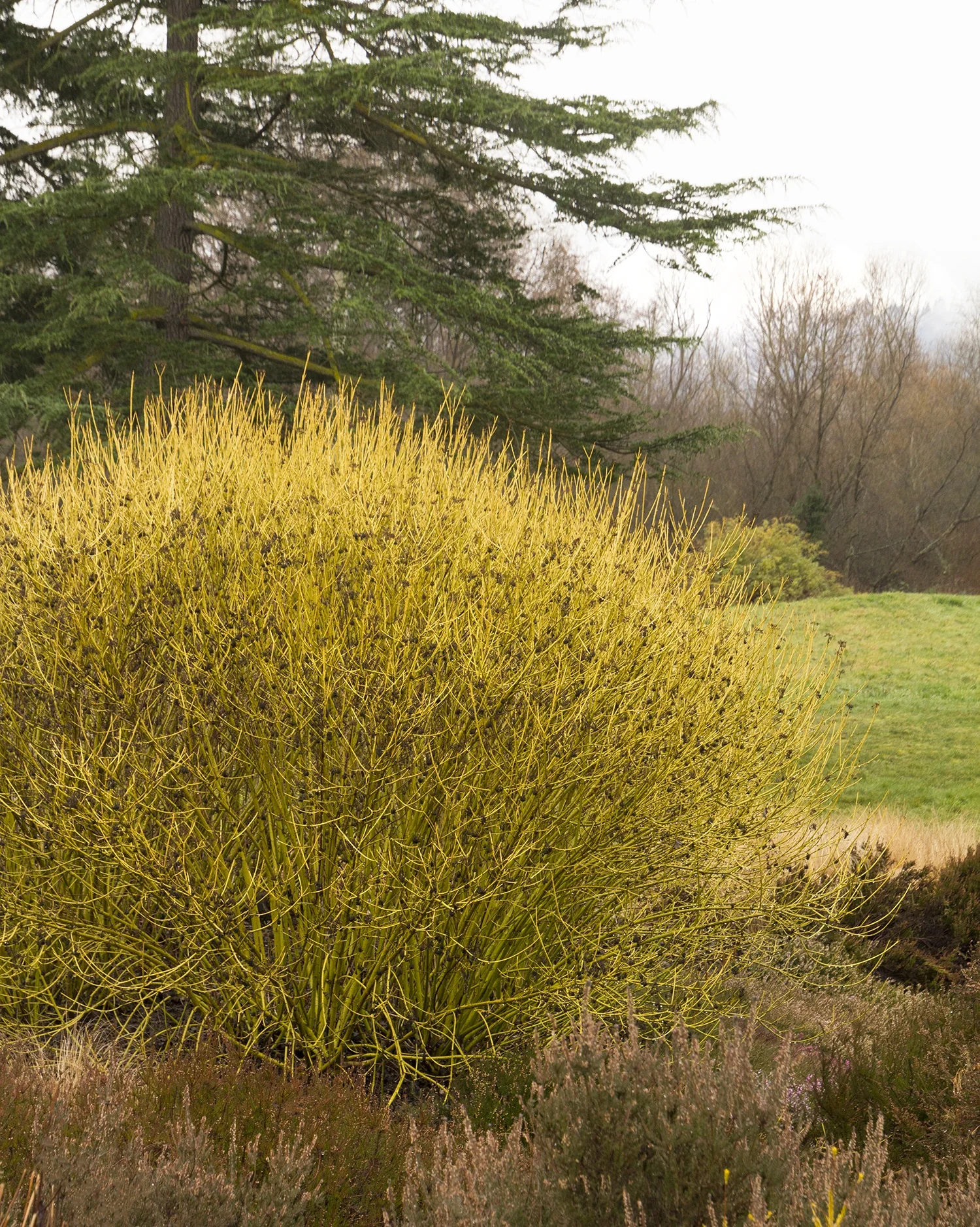
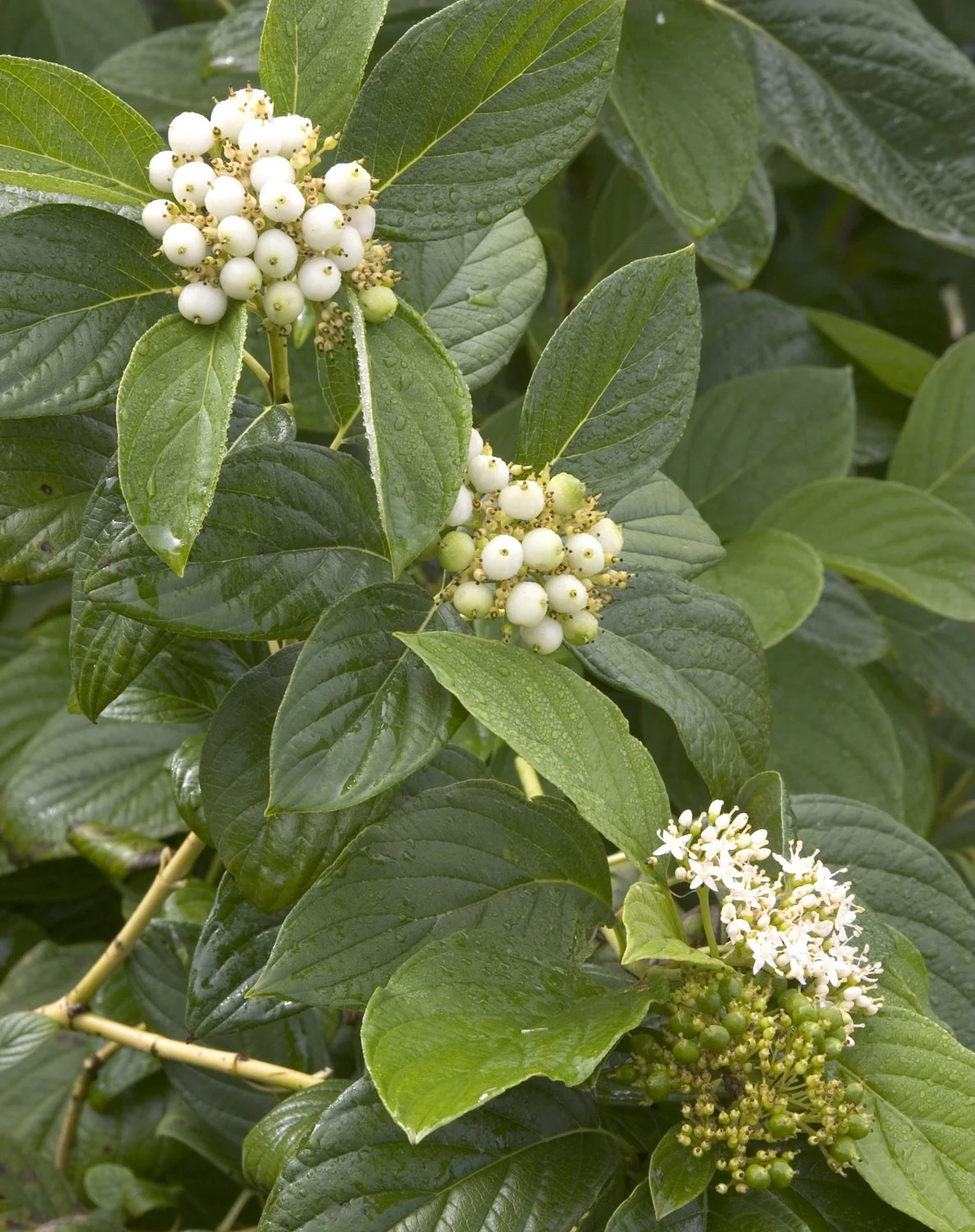
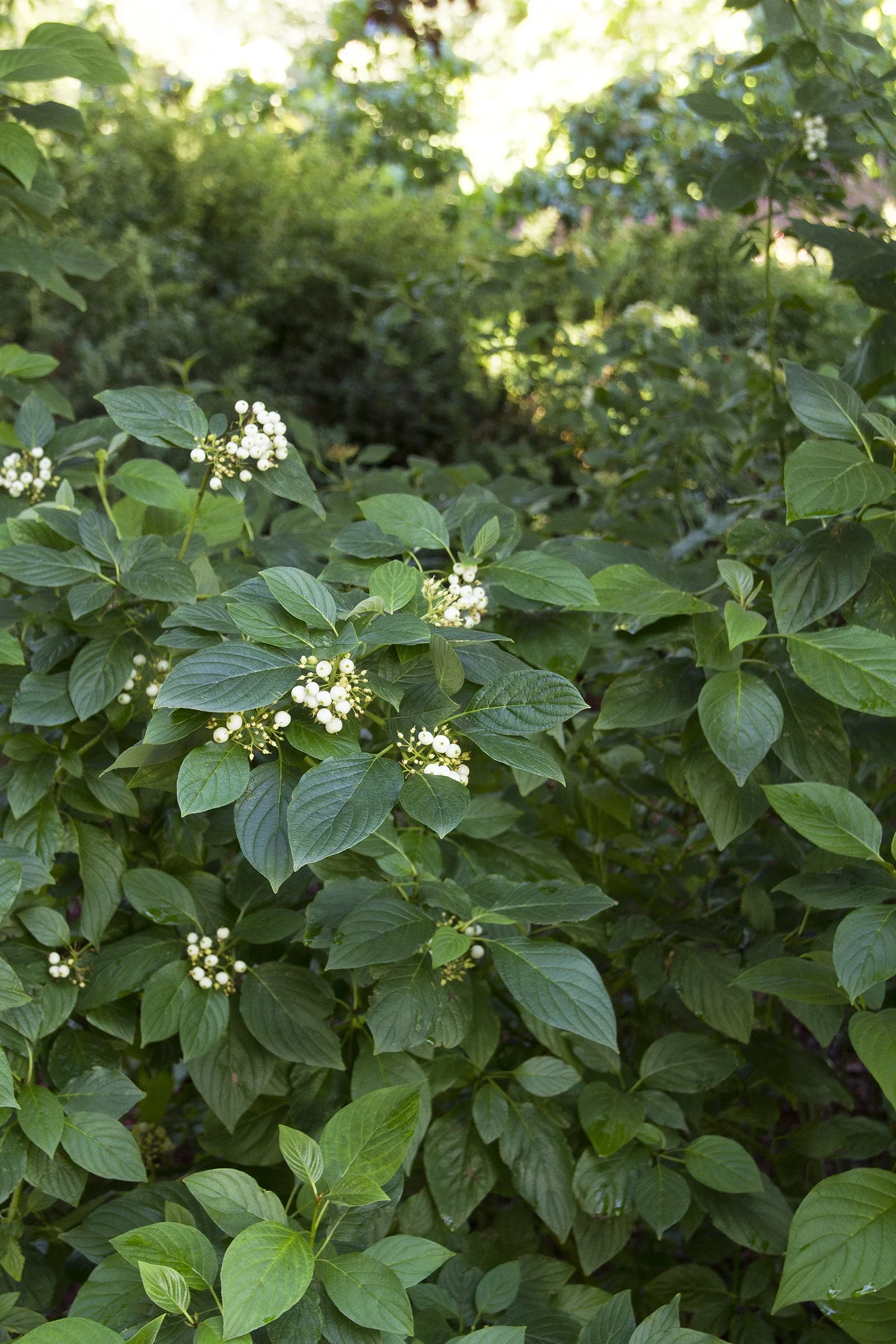
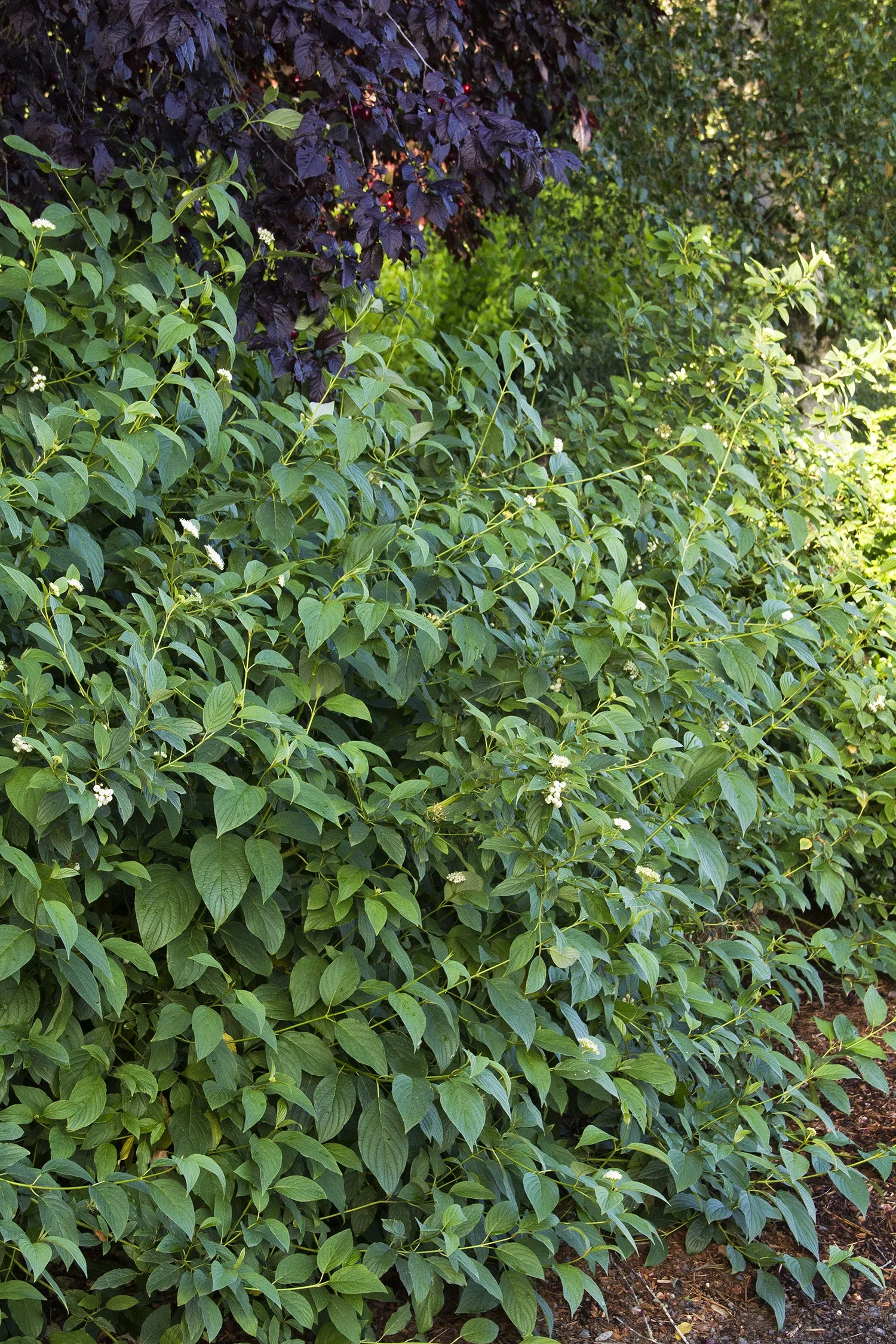
Yellow Twig Dogwood
Cornus sericea 'Flaviramea'
Pronunciation: KOR-nus ser-E-se-a flah-vi-RAHM-ee-a
SKU #02780
LIGHT:
Full sun, Partial sun
WATER:
Keep soil moist.
SIZE:
Moderate growing; reaches 6 to 8 ft. tall, 7 to 9 ft. wide.

Retailers Near You
Ready to Grow?
Ship Monrovia plants directly to your door. Browse a curated selection available online.
Shop Now >This Plant's Growing Zones: 2-8
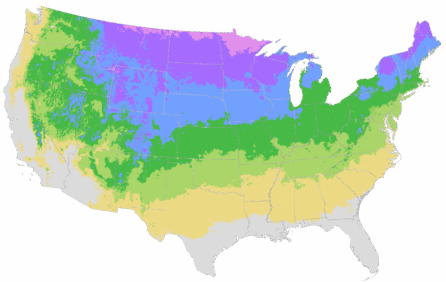
Your USDA Cold Hardiness Zone:
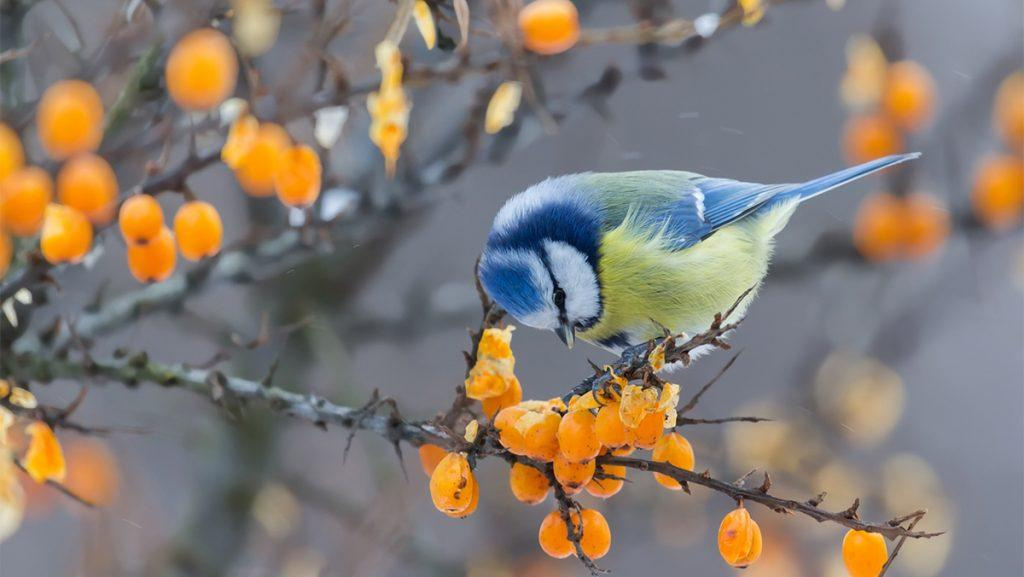

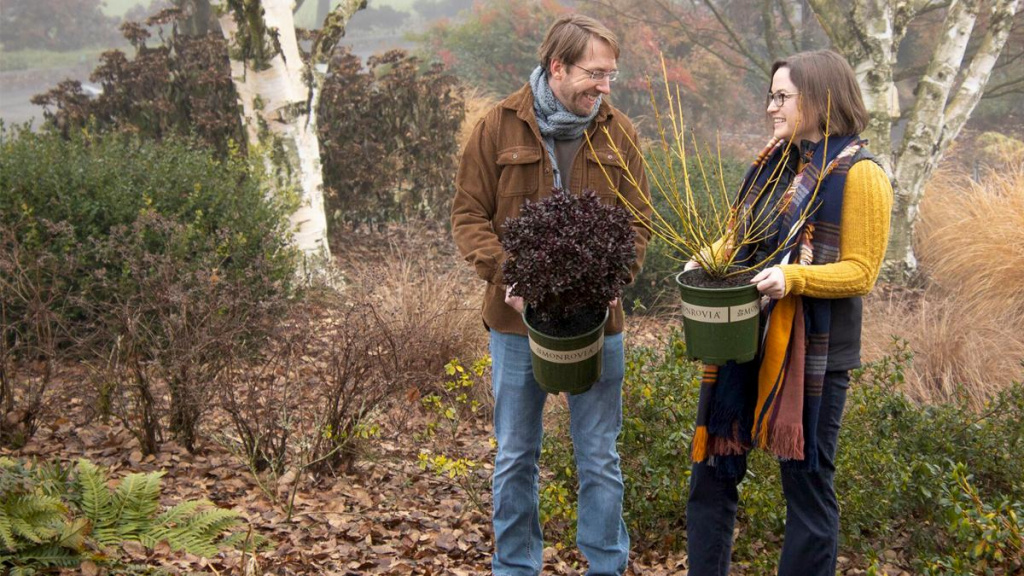
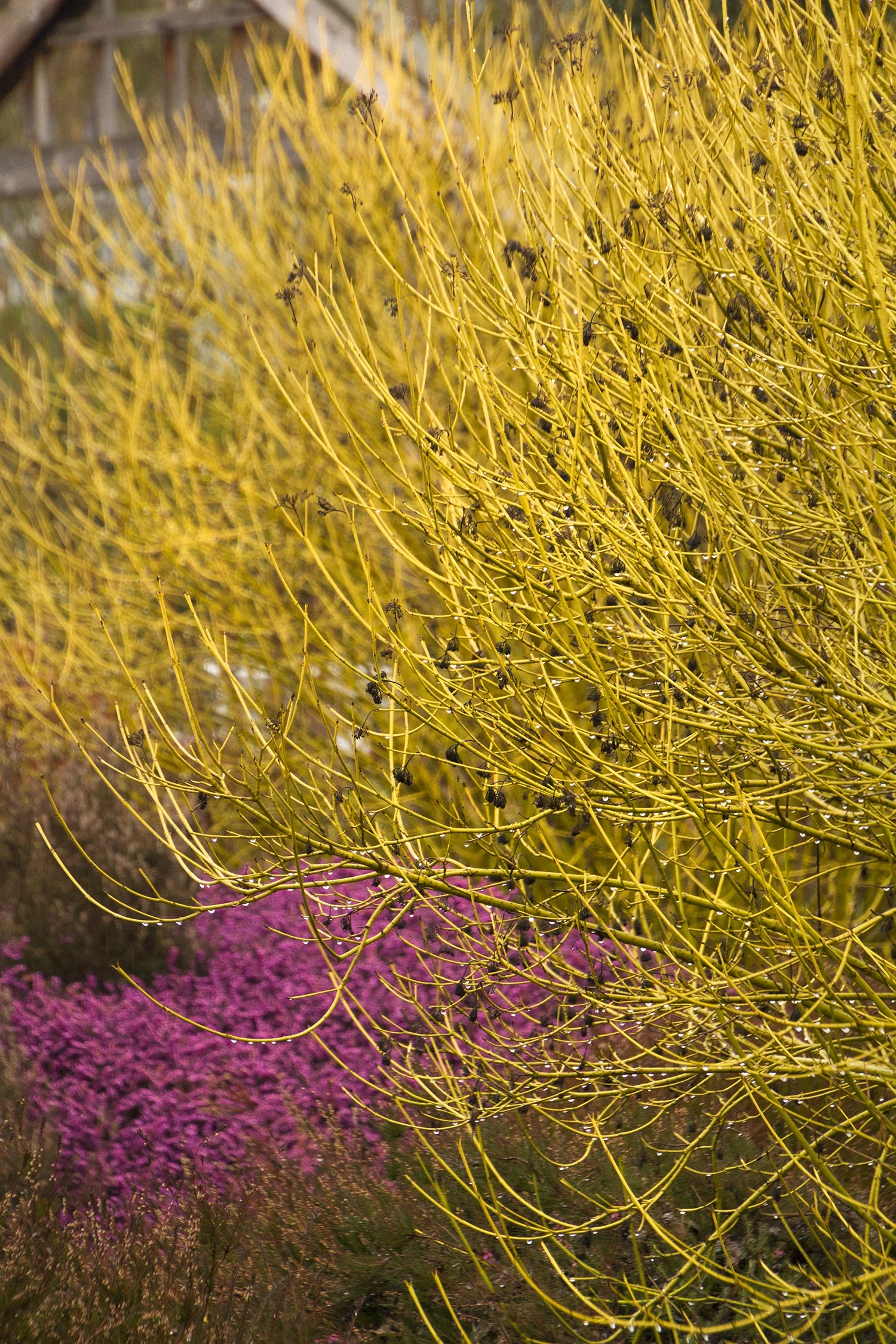
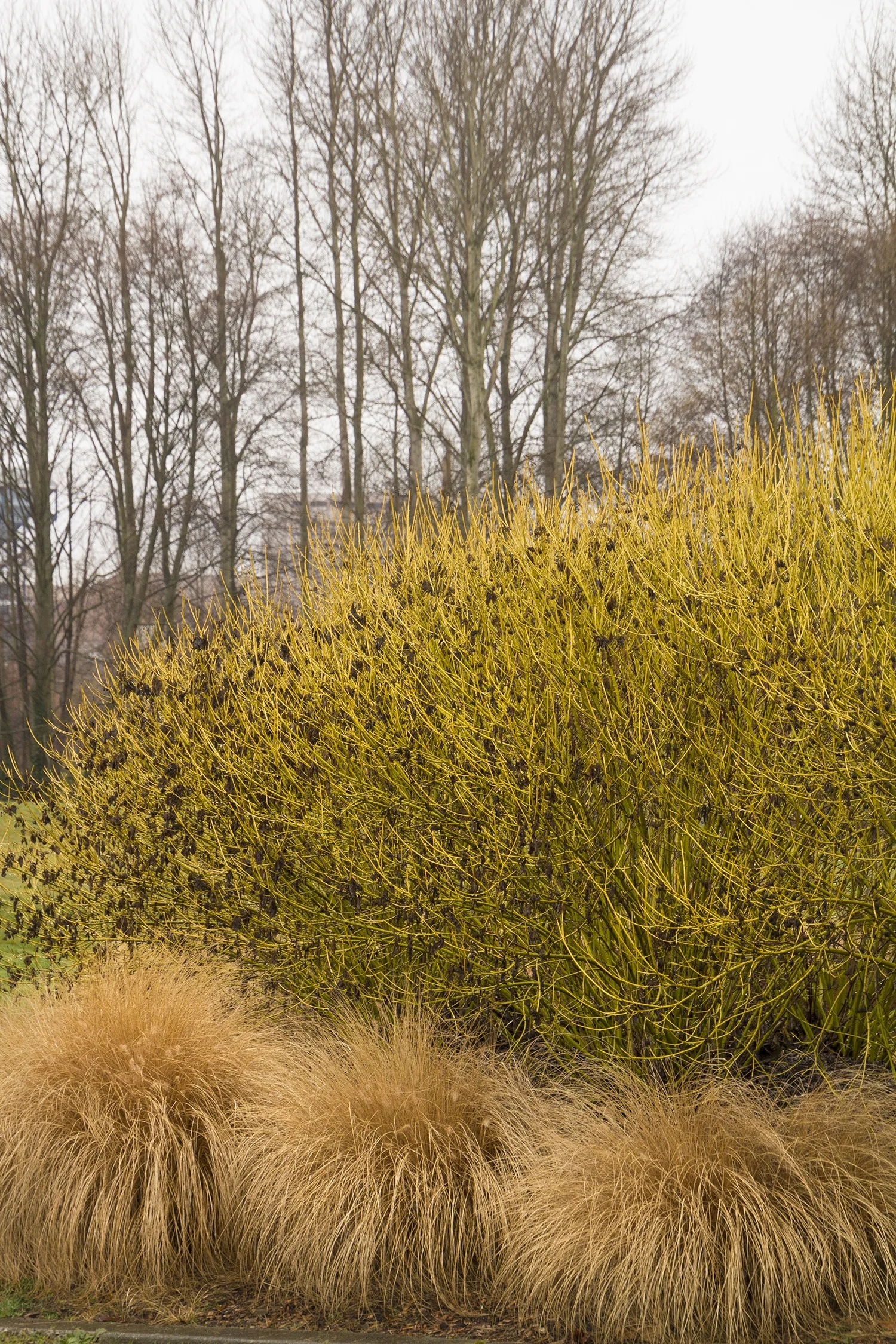
| Description | The bright yellow stems on the younger growth of this multi-stemmed shrub provide striking winter color. White flower clusters adorn the green foliage in spring and are followed by white ornamental fruit. Bare stems are an excellent addition to seasonal flower arrangements. Use in shrub borders or mass plantings. Ideal for naturalizing. Deciduous. |
|---|---|
| Bloom Time | Spring |
| Deciduous/Evergreen | Deciduous |
| Special Features | Attractive Bark, Fall Color, Ornamental Berries, Benefits Birds |
| Problems/Solutions | Erosion Control, Very Wet Areas, Tolerates Urban Pollution, Road Salt Tolerant |
| Growth Rate | Moderate |
| Growth Habit | Pyramidal |
| Flower Attributes | Showy Flowers |
| Landscape Use | Border, Hedge, Privacy Screen |
| Design Ideas | Bring interest to the winter garden with this Dogwood's yellow twigs that stand out against the dark landscape. Plant in a stand or use singly as contrast to neighboring plants. Keep the outstanding stem color by cutting down the stems in early spring to make room for new growth. |
| Flower Color | White |
| Foliage Color | Green |
| Foliage Fall Color | Red |
| Companion Plants | Chokeberry (Aronia); Weigela (Weigela); Japanese Sweet Flag (Acorus); Summersweet (Clethra); Sweetspire (Itea); Turtlehead (Chelone) |
| Care Instructions | Prefers enriched, moist, well-drained soils but adaptable; tolerates dry conditions and wet soils once established. Water deeply, regularly in first growing season to establish extensive root system. Fertilize in spring. Best stem color on young wood; hard prune one-third of oldest stems annually in late winter. Root prune to control spread. |
| History | This species is often confused with C. stolonifera as both bear red twig forms were the same species. It was reclassified in the 20th century by Francis Fosberg. Its common name, osier dogwood has been used since 1656. The yellow 'Aurea' form did not appear until 1899. |
| Lore | Osier describes how this dogwood produces the same whip-like branching as the willows, also known as osiers in the Old World. |
Details
| Description | The bright yellow stems on the younger growth of this multi-stemmed shrub provide striking winter color. White flower clusters adorn the green foliage in spring and are followed by white ornamental fruit. Bare stems are an excellent addition to seasonal flower arrangements. Use in shrub borders or mass plantings. Ideal for naturalizing. Deciduous. |
|---|---|
| Bloom Time | Spring |
| Deciduous/Evergreen | Deciduous |
| Special Features | Attractive Bark, Fall Color, Ornamental Berries, Benefits Birds |
| Problems/Solutions | Erosion Control, Very Wet Areas, Tolerates Urban Pollution, Road Salt Tolerant |
| Growth Rate | Moderate |
| Growth Habit | Pyramidal |
| Flower Attributes | Showy Flowers |
Style
| Landscape Use | Border, Hedge, Privacy Screen |
|---|---|
| Design Ideas | Bring interest to the winter garden with this Dogwood's yellow twigs that stand out against the dark landscape. Plant in a stand or use singly as contrast to neighboring plants. Keep the outstanding stem color by cutting down the stems in early spring to make room for new growth. |
| Flower Color | White |
| Foliage Color | Green |
| Foliage Fall Color | Red |
| Companion Plants | Chokeberry (Aronia); Weigela (Weigela); Japanese Sweet Flag (Acorus); Summersweet (Clethra); Sweetspire (Itea); Turtlehead (Chelone) |
Care
| Care Instructions | Prefers enriched, moist, well-drained soils but adaptable; tolerates dry conditions and wet soils once established. Water deeply, regularly in first growing season to establish extensive root system. Fertilize in spring. Best stem color on young wood; hard prune one-third of oldest stems annually in late winter. Root prune to control spread. |
|---|
History
| History | This species is often confused with C. stolonifera as both bear red twig forms were the same species. It was reclassified in the 20th century by Francis Fosberg. Its common name, osier dogwood has been used since 1656. The yellow 'Aurea' form did not appear until 1899. |
|---|---|
| Lore | Osier describes how this dogwood produces the same whip-like branching as the willows, also known as osiers in the Old World. |
Retailers Near You
About Us
We have been pioneers and craftsmen in the art of growing plants for 100 years. Since our founding in Southern California by Harry E. Rosedale, Sr. in 1926, we have been absolutely dedicated and obsessed with quality.
We have been pioneers and craftsmen in the art of growing plants for nearly 100 years. Since our founding in Southern California by Harry E. Rosedale, Sr. in 1926, we have been absolutely dedicated and obsessed with quality.