
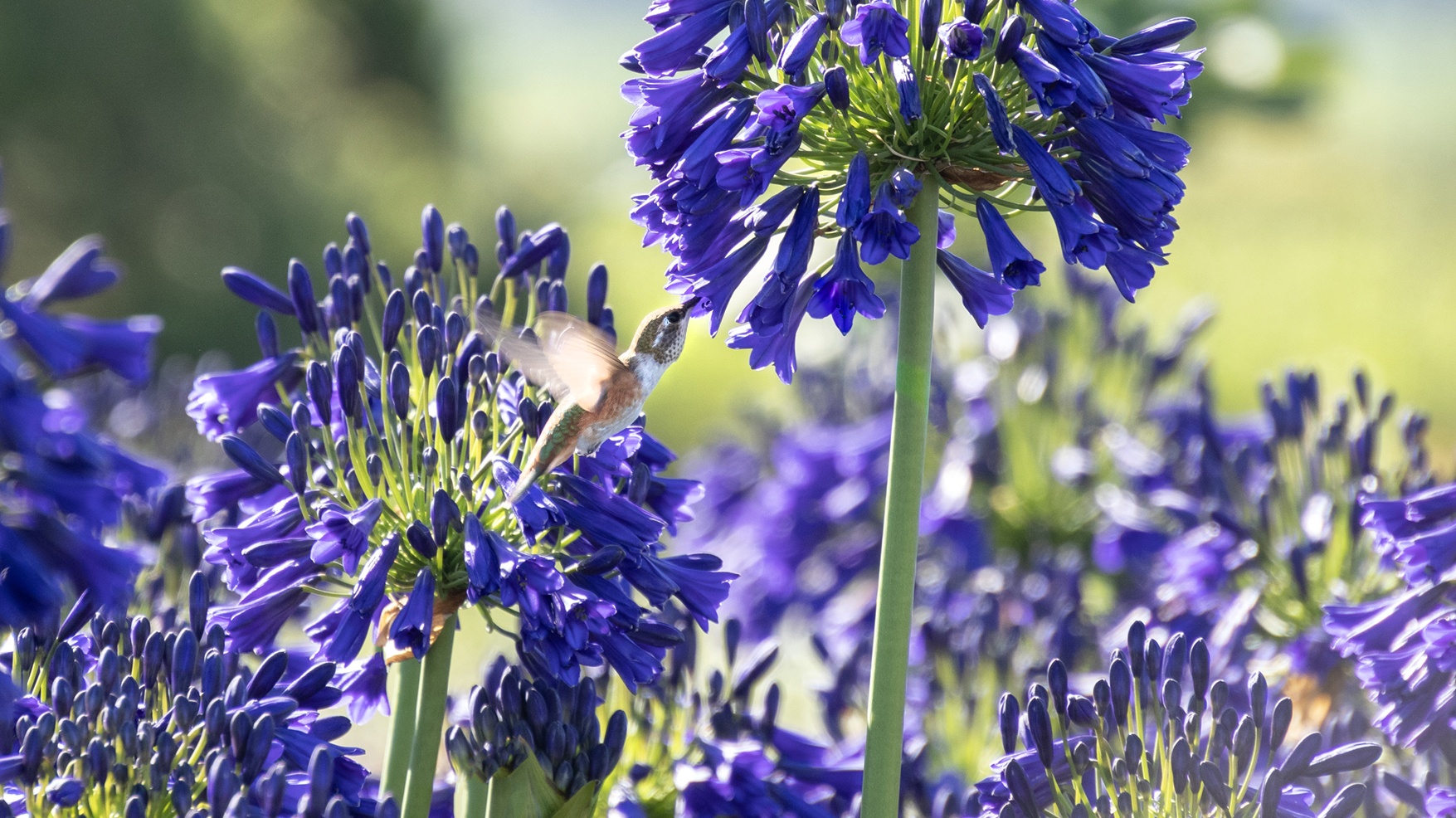
There’s something undeniably magical about seeing a hummingbird flash into view, whirring from bloom to bloom. These tiny birds bring a sense of wonder and surprise to any garden space, small or large. With a little thoughtful planning and the right selection of nectar-rich plants, any outdoor space can become a hummingbird haven.
(Above) A hummingbird visits the deep-violet blooms of Purple Potion® Agapanthus.
Whether your outdoor space is large or small, a container or an expansive meadow, the ingredients for a vibrant, hummingbird-friendly garden are the same: color, movement, layered plants, and reliable bloom from spring through fall.
Here’s how to create a space that not only delights these remarkable birds but also brings daily joy and motion to your landscape.
Plus, a free landscape design from our Landscape Plan Digital Guide is included below.
4 Tips for Designing a Hummingbird-Friendly Garden
Designing for hummingbirds is all about understanding what they look for and creating a garden that is easy for them to find and navigate, and offers reliable sources of nectar.
1. Think in Layers
Hummingbirds move through a garden the way we move through a house. Some spaces are for feeding. Some are for resting. Some are transitional. When you include plants at various heights, you naturally create these zones.
Tall shrubs and trees give hummingbirds places to survey the garden, preen, and rest. Mid-sized perennials supply consistent nectar right at feeding height. Low-growing plants cover the ground and support short hover-feeding sessions. A garden built with layers feels immersive rather than sparse, and that richness is as appealing to hummingbirds as it is to humans.
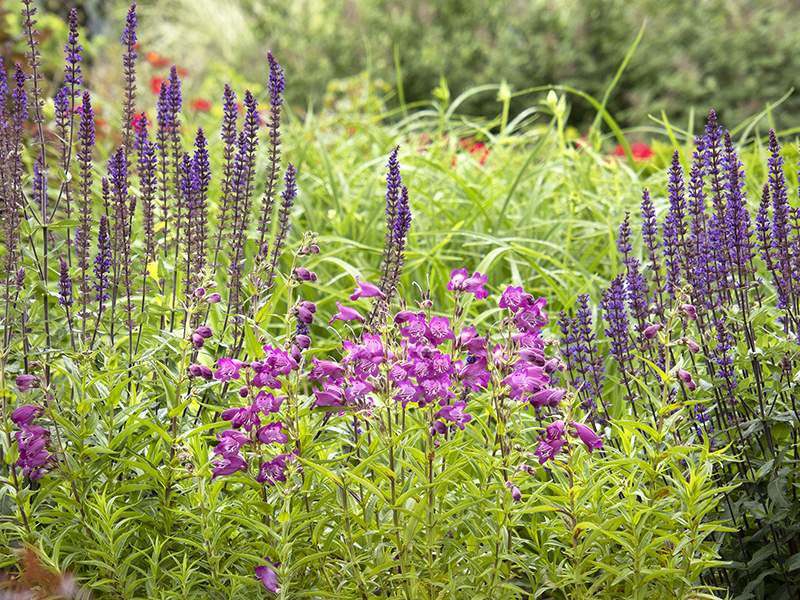
2. Aim for a Continuous Bloom From Spring to Fall
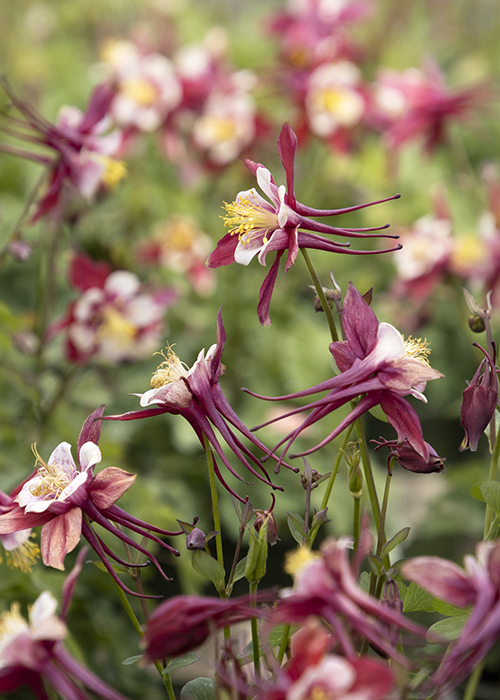
(Above) Kirigami™ Red & White columbine offers nectar to hummingbirds early spring through early summer.
If hummingbirds find a good nectar source, they’ll keep coming back to check it. A garden that offers new flowers every few weeks is like a reliable café on their daily route.
Plus, hummingbirds are migratory, so when they arrive in your area depends on your location. In the southern U.S., you might spot them as early as February, while northern regions typically see hummingbirds arrive in April or May. Planting a garden that blooms throughout the warm season will ensure that you’re providing food from their arrival until their fall migration.
Early in the season, plants like Peaches and Cream Honeysuckle, Kirigami™ Columbine, and Summertime Blues™ Chaste Tree offer a nectar kickstart for hummingbirds just arriving from their long journey.
Summer bloomers like Summerlong™ Coral Agastache and Poco™ Red Hot Poker keep the party going, while late-season bloomers like Stoplights Red Yucca provide fuel for the journey south.
For gardeners in cold climates, treating some warm-zone hummingbird-attracting perennials as annuals or planting in containers can help extend the bloom season.
Monrovia’s plant varieties are especially reliable here: many are selected or bred for extended bloom windows, vigorous growth, and strong flower production. By mixing early-, mid-, and late-season bloomers, you create a continuous buffet that hummingbirds can count on.
3. Use Color and Movement to Catch Their Eye
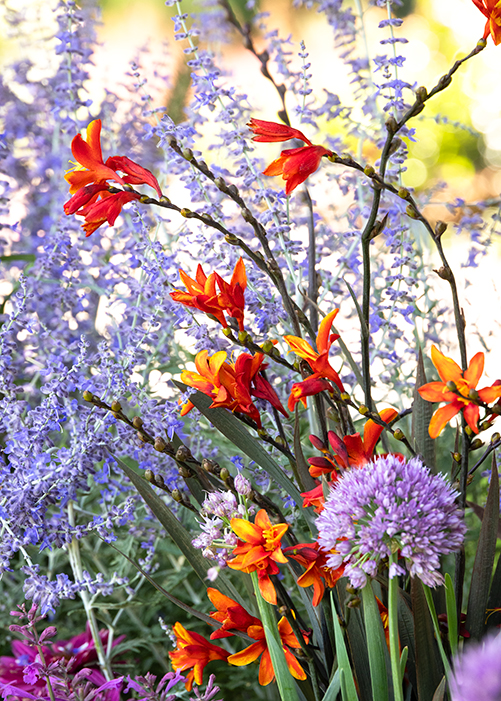
(Above) The cool purples of Cobalt Millennium Allium and Blue Jean Baby Russian Sage offer a colorful contrast to the hot reds and oranges of Dark Fire Montbretia.
While hummingbirds might investigate almost any flower, bold colors like reds, oranges, hot pinks, and deep purples stand out the most. Bright blooms help hummingbirds quickly assess where to feed, and movement plays an equally important role.
Airy perennials and ornamental grasses sway with even the slightest breeze, creating visual cues that help hummingbirds navigate safely.
Color draws them in, but motion makes the space feel alive.
4. Give Them Flight Corridors
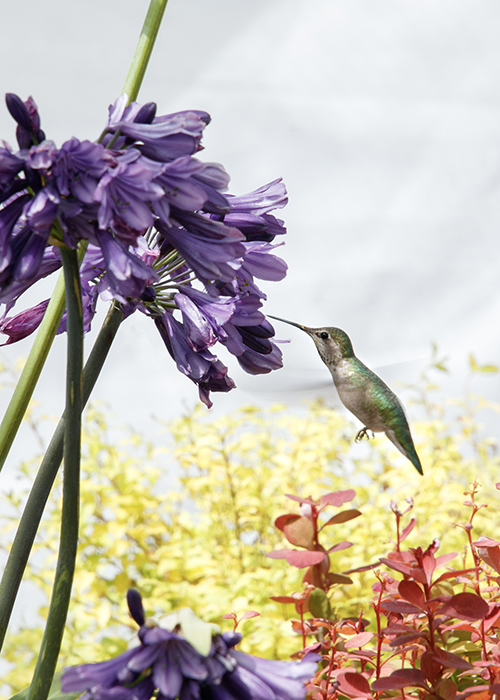
A hummingbird has ample space to navigate this garden and feast on a purple agapanthus flower.
Hummingbirds are agile in tight spaces, but they still prefer clear lines of travel between food sources. Grouping plants in loose clusters of three to five creates a more noticeable feeding station than single plants scattered around. Clusters also allow hummingbirds to feed efficiently, allowing them to visit multiple blooms without burning unnecessary energy.
Space these groupings so hummingbirds can swoop, arc, and retreat easily. A garden with intentional airspace feels more natural and more enticing.
Containers, Small Spaces, and Hanging Gardens for Hummingbirds
Big garden or small, hummingbirds don’t discriminate. What they respond to is color and the promise of nectar. If you’re working with a patio, balcony, or small courtyard, you can still build an irresistible nectar oasis.
Containers
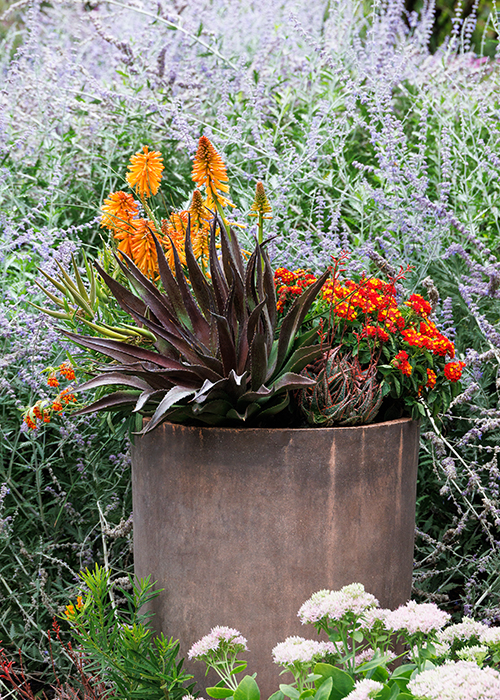
(Above) A waterwise container with Red Wing Mangave, Poco™ Orange Hot Poker, and Hot Blooded® Lantana is tucked into a border with Russian sage, bringing bright color and nectar for hummingbirds.
Containers bring flowers to the perfect place for up-close viewing. A simple formula works beautifully here: select a tall, nectar-rich focal plant (like weigela, fuchsia, cuphea, or a trellised honeysuckle), surround it with long-blooming fillers (think agastache, salvia, or penstemon), and finish with spillers that trail over the pot’s edge (lantana or calibrachoa are perfect).
Place containers near seating areas, windows, or entryways so you can enjoy the show all season.
Small Spaces
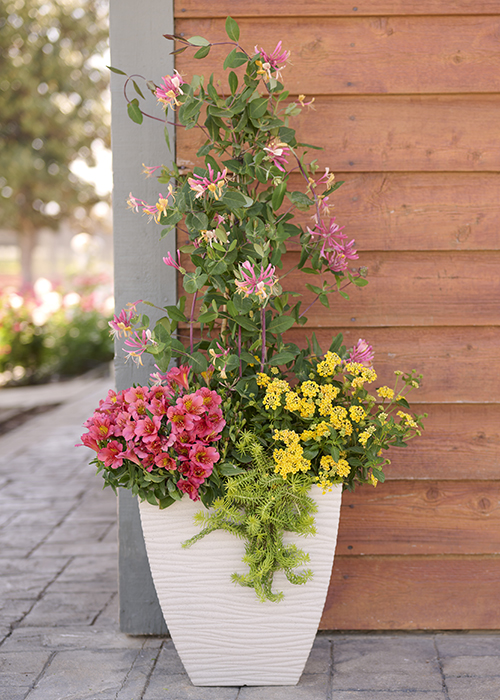
(Above) Colorita® Eliane® Peruvian Lily, Angelina Stonecrop, Chapel Hill Yellow Lantana, and Goldflame Honeysuckle make a big, vertical impact with colorful flowers full of nectar for hummingbirds.
In tight spaces, verticality is your best bet for maximizing your space. A trellis with honeysuckle (like Goldflame Honeysuckle pictured on a trellis here), an upright salvia like VIBE® Ignition in a corner container, or layered pots grouped together can all act as magnet zones for hummingbirds.
Clustered containers create dense, layered pockets of nectar-rich blooms that hummingbirds read as food-rich opportunities. Even a slim balcony railing planter with cuphea or trailing lantana can become a busy feeding zone.
Hanging Baskets
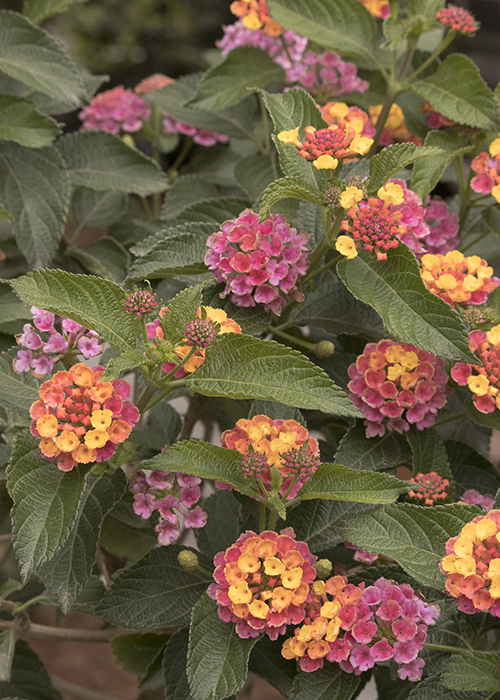
(Above) Confetti® Spreading Lantana has a spreading habit that looks gorgeous in a hanging basket.
Hanging baskets naturally position blooms right where hummingbirds want them. Lantana, cuphea, and mandevilla make exceptional choices because they’re easy for hummingbirds to access and stay in bloom for long stretches. The key is placement. Choose hangers where birds won’t collide with windows and where you can easily keep an eye on the frequent feedings.
Seasonal Tips for Keeping the Garden Active
Each season brings different needs for both plants and hummingbirds:
Spring
Early bloomers help migrating hummingbirds refuel. Clear winter debris so fresh shoots are visible, and ensure consistent watering as plants wake up.
Summer
Deadheading keeps blooms coming, and steady moisture ensures flowers produce nectar well. Add mid-season stars like agastache and cuphea to keep feeding stations active.
Fall
Late-season salvias, agastache, and lantana provide crucial fuel for migrating birds. Avoid cutting back plants too soon; seedheads and stems support insects that hummingbirds rely on.
Winter (Regions Where Hummingbirds Stay)
Evergreen shrubs and winter bloomers offer shelter and food. Protect birds from wind and maintain any feeders responsibly if you choose to use them.
FAQ: Are Hummingbird Feeders Bad?
Feeders are not inherently bad for hummingbirds, but they should be used carefully. Unlike nectar-rich flowers, feeders provide a single source of sugar water and none of the additional nutrition that natural blooms offer. If not cleaned regularly, feeders can harbor harmful mold or bacteria.
Think of feeders as a supplement to a well-planted garden, not a replacement. If you do hang a feeder, keep it clean and filled with a simple solution of four parts water to one part sugar. No red dye needed. Place it near blooming plants to create a more dynamic feeding zone.
Pro Tips for a Thriving Hummingbird Garden
Cluster plants rather than spacing them widely. Hummingbirds feed longer at dense nectar stations.
Add a water source with gentle movement, like a mister or dripping fountain. Hummingbirds adore bathing in fine sprays.
Let plants be the primary nectar source and skip artificially dyed feeder mixes.
Choose plants suited to your climate for the best bloom performance and hardiness.
How to Choose the Best Plants for Hummingbirds
Not all flowers are equal when it comes to drawing hummingbirds in. Here’s what matters most when you’re selecting plants.
Flower Shape
Tubular and trumpet-shaped flowers are hummingbird favorites because these blooms hold nectar deep inside—accessible to hummingbirds but difficult for other pollinators. Salvias, penstemons, agastache, honeysuckle, columbine, cuphea, and trumpet vine are especially well-suited to their long bills.
Color Saturation
While hummingbirds will sample a wide range of blooms, bright reds and oranges are unmistakable beacons for them. Deep purples and vivid pinks are also strong attractors. Look for highly saturated colors that stand out against foliage.
High Nectar Output
Hummingbirds burn tremendous energy and need flowers that replenish quickly. Plants grown for vigor, like Monrovia selections, produce abundant nectar-rich blooms throughout the season. Strong growth equals dependable food.
Long or Repeat Blooming
The longer a plant blooms, the more valuable it becomes. Salvias, agastache, lantana, and cuphea can flower from late spring into fall in many climates. Certain hydrangeas and reblooming shrubs add extra months of color and nectar.
Native or Climate-Adapted Plants
Using natives supports local hummingbird species and their broader ecosystems, while climate-adapted choices ensure better resilience and longer bloom cycles. The best approach is a blend of both.
Avoid Pesticides
Healthy, pesticide-free gardens support hummingbirds in more ways than one. These birds rely on insects (especially during nesting season) for protein. Avoiding pesticides, including organic insecticides, keeps your garden safe and thriving.
Top Plants for Hummingbirds
Here are reliable, high-performing plants that hummingbirds love and gardeners adore.
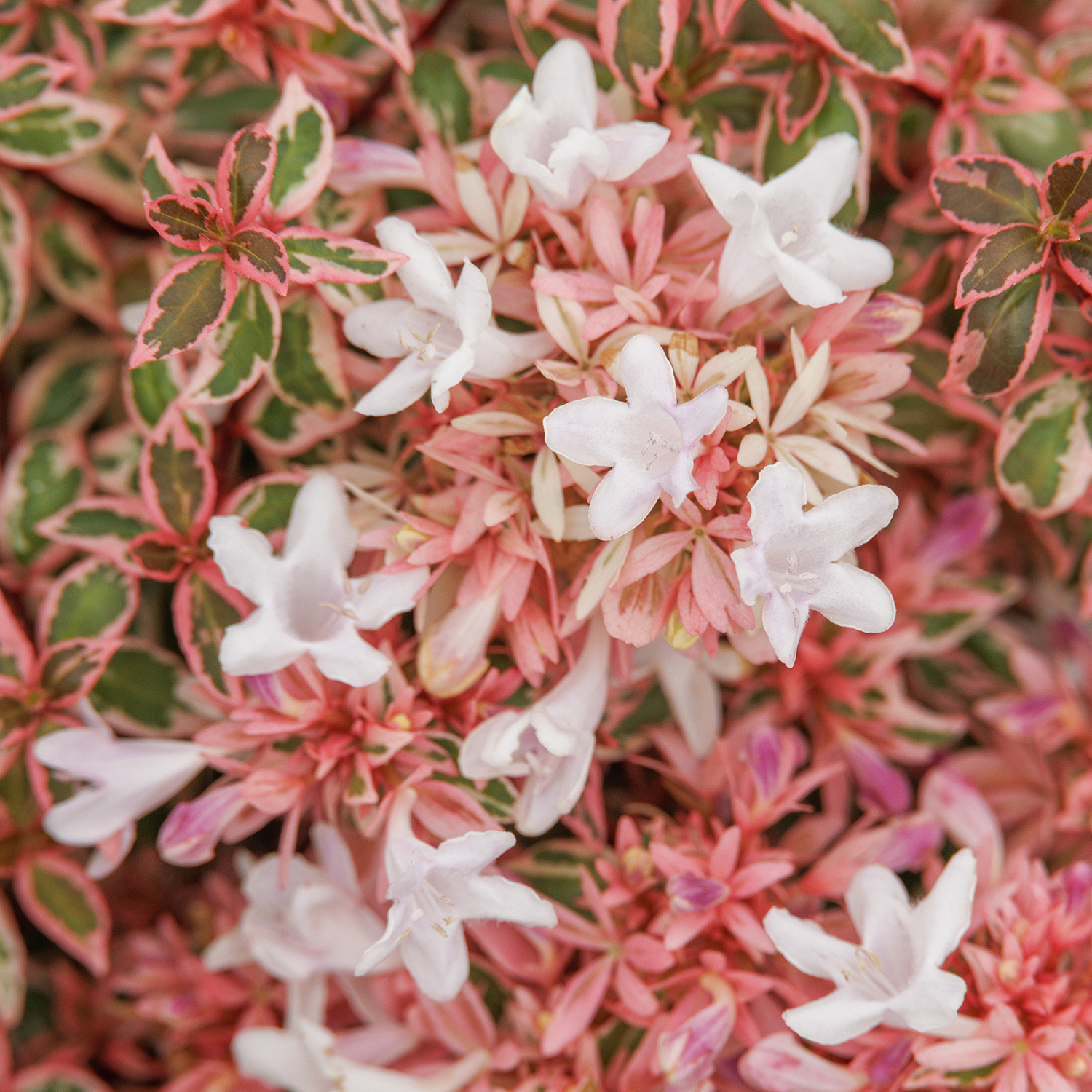
Angel's Blush®
Abelia
Small green and white variegated leaves take on a rose-pink hue in cold weather. White summer blooms are loved by hummingbirds. Part to full sun. 2' tall, 3' wide. Zones 6-9.
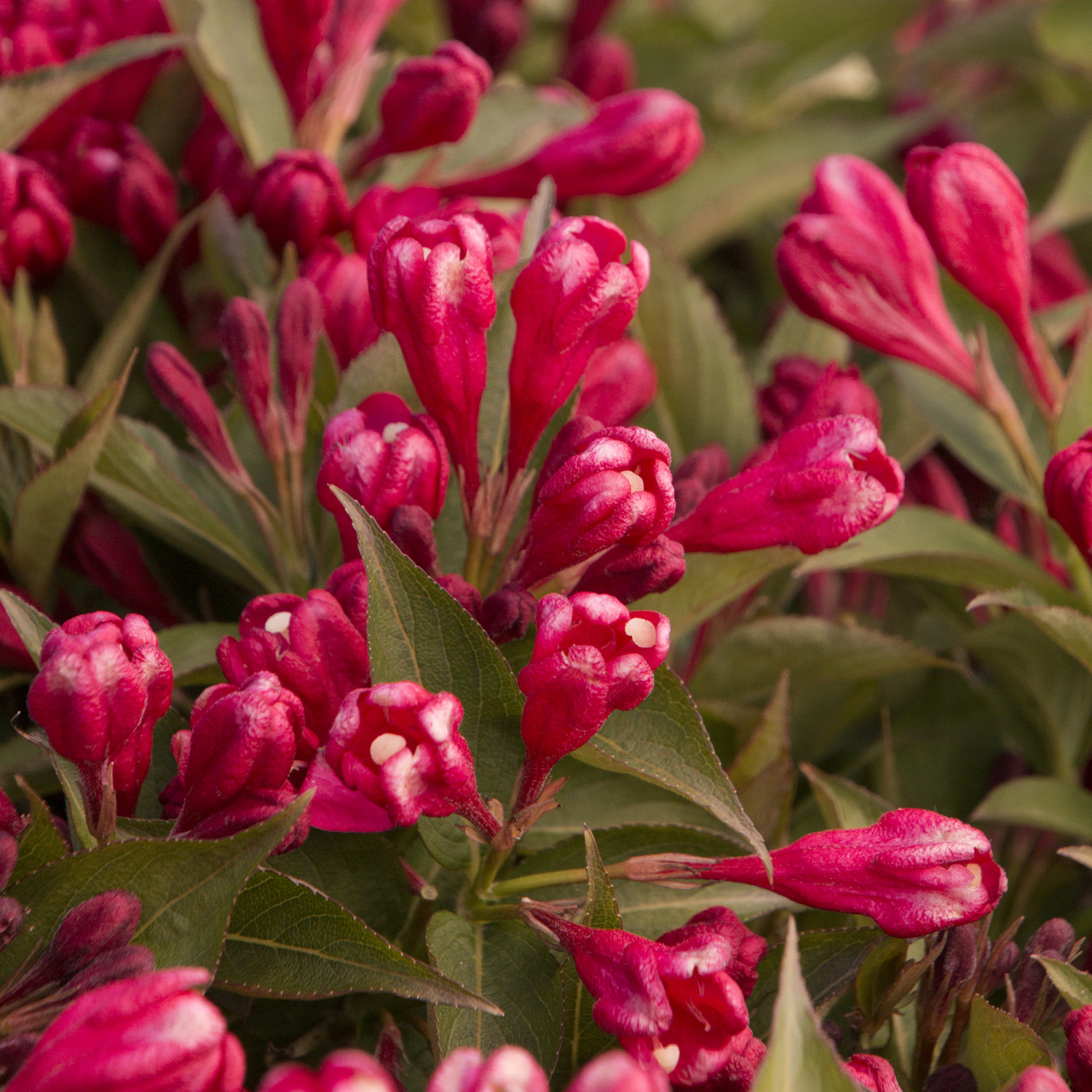
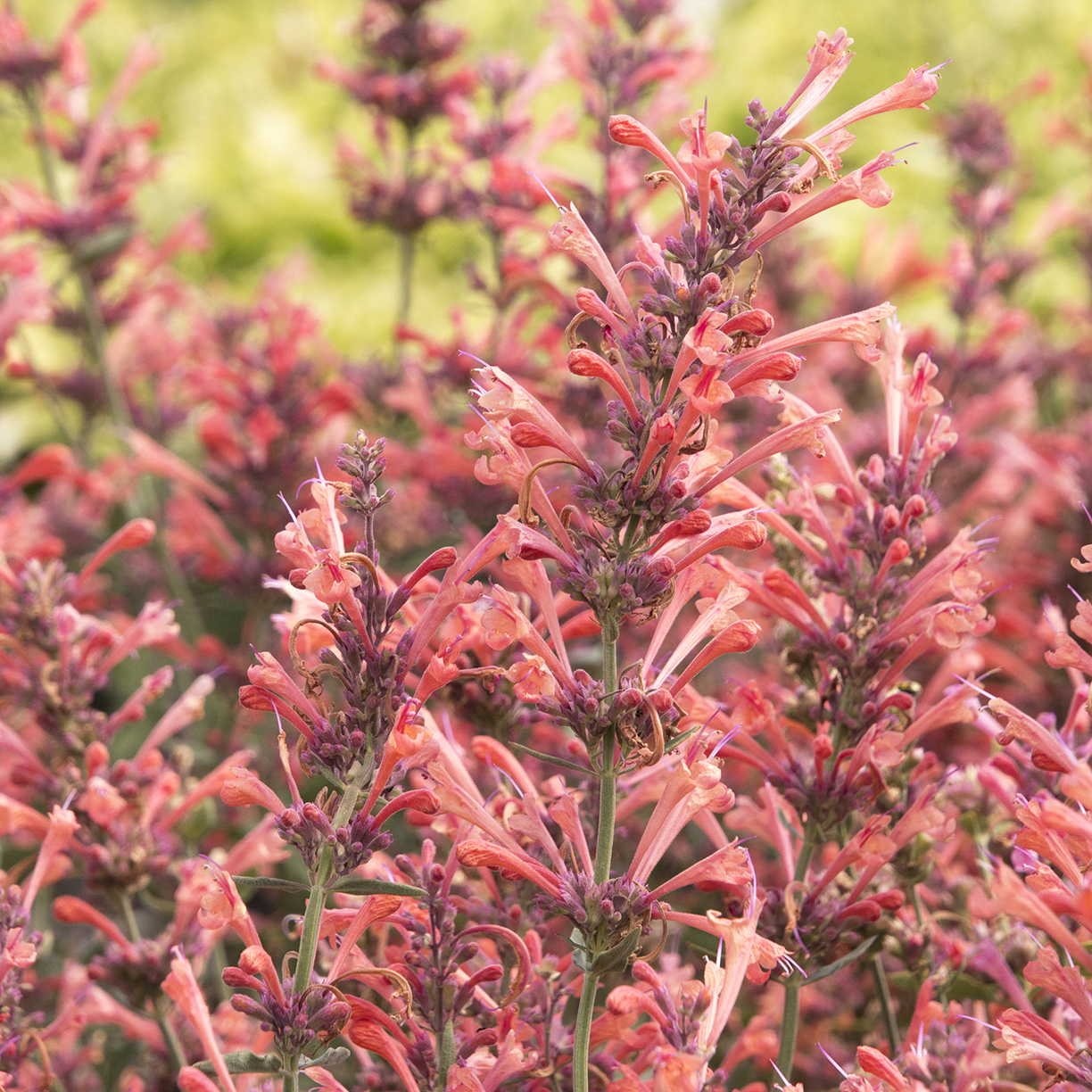
Kudos Coral
Dwarf Agastache
Coral-pink flower spikes attract hummingbirds and make lovely cut flowers, with added tolerance for wet, cold soils and coastal drought. Full sun. Up to 20" tall, 16" wide. Zones 5-10.
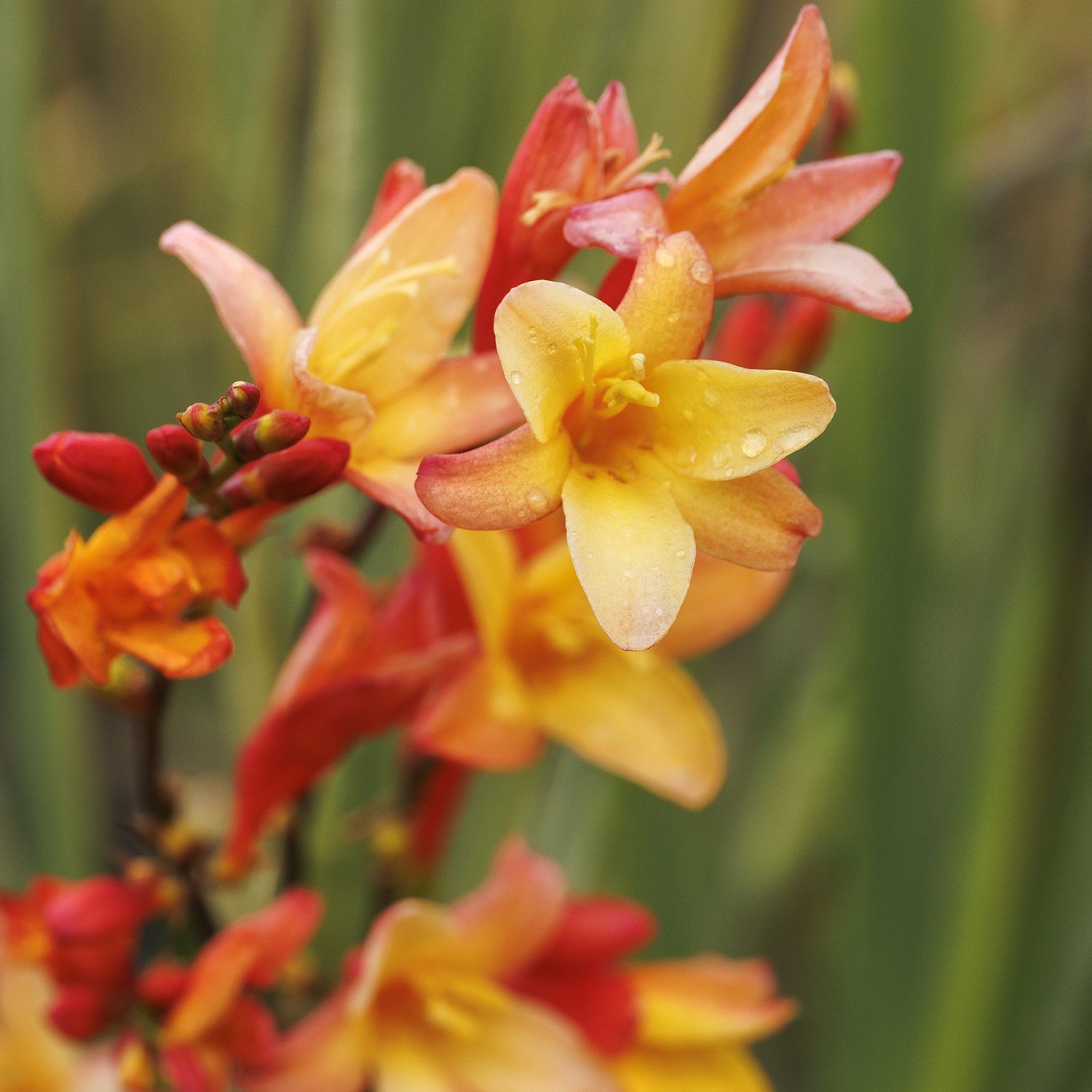
Orange Pekoe
Montbretia
Vibrant red-orange buds open to bold tricolor blooms in shades of red, orange, and yellow, rising on tall stems above upright, sword-like green foliage. A dramatic, colorful accent, especially striking when planted in groups. Part to full sun. Up to 26" tall and wide. Zones 5-9.
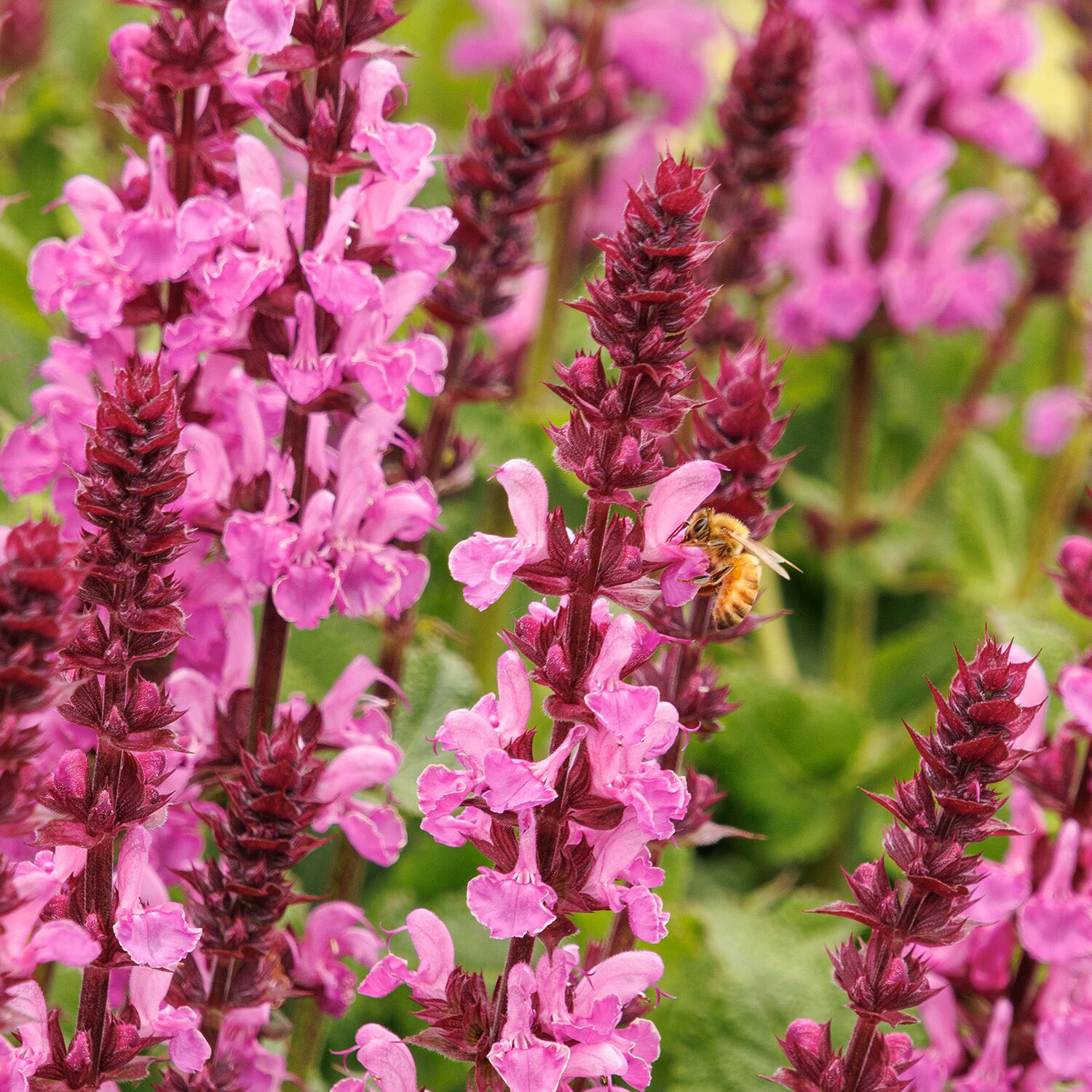
Rose Marvel
Salvia
Vibrant, rose-pink flower spikes top a compact, shrub-like plant with gray-green, deer- and rabbit-resistant foliage. Perfect for sunny borders or containers, it reblooms without deadheading and attracts hummingbirds throughout the season. Full sun. Up to 12" tall and wide. Zones 4-9.
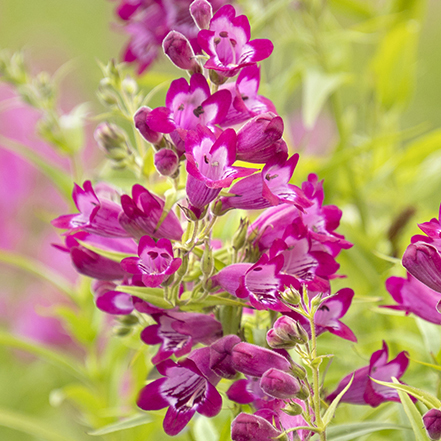
Harlequin™ Magenta
Beardtongue
Packed with color and vertical interest, this easy-growing, disease-resistant plant thrives in full sun and poor, dry soils. Its compact, bushy form produces long-lasting spikes of magenta-red flowers with white throats that hummingbirds love. Full sun. Up to 26" tall, 16" wide. Zones 5-9.
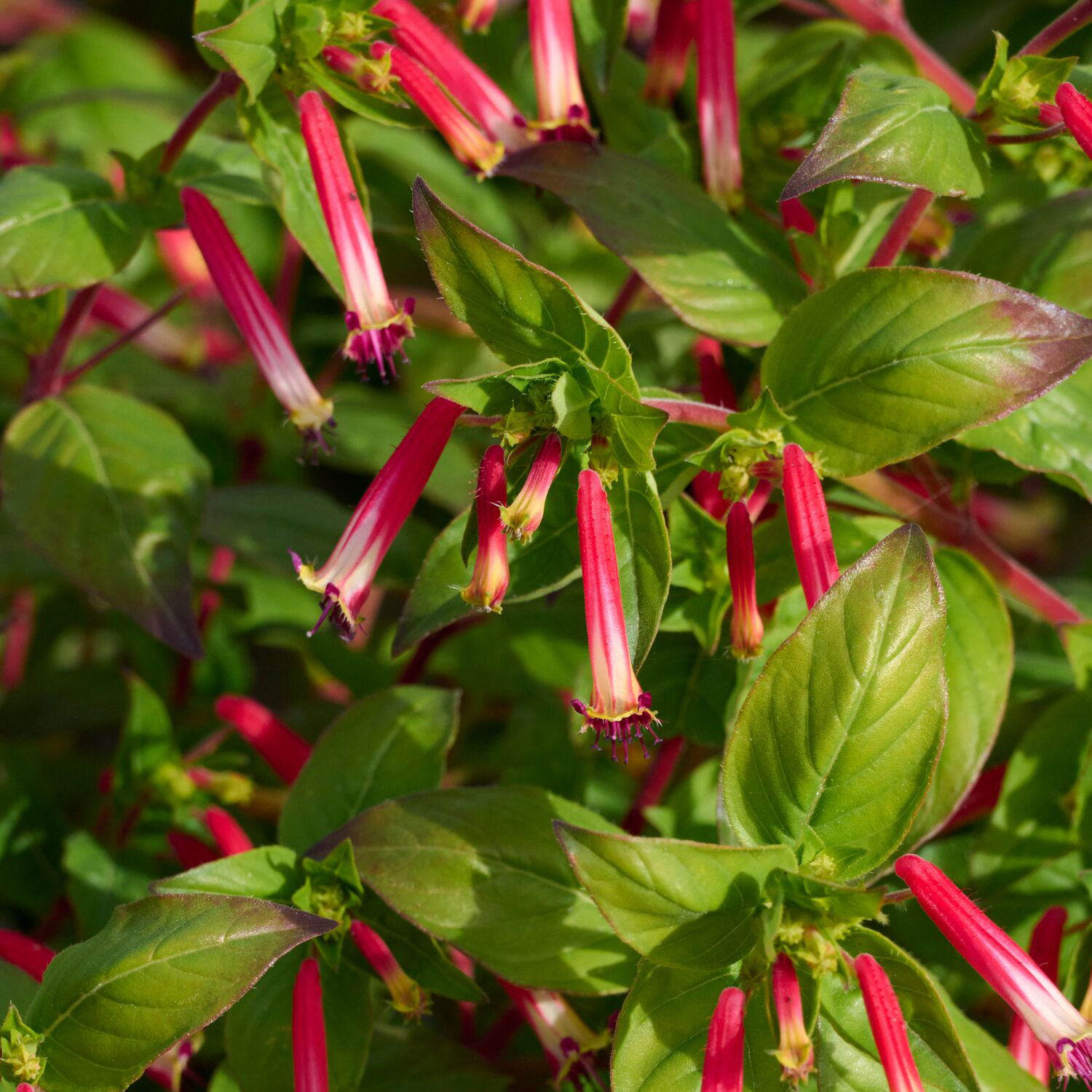
Hummingbird’s
Lunch Cuphea
Non-stop summer-to-fall blooms attract hummingbirds, bees, and butterflies. Heat-loving and drought-tolerant once established, this tidy, rounded plant is ideal for containers or garden beds. Full sun. Up to 2' tall, 3' wide. Zones 8-11, or grow as annual.
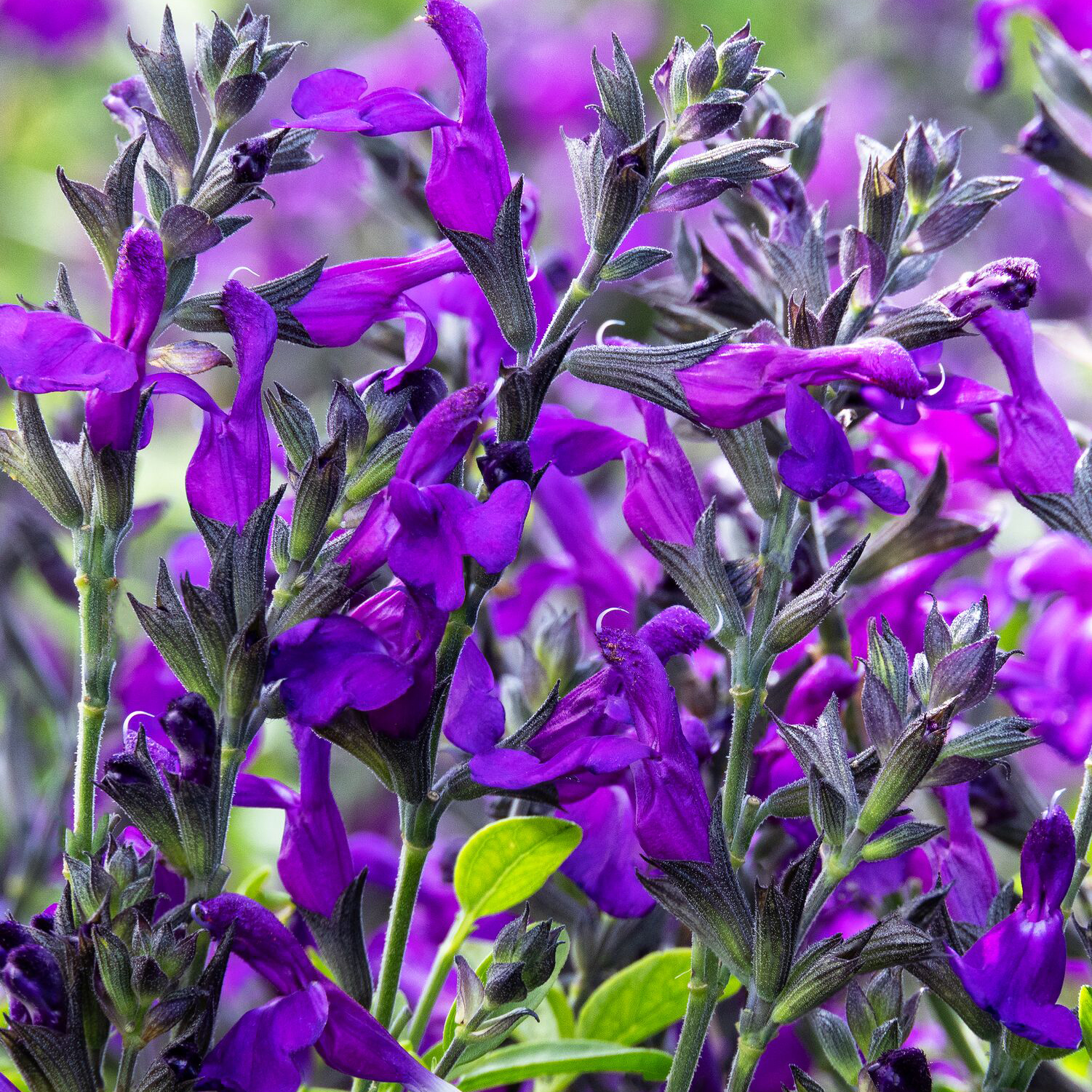
Visional
Purple Salvia
This compact salvia bursts with hummingbird-attracting blooms all summer, featuring deep purple flowers and a mounded form. A pollinator favorite, it shines in garden borders or as a standout container plant. Full sun. Up to 16" tall and wide. Zones 7-11.
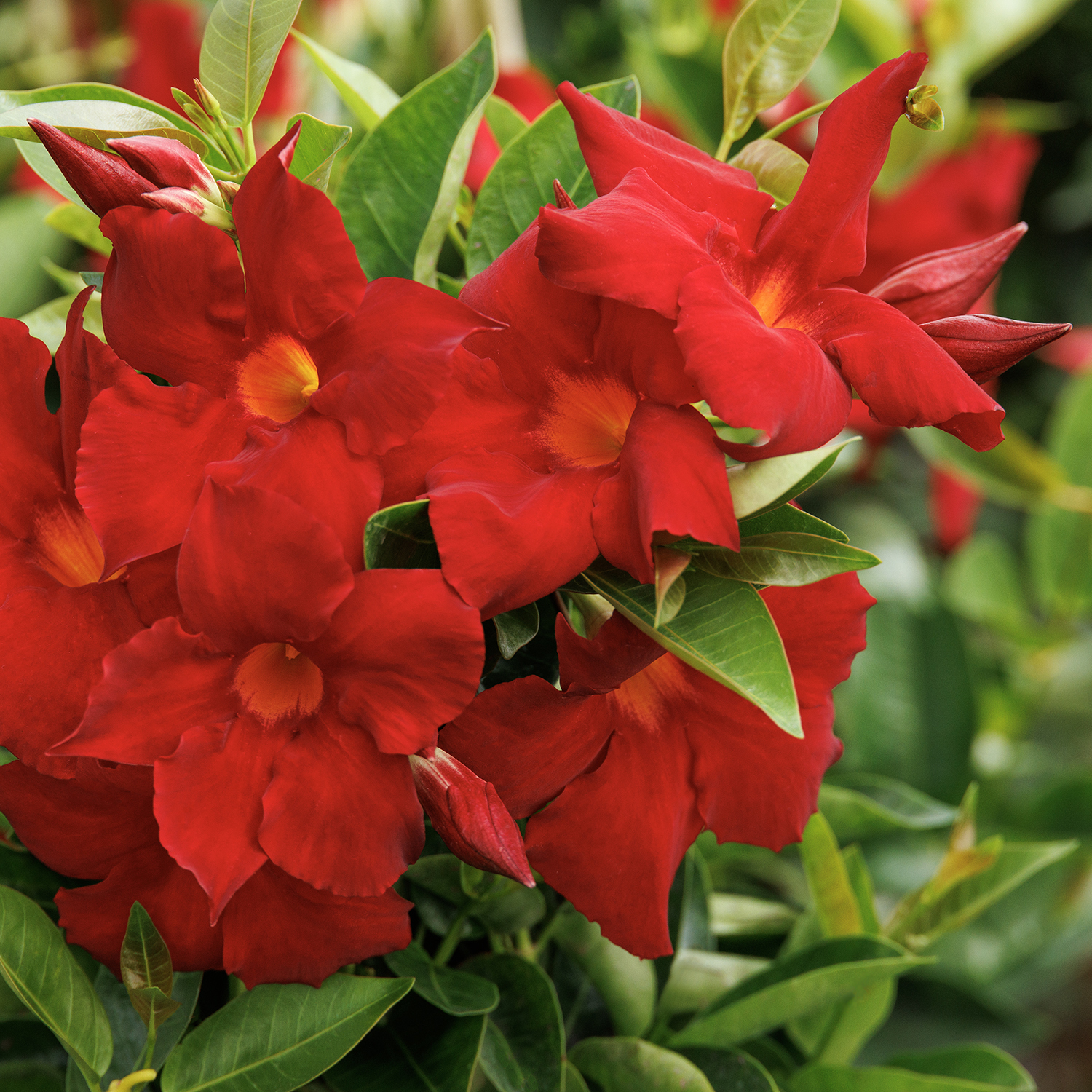
Sunvilla® Giant
Red Mandevilla
Extra-large red flowers with sunny yellow throats that act as magnets for hummingbirds. Plus, they bloom longer without fading on this vigorous, glossy-leaved vine. Perfect for trellises, arbors, or spilling gracefully over fences. Part to full sun. Up to 20' long. Zones 9-11, or grow as annual.
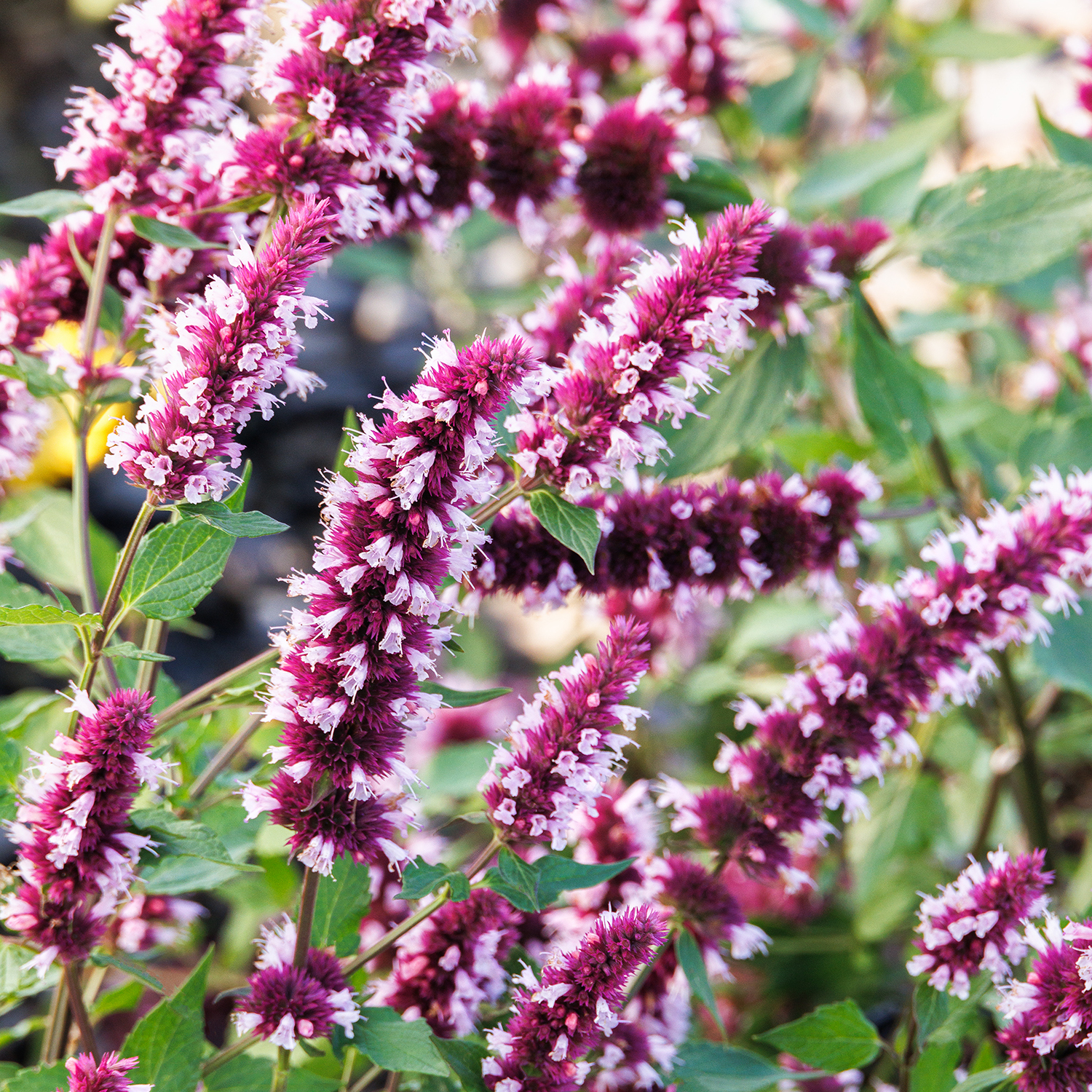
Beelicious® Pink
Agastache
Compact and floriferous, this plant brings in pollinators with pinkish-purple blooms from early summer to fall. Full sun. 32" tall, 20" wide. Zones 6-10.
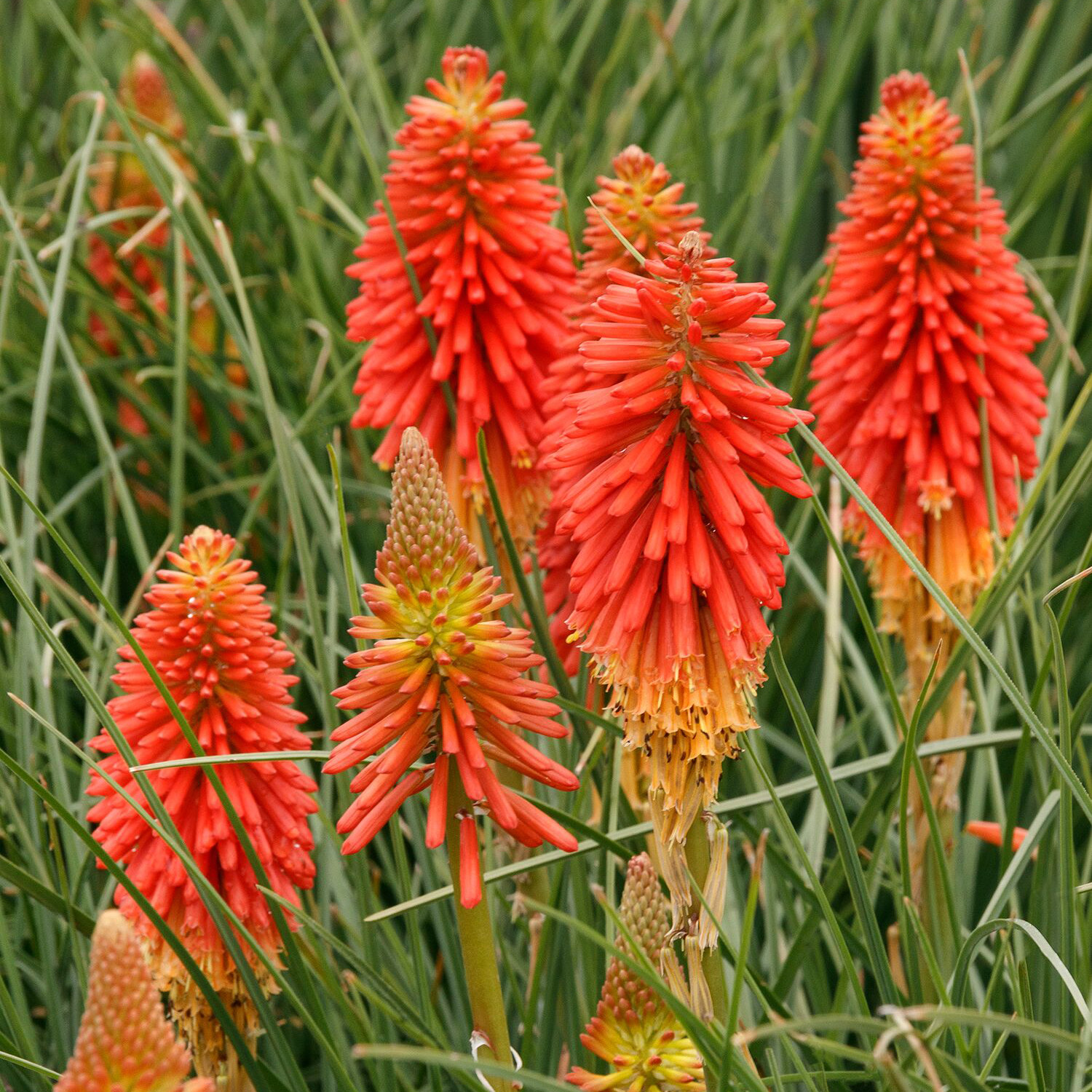
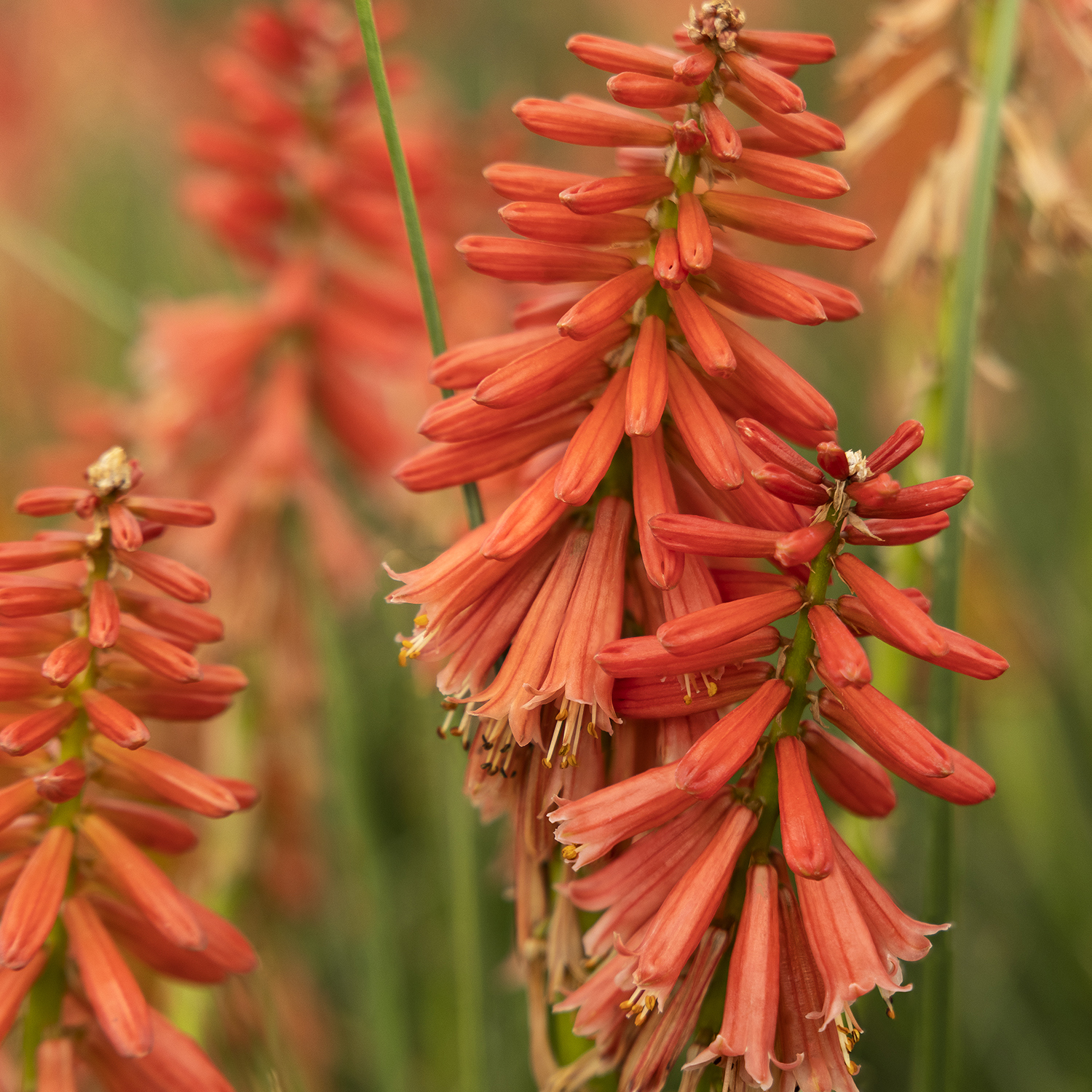
Poco™ Sunset
Hot Poker
Covered in bright, tubular blooms on tidy mounds, making them perfect for border plantings and smaller spaces. Full sun. Up to 23" tall, 16" wide. Zones 6-9.
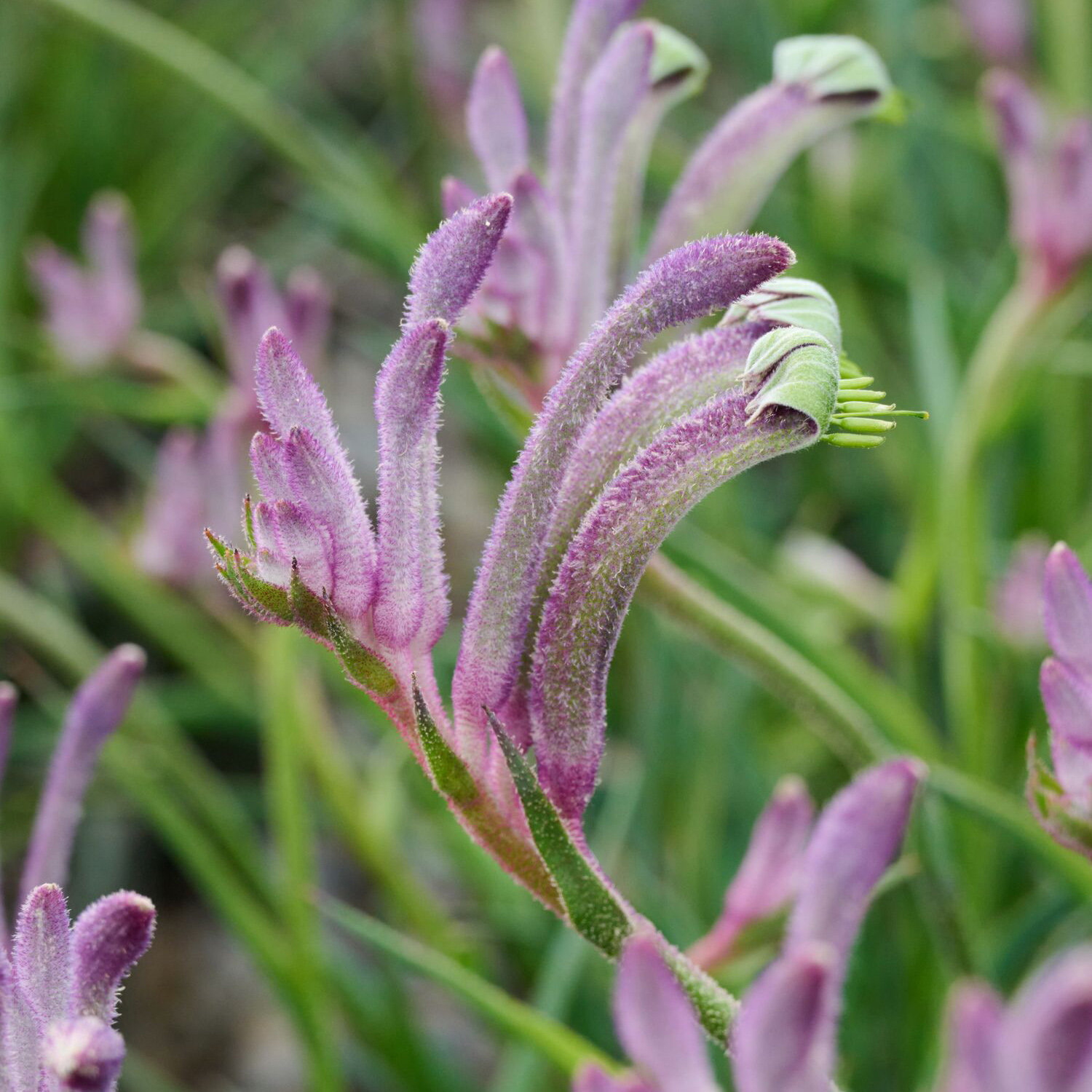
Celebrations™ Carnival
Kangaroo Paw
This tough, drought-resistant perennial provides vibrant color with clusters of unique, fuzzy, soft-purple flowers that open to show their green inside. Part to full sun. Up to 16" tall, 20" wide. Zones 9-11.
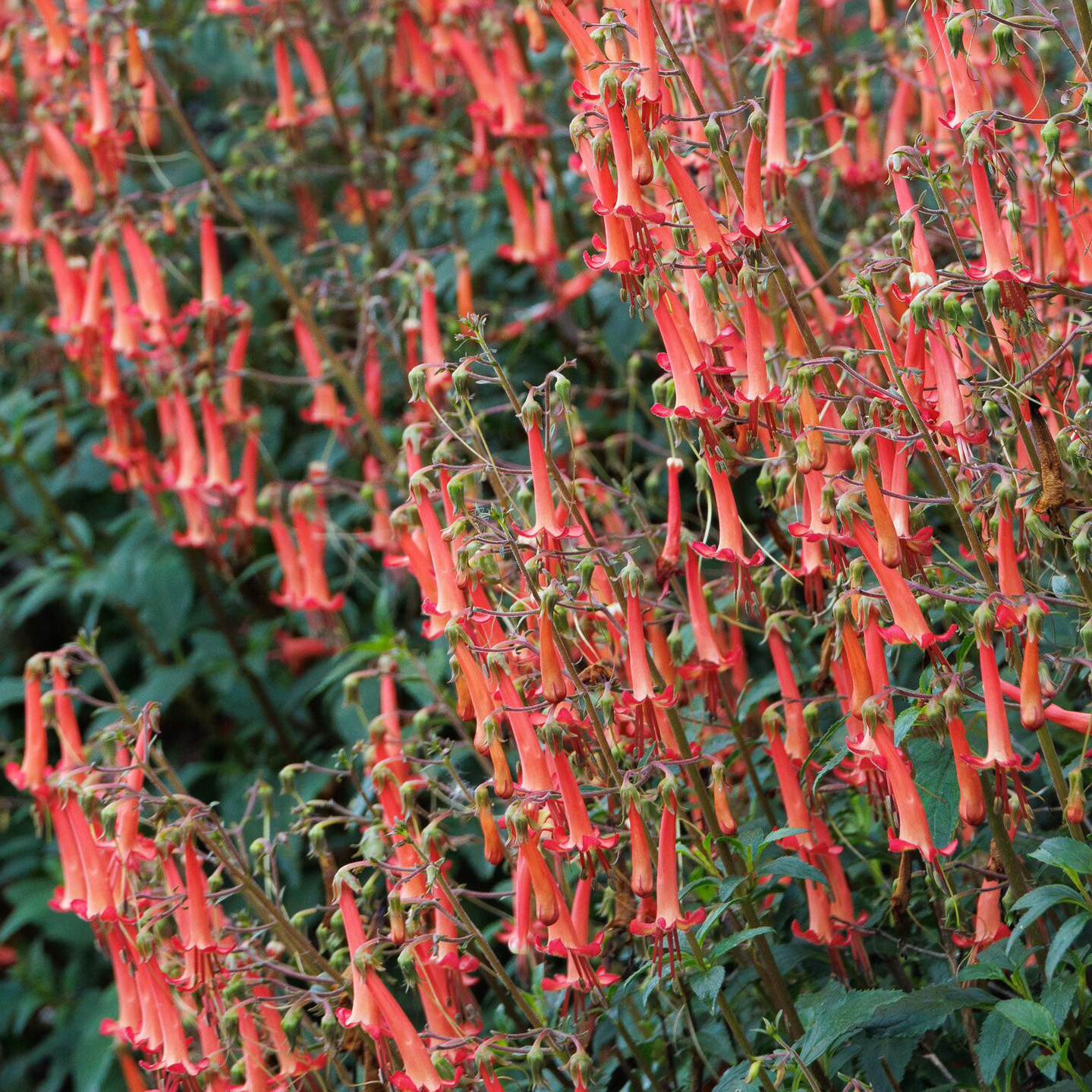
Colorburst™ Orange
Cape Fuchsia
A favorite among hummingbirds, Cape Fuchsia blooms repeatedly and works beautifully in containers or low beds. Also in orange, rose, yellow, and red. Part shade to part sun. Up to 3' tall, 2' wide. Zones 6-10.
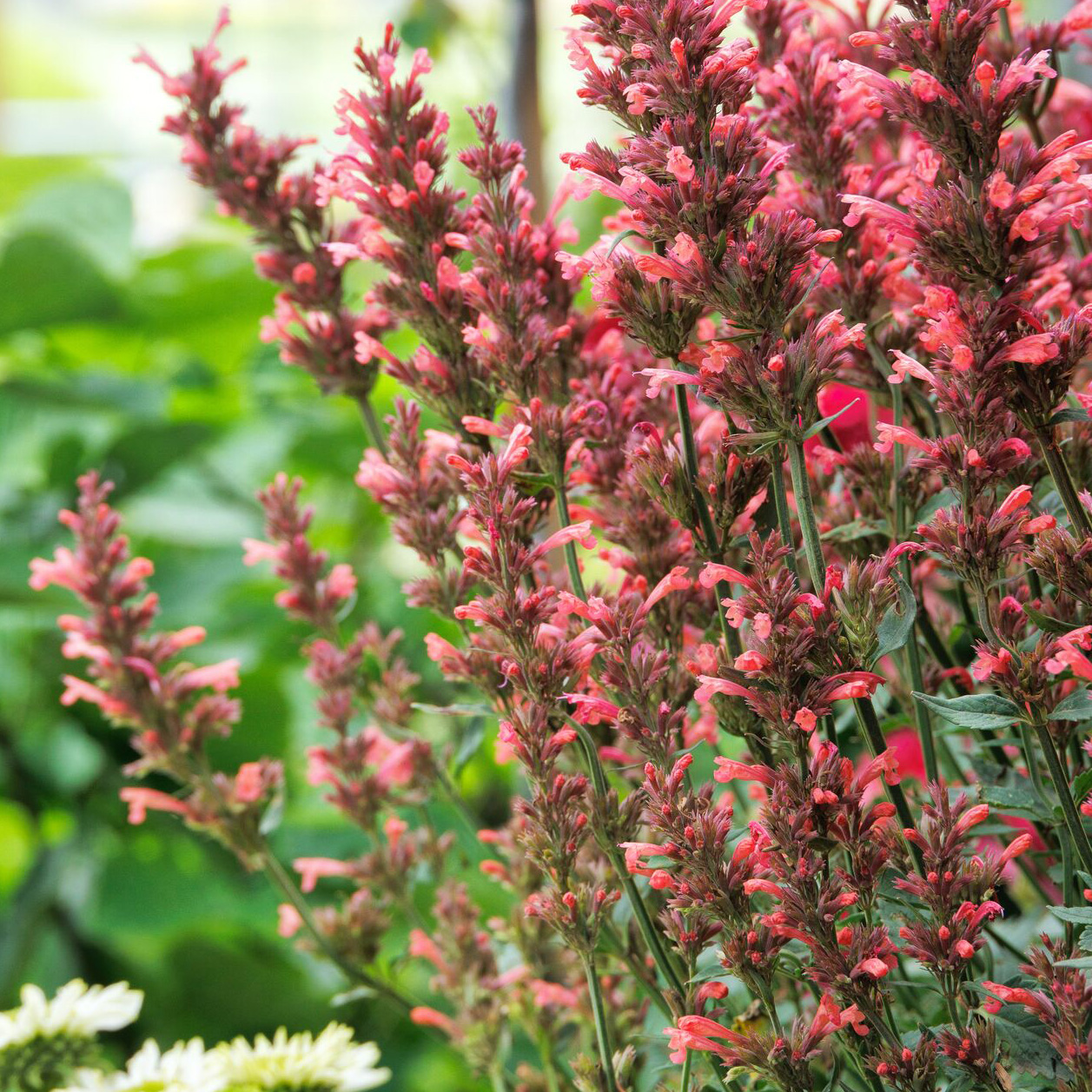
Summerlong™ Coral
Agastache
A full, bushy, early-blooming variety. Abundant flower spikes attract butterflies, hummingbirds, and bees. Full sun. Up to 22" tall and wide. Zones 7-10.
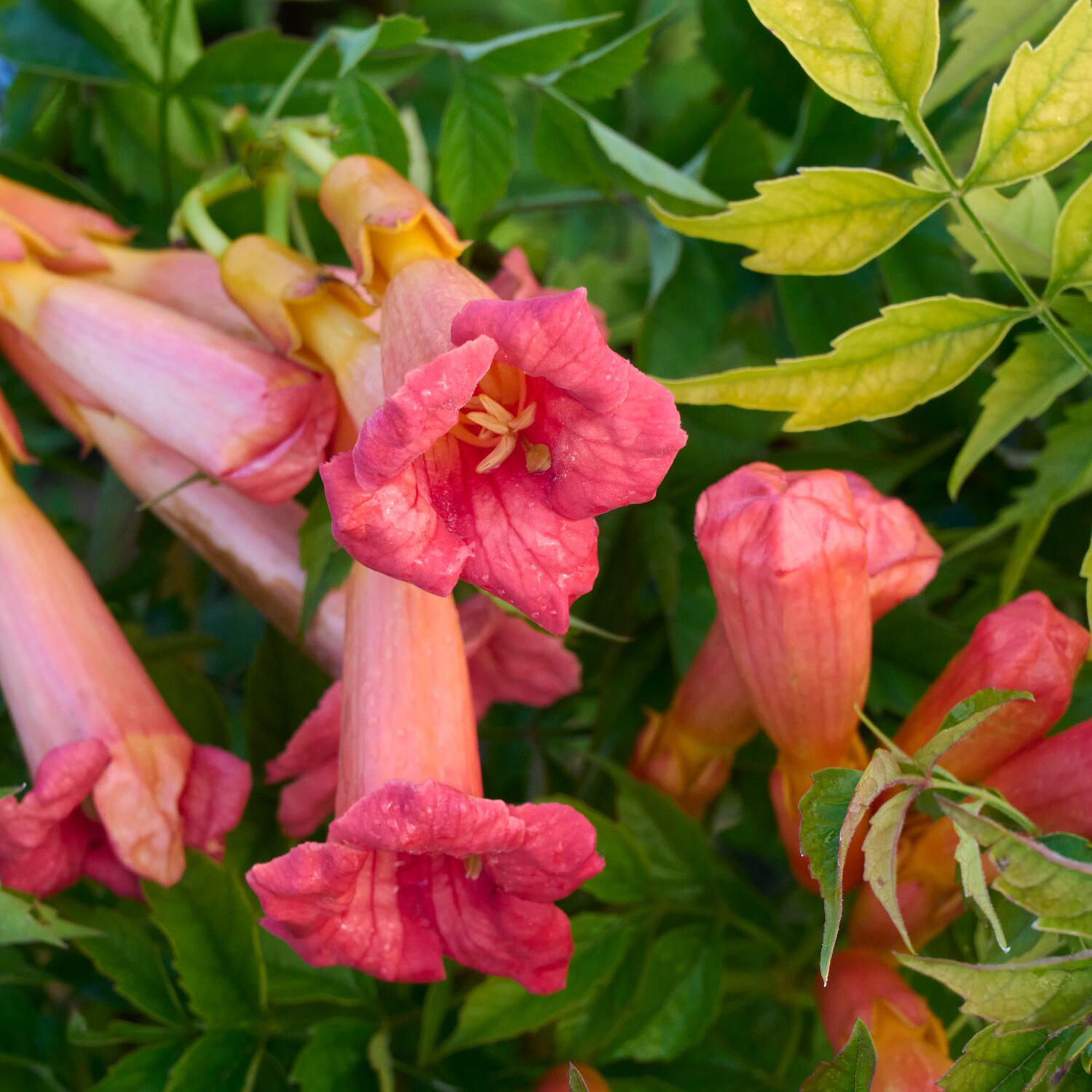
Balboa Sunset®
Trumpet Vine
A vigorous vine that drips with large, trumpet-shaped blooms in orange-red—a classic hummingbird magnet. Full sun. Quickly reaches up to 30' with support. Zones 4-11.
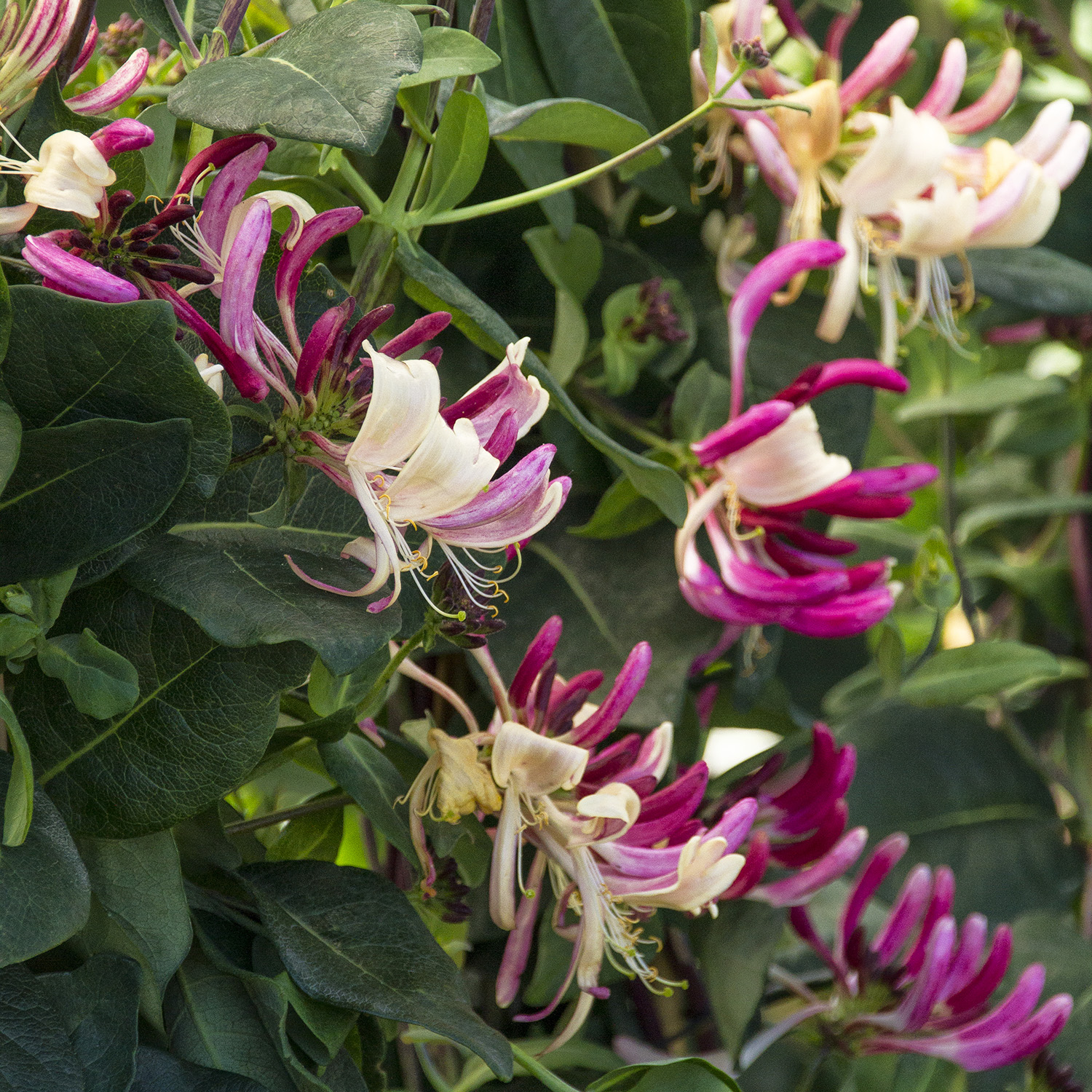
Peaches and Cream
Honeysuckle
This exciting, new, compact honeysuckle blooms from spring through summer with vibrant flowers that exude a wonderful fragrance. Resists mildew and tolerates heat, drought, and humidity better than other varieties. Part to full sun. 5 to 6' tall. Zones 4-9.
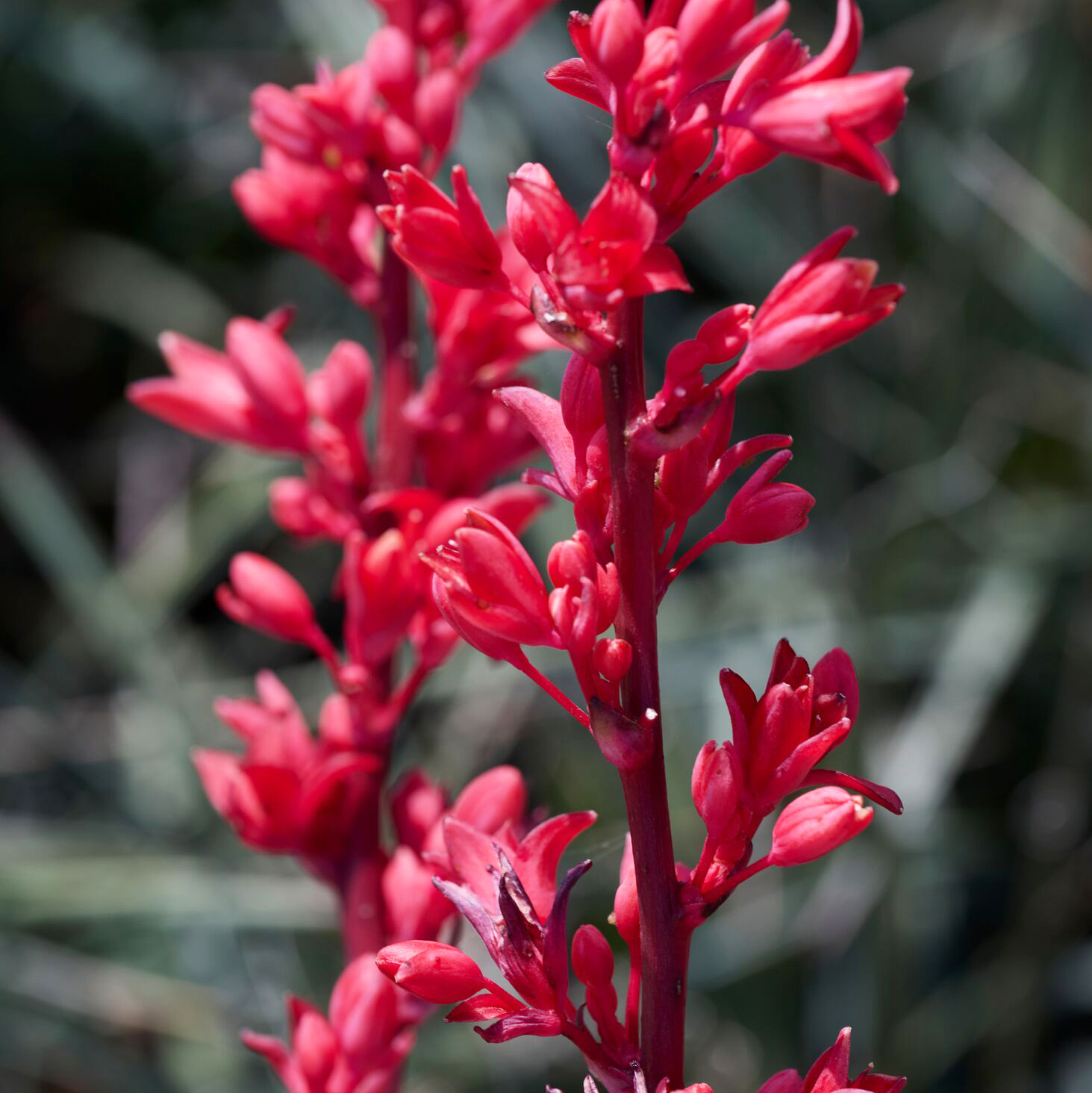
Stoplights
Red Yucca
A compact yucca-like plant with soft, green leaves. The tubular flowers are a favorite of hummingbirds and many pollinators. This desert plant thrives in poor soils and hot, arid climates. Full sun. Up to 2' tall and wide, flowers to 3' tall. Zones 5-11.
Hummingbird Garden Landscape Plan
Creating a hummingbird-friendly garden is easier than you think! With the right combination of nectar-rich plants, a thoughtful layout, and seasonal blooms, you can design and plant a vibrant outdoor space that attracts these tiny pollinators year after year.
Use this hummingbird garden landscape plan from our Best Landscape Plans project guide, as well as our expert design tips to get started. Whether you have a small patio or a spacious backyard, these guidelines will help you craft a lush, inviting habitat that keeps hummingbirds coming back for more.
Hummingbird Garden Landscape Plan
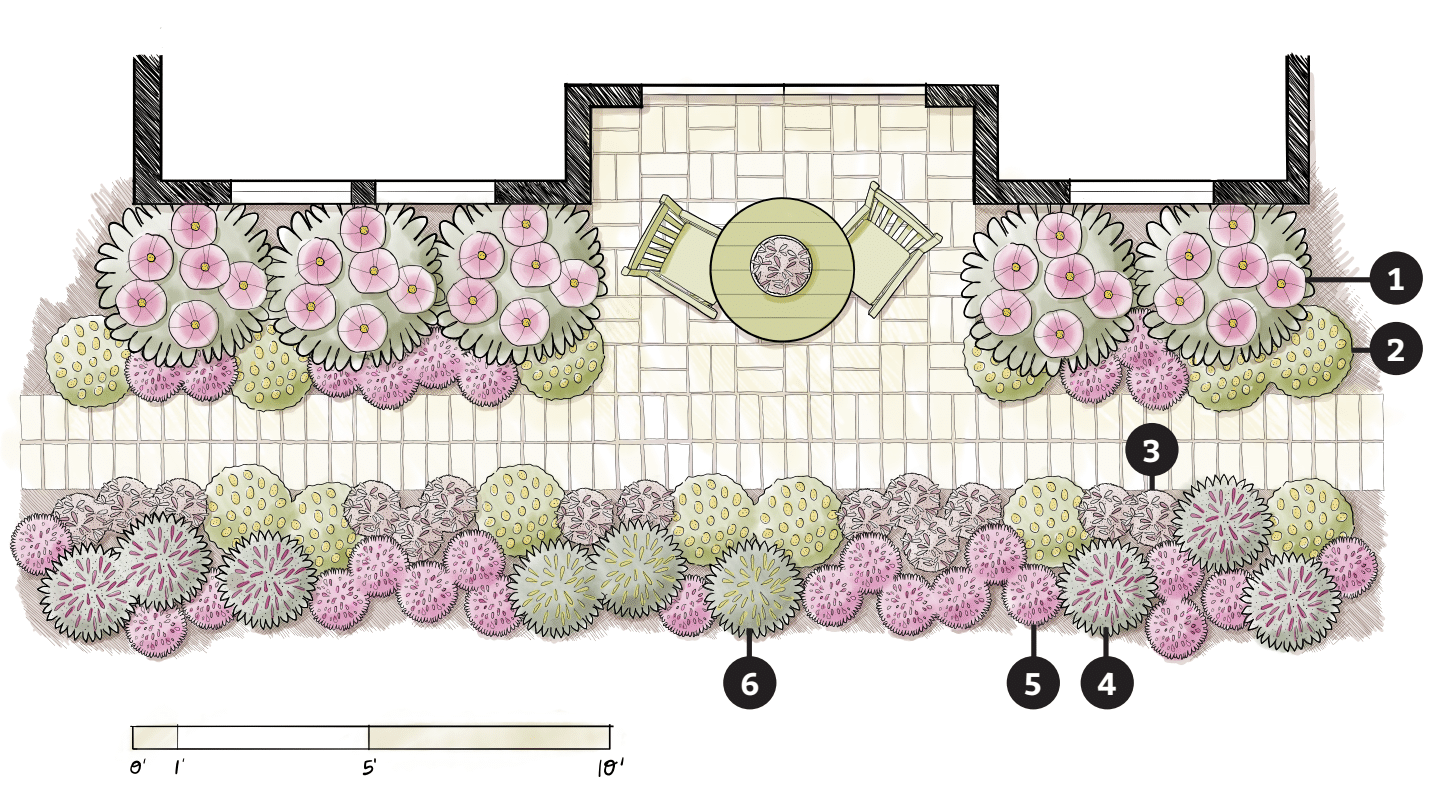
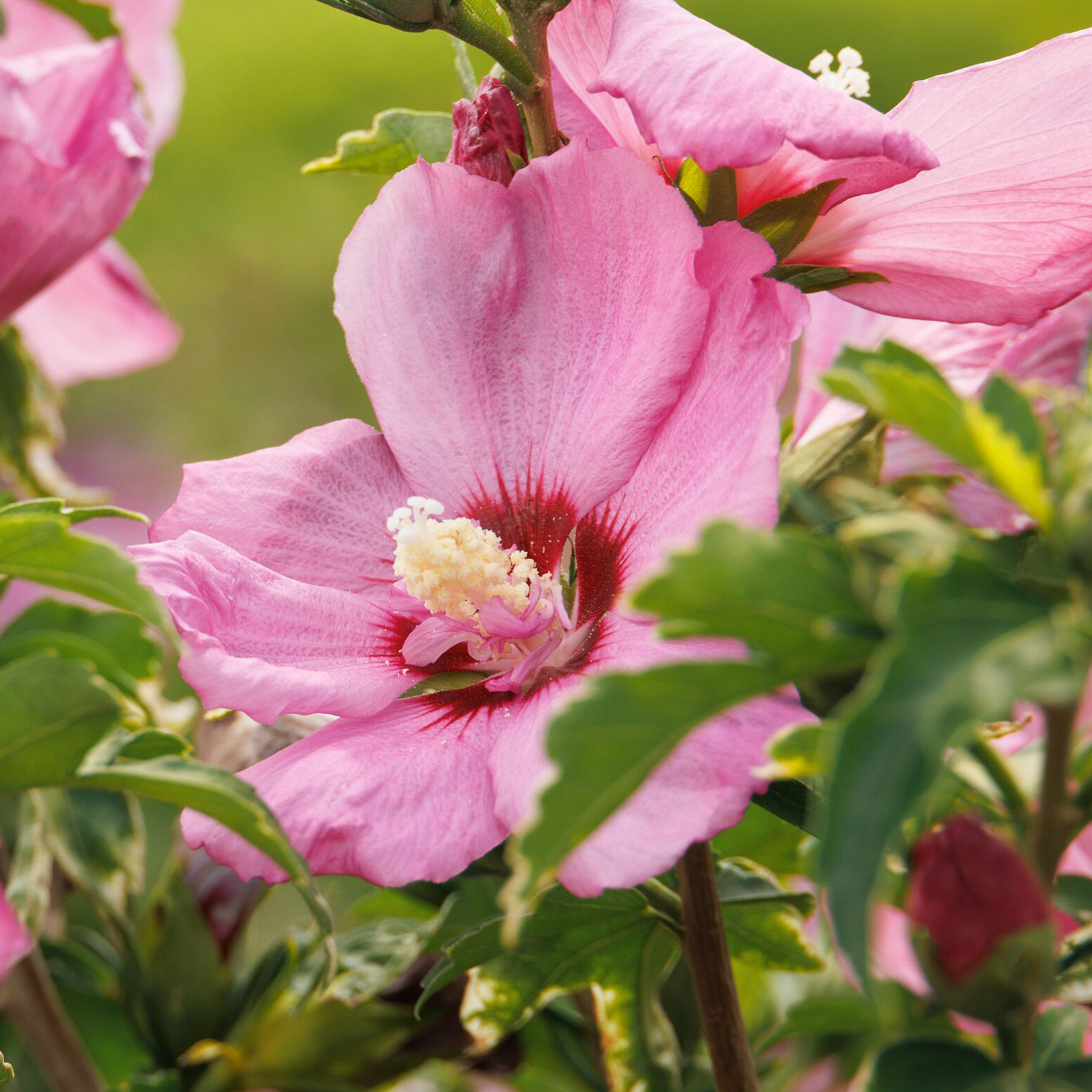
1. Chateau® de Chambord
Rose of Sharon
A profusion of large, showy, rose-hued blooms each distinguished by a deep red-violet center and prominent stamen will cover the stems from top to bottom. Part to full sun. Up to 6' tall, 4' wide. Zones 5-9.
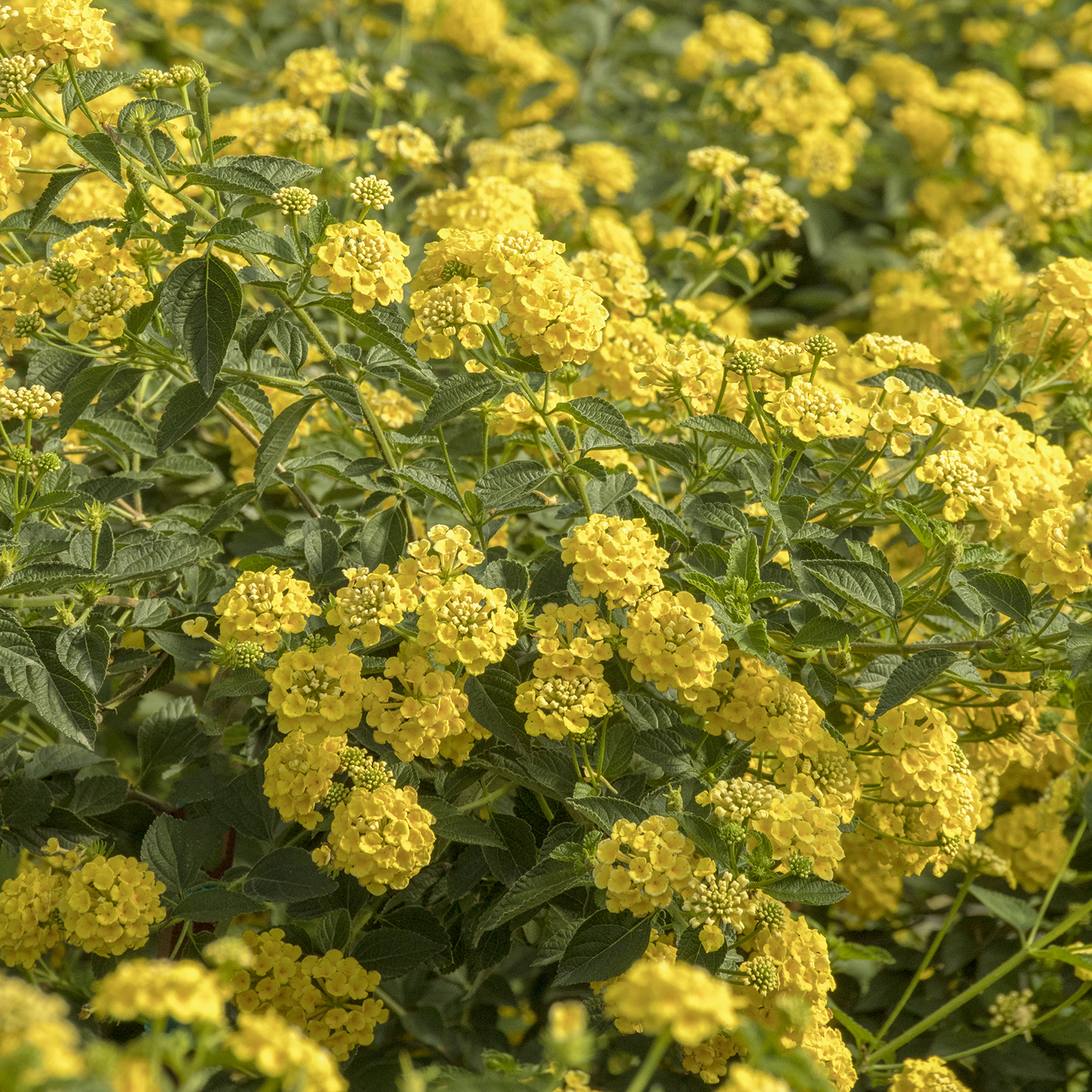
2. Chapel Hill
Yellow Lantana
An exceptionally cold hardy selection with a natural spreading habit to brighten flower beds or mass as a ground cover. Evergreen in frost-free climates. Full sun. Up to 18” tall, 36” wide. Zones 7-11.
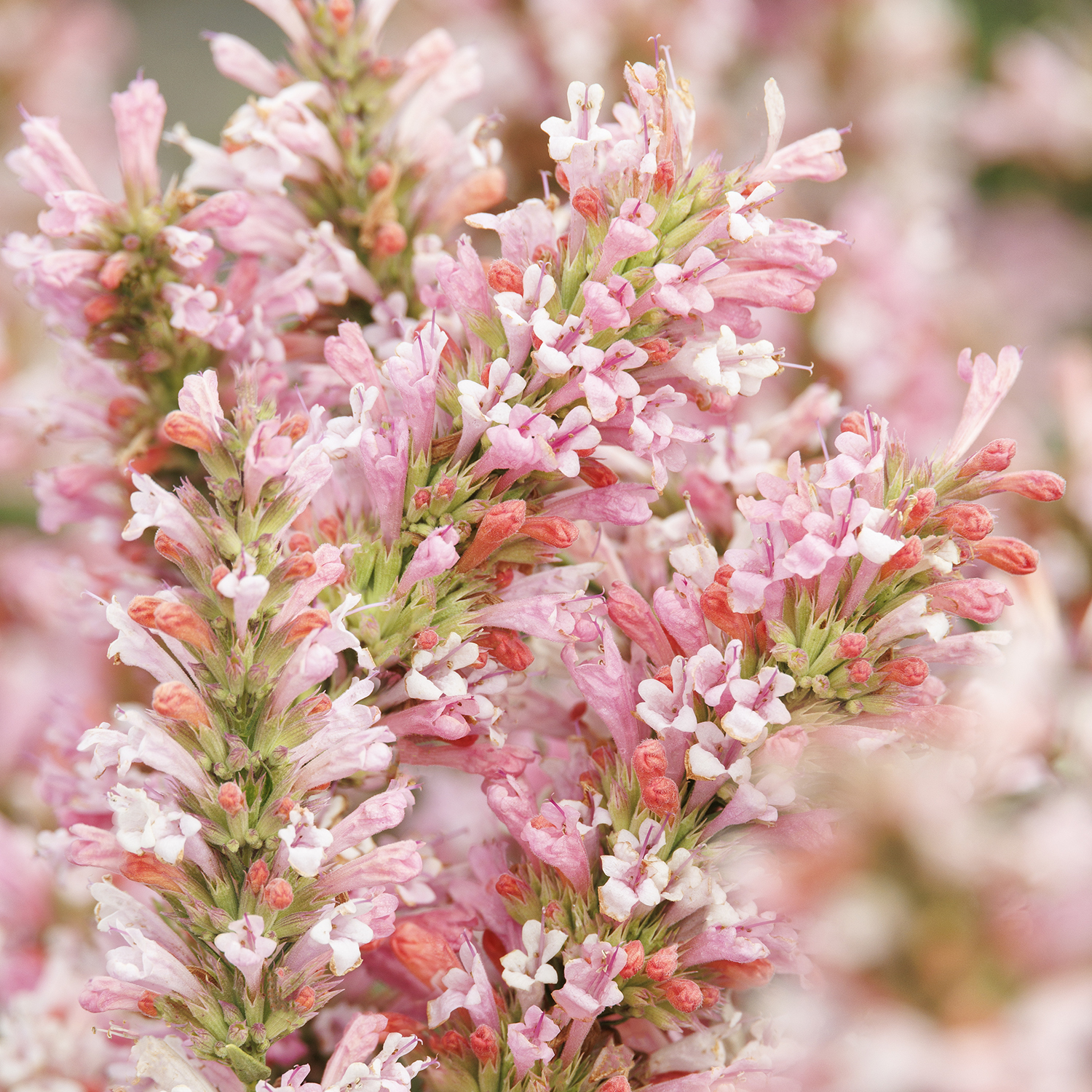
3. Pink Pearl
Agastache
A compact variety with spikes of light pink flowers pair with darker buds for a lovely two-tone effect from late spring to frost. Full sun. Up to 16” tall and wide. Zones 6-10.
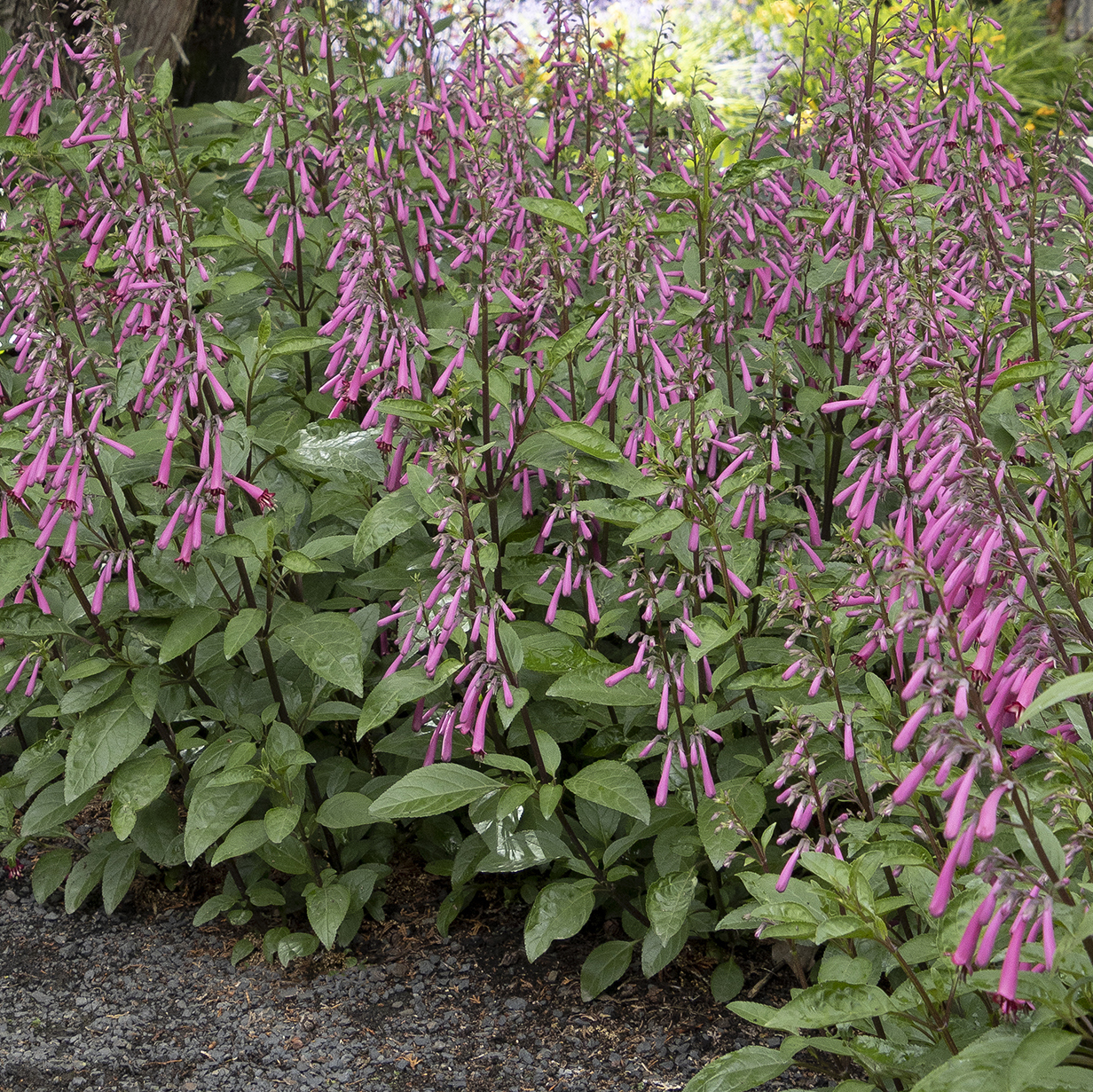
4. Colorburst™ Rose
Cape Fuchsia
A sure winner with handsome, bushy foliage, and a seemingly endless supply of tubular, curved, nectar-rich, showy pink flower clusters. Part shade to part sun. Up to 3’ tall, 2’ wide. Zones 6-10.
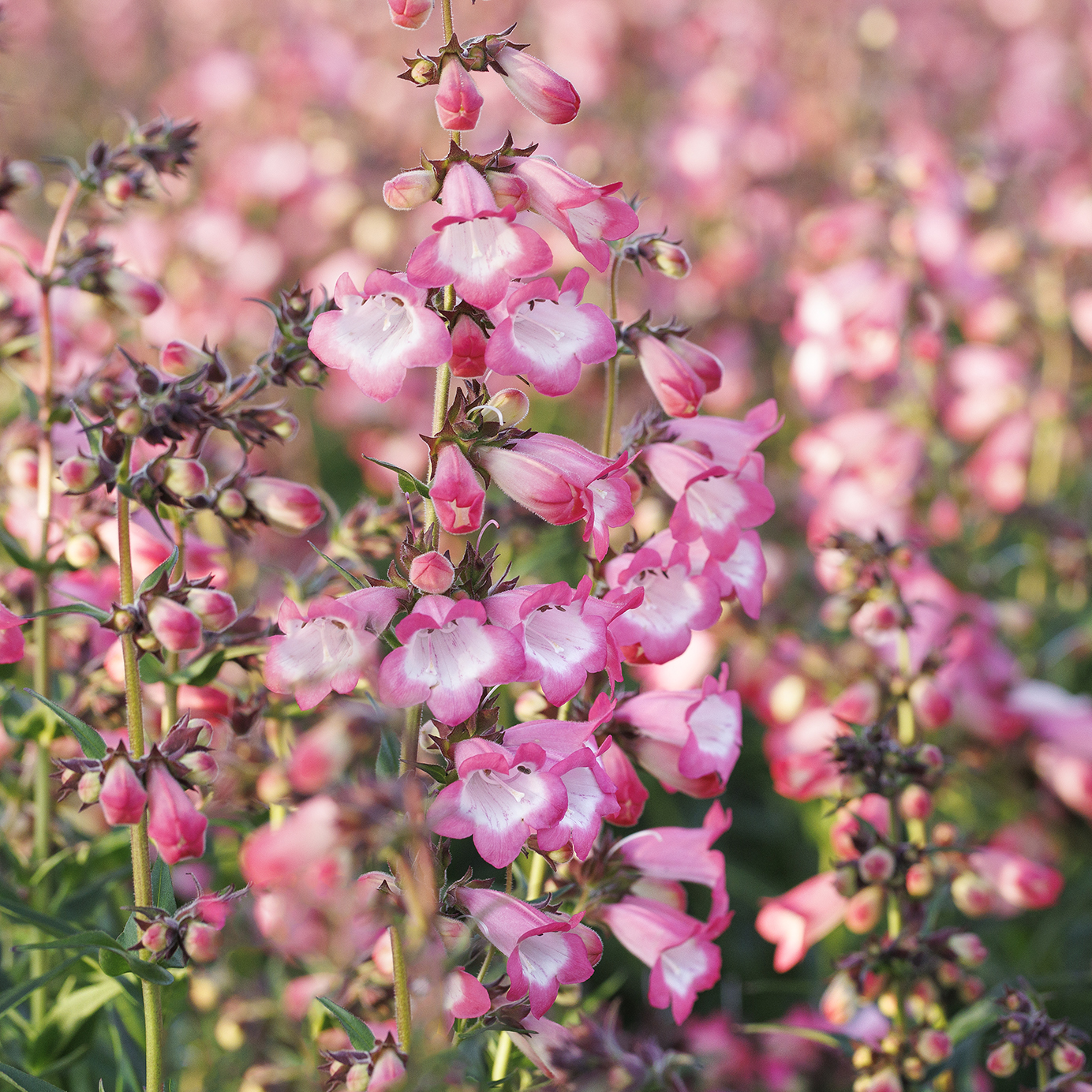
5. Harlequin™ Pink
Beardtongue
Produces a profusion of tall, upright spikes of bright pink flowers that bloom on a bushy, compact, vigorous, and disease-resistant plant. Full sun. Up to 22” tall, 16” wide. Zones 5-9.
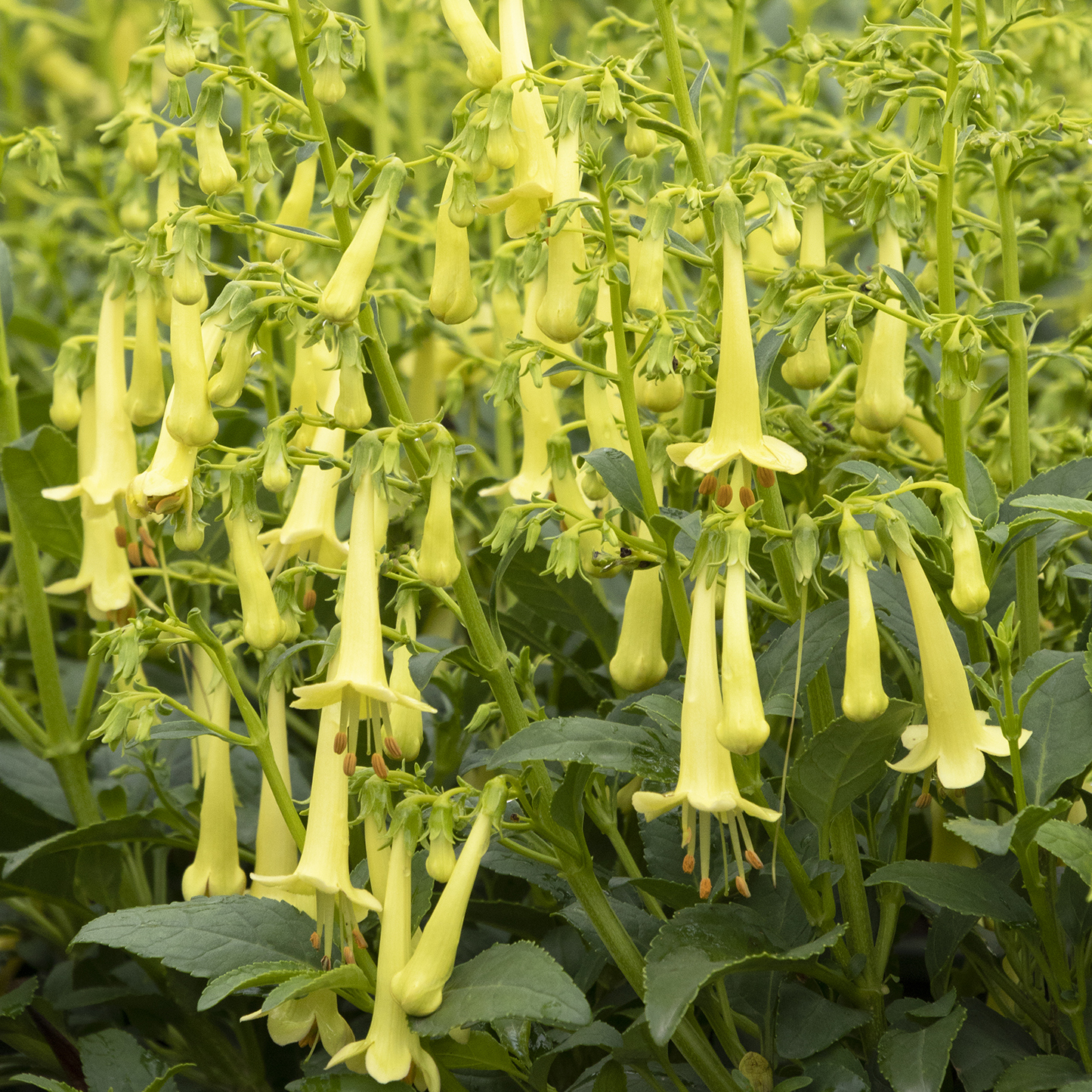
6. Colorburst™ Yellow
Cape Fuchsia
Adds unexpected delight with its height, lush foliage, and abundant nectar-rich yellow flowers. Part shade to part sun. Up to 3’ tall, 2’ wide. Zones 6-10.
Learn More About Gardening For Hummingbirds, Birds, and Pollinators
- Find our award-winning Backyard Habitat Guide for free here, and sign up for our newsletter to get first access to upcoming digital guides.
- Take a look at the pollinator section of the blog for a variety of stories about pollinator-friendly gardening
- More Hummingbird Landscape Plants
- Plant a Berry Garden for Winter Birds
- Modern Meadow: A fresh take on pollinator garden design
- What to Plant to Attract Butterflies, Hummingbirds, and Bees
- Ask an Expert: Best Pollinator Plants for the Garden
- Beneficial Insects for a Healthy Garden: A Visual Guide
- Best Early-Spring Flowering Plants to Attract Pollinators
- 10 Early-Blooming, Cold-Hardy Plants for Pollinators
- Late Summer and Fall-Blooming Perennials
- Grow a Pollinator Border
- Sign up for our Grow Beautifully newsletter. You'll get more design inspiration, garden tips, how-tos, and first access to exclusive guides, webinars, and plants.
Ready to Grow?
Ship Monrovia plants directly to your door. Browse a curated selection available online.
Shop Now >