
You're growing in this Zip Code:
Discover Plants for Your Area


Cape Rush
Chondropetalum tectorum
Pronunciation: kon-dro-PET-a-lum tek-TO-rum
SKU #03864
LIGHT:
Full sun
WATER:
Water when top 2 inches of soil is dry.
SIZE:
Slow growing to 2 to 3 ft. high, equal spread.

Retailers Near You
Ready to Grow?
Ship Monrovia plants directly to your door. Browse a curated selection available online.
Shop Now >This Plant's Growing Zones: 8-10
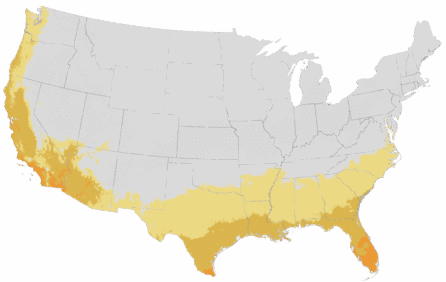
Your USDA Cold Hardiness Zone:



| Description | Small, unique plant forms broad clumps of thin erect jointed stems; excellent used in mass plantings or as a garden specimen. Highly adaptable, it accepts relatively dry conditions or wet ares such as the shallows of a pond. Useful in seaside gardens. Evergreen. |
|---|---|
| Bloom Time | Inconspicuous |
| Deciduous/Evergreen | Evergreen |
| Special Features | Easy Care |
| Problems/Solutions | Coastal Exposure, Deer Resistant, Erosion Control |
| Growth Rate | Slow |
| Growth Habit | Clumping |
| Flower Attributes | Showy Flowers |
| Landscape Use | Border, Poolside |
| Design Ideas | Cape rush is particularly well suited to the shores of water gardens and pools, particularly around boulders and in conjunction with rock waterfalls. Really lends the illusion of water in a dry stream bed. Super cool in swanky pots for both Asian and modern garden styles. A versatile plant that offers fine textured interest to broadleaf compositions. |
| Flower Color | Brown |
| Foliage Color | Green |
| Companion Plants | Combine cape rush with other rugged heat lovers such as Navajo White Autumn Sage, (Salvia greggii 'Navajo White'), Red Rocks Penstemon, (Penstemon x mexicali 'Red Rocks'), Little Ollie Dwarf Olive, (Olea europea 'Montra') and Otto Quast Spanish Lavender, (Lavandula stoechas 'Otto Quast'). |
| Care Instructions | Tolerates a wide range of soil types. Follow a regular watering schedule during the first growing season to establish a deep, extensive root system. For a neat appearance, remove old foliage before new leaves emerge. Divide clumps every 2 to 3 years in early spring. |
| History | This unique rush is native to the South African Cape region at the tip of the continent. It is dioecious with separate male and female plants. The genus falls into the newly formed Restio family which is comprised of about 15 genera. The species is found in the wetlands between Clanwilliam and Port Elisableth and can grow to six feet in wild stands. Notoriously difficult to propagate, efforts by the Kirstenbosch Garden have finally brought the plant to the American market. |
| Lore | This rush is a valuable roof thatching material within its southern African range. |
Details
| Description | Small, unique plant forms broad clumps of thin erect jointed stems; excellent used in mass plantings or as a garden specimen. Highly adaptable, it accepts relatively dry conditions or wet ares such as the shallows of a pond. Useful in seaside gardens. Evergreen. |
|---|---|
| Bloom Time | Inconspicuous |
| Deciduous/Evergreen | Evergreen |
| Special Features | Easy Care |
| Problems/Solutions | Coastal Exposure, Deer Resistant, Erosion Control |
| Growth Rate | Slow |
| Growth Habit | Clumping |
| Flower Attributes | Showy Flowers |
Style
| Landscape Use | Border, Poolside |
|---|---|
| Design Ideas | Cape rush is particularly well suited to the shores of water gardens and pools, particularly around boulders and in conjunction with rock waterfalls. Really lends the illusion of water in a dry stream bed. Super cool in swanky pots for both Asian and modern garden styles. A versatile plant that offers fine textured interest to broadleaf compositions. |
| Flower Color | Brown |
| Foliage Color | Green |
| Companion Plants | Combine cape rush with other rugged heat lovers such as Navajo White Autumn Sage, (Salvia greggii 'Navajo White'), Red Rocks Penstemon, (Penstemon x mexicali 'Red Rocks'), Little Ollie Dwarf Olive, (Olea europea 'Montra') and Otto Quast Spanish Lavender, (Lavandula stoechas 'Otto Quast'). |
Care
| Care Instructions | Tolerates a wide range of soil types. Follow a regular watering schedule during the first growing season to establish a deep, extensive root system. For a neat appearance, remove old foliage before new leaves emerge. Divide clumps every 2 to 3 years in early spring. |
|---|
History
| History | This unique rush is native to the South African Cape region at the tip of the continent. It is dioecious with separate male and female plants. The genus falls into the newly formed Restio family which is comprised of about 15 genera. The species is found in the wetlands between Clanwilliam and Port Elisableth and can grow to six feet in wild stands. Notoriously difficult to propagate, efforts by the Kirstenbosch Garden have finally brought the plant to the American market. |
|---|---|
| Lore | This rush is a valuable roof thatching material within its southern African range. |
Retailers Near You
About Us
We have been pioneers and craftsmen in the art of growing plants for 100 years. Since our founding in Southern California by Harry E. Rosedale, Sr. in 1926, we have been absolutely dedicated and obsessed with quality.
We have been pioneers and craftsmen in the art of growing plants for nearly 100 years. Since our founding in Southern California by Harry E. Rosedale, Sr. in 1926, we have been absolutely dedicated and obsessed with quality.