
You're growing in this Zip Code:
Change LocationDiscover Plants for Your Area
Fernspray False Cypress
Chamaecyparis obtusa 'Filicoides'
Pronunciation: kam-e-SIP-a-ris ob-tu-SA
SKU #02390
LIGHT:
Full sun
WATER:
Water when top 2 inches of soil is dry.
SIZE:
Slowly reaches 8 to 12 ft. tall, 3 to 4 ft. wide.

Retailers Near You
Ready to Grow?
Ship Monrovia plants directly to your door. Browse a curated selection available online.
Shop Now >
| Description | An attractive small evergreen tree with an open and irregular, narrow pyramidal form and gracefully curved limbs holding handsome fern-like green foliage. A wonderful specimen for an Asian-themed garden. Excellent for use in large planters or as an entryway accent. |
|---|---|
| Bloom Time | Conifer; prized for foliage. |
| Deciduous/Evergreen | Evergreen |
| Special Features | Easy Care |
| Growth Rate | Slow |
| Landscape Use | Border, Container, Hedge, Privacy Screen |
| Foliage Color | Green |
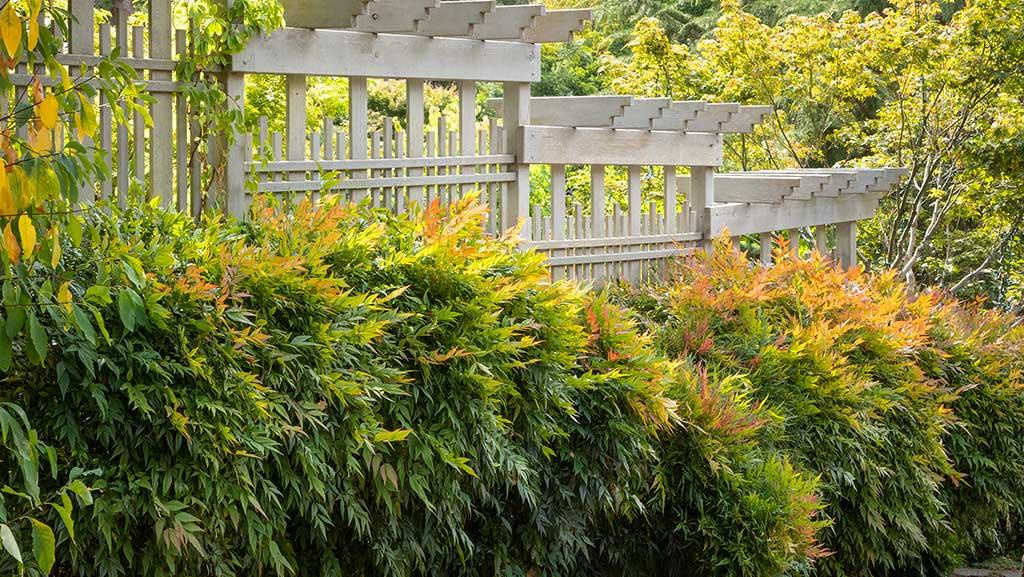
| Companion Plants | Camellia (Camellia); Azalea (Azalea); Japanese Maple (Acer palmatum); Heavenly Bamboo (Nandina); Pine (Pinus); Hosta (Hosta) |
| Care Instructions | Provide average to fertile, neutral to acidic, well-drained soil. Shelter from harsh wind. Water deeply, regularly in first few growing seasons to develop an extensive root system. Prefers humidity and ample moisture; withstands brief dry spells when established. Feed before new growth begins in spring. Prune only as needed to shape. |
| History | Chamaecyparis obtusa originated in Japan. This species and its cultivars are still fairly uncommon in North American gardens. The specific cultivar name 'filicoides' comes from the Latin word 'filix', meaning fernlike, and the Greek - 'oides', meaning resemblance. It is also sometimes referred to as Fernspray Hinoki Cypress, |
| Lore | The species Chamaecyparis obtusa is known in Japan as hinoki - hence this smaller variety with its fernlike sprays of foliage is also sometimes referred to as fernspray hinoki false cypress. Hinoki is a highly significant tree in Japan, having been revered for many centuries not just for its highly resilient wood used to build shrines, temples and bathing tubs, but for the fragrant essential oils of its bark, wood and foliage. |
Details
| Description | An attractive small evergreen tree with an open and irregular, narrow pyramidal form and gracefully curved limbs holding handsome fern-like green foliage. A wonderful specimen for an Asian-themed garden. Excellent for use in large planters or as an entryway accent. |
|---|---|
| Bloom Time | Conifer; prized for foliage. |
| Deciduous/Evergreen | Evergreen |
| Special Features | Easy Care |
| Growth Rate | Slow |
Style
| Landscape Use | Border, Container, Hedge, Privacy Screen |
|---|---|
| Foliage Color | Green |
| Companion Plants | Camellia (Camellia); Azalea (Azalea); Japanese Maple (Acer palmatum); Heavenly Bamboo (Nandina); Pine (Pinus); Hosta (Hosta) |
Care
| Care Instructions | Provide average to fertile, neutral to acidic, well-drained soil. Shelter from harsh wind. Water deeply, regularly in first few growing seasons to develop an extensive root system. Prefers humidity and ample moisture; withstands brief dry spells when established. Feed before new growth begins in spring. Prune only as needed to shape. |
|---|
History
| History | Chamaecyparis obtusa originated in Japan. This species and its cultivars are still fairly uncommon in North American gardens. The specific cultivar name 'filicoides' comes from the Latin word 'filix', meaning fernlike, and the Greek - 'oides', meaning resemblance. It is also sometimes referred to as Fernspray Hinoki Cypress, |
|---|---|
| Lore | The species Chamaecyparis obtusa is known in Japan as hinoki - hence this smaller variety with its fernlike sprays of foliage is also sometimes referred to as fernspray hinoki false cypress. Hinoki is a highly significant tree in Japan, having been revered for many centuries not just for its highly resilient wood used to build shrines, temples and bathing tubs, but for the fragrant essential oils of its bark, wood and foliage. |
Retailers Near You
About Us
We have been pioneers and craftsmen in the art of growing plants for 100 years. Since our founding in Southern California by Harry E. Rosedale, Sr. in 1926, we have been absolutely dedicated and obsessed with quality.
We have been pioneers and craftsmen in the art of growing plants for nearly 100 years. Since our founding in Southern California by Harry E. Rosedale, Sr. in 1926, we have been absolutely dedicated and obsessed with quality.