
You're growing in this Zip Code:
Change LocationDiscover Plants for Your Area
Gold Rush Dawn Redwood
Metasequoia glyptostroboides 'Gold Rush'
Pronunciation: met-uh-see-KWOY-uh glip-toh-stroh-BOY-deez
SKU #03616
LIGHT:
Full sun
WATER:
Water when top 3 inches of soil is dry.
SIZE:
Reaches 50 ft. tall, 20 ft. wide in 20 years; 80 to 100 ft. tall with age.

Retailers Near You
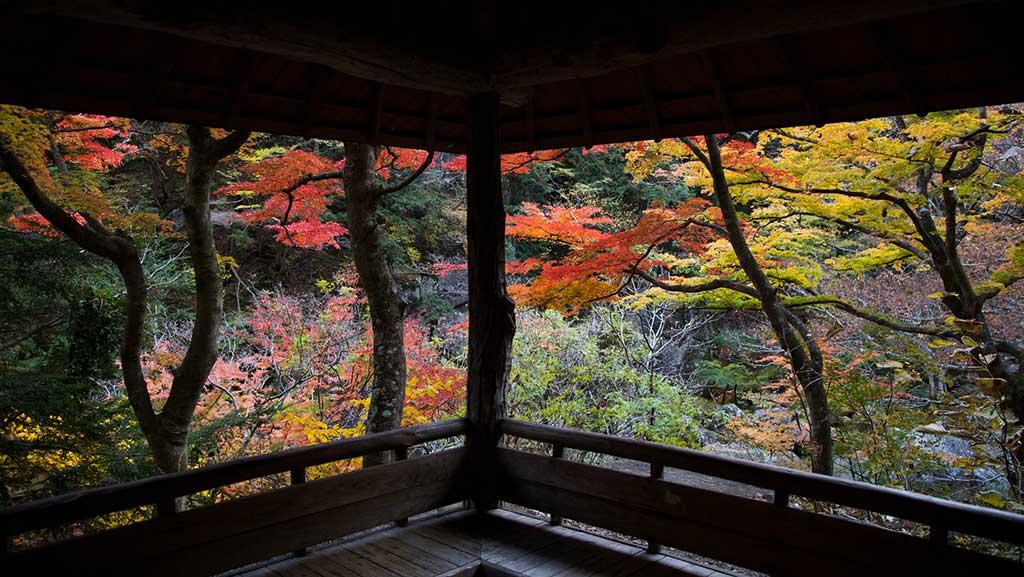

| Description | This fast-growing, pyramidal conifer has soft fern-like gold foliage that tends to not burn in full sun. In spring, the needles emerge nearly chartreuse-yellow, hold their color well into summer, then turn orange brown in fall before dropping. Deeply fissured bark provides winter interest. Makes a fine hardy specimen tree. Deciduous. |
|---|---|
| Bloom Time | Conifer; prized for foliage. |
| Deciduous/Evergreen | Deciduous |
| Special Features | Attractive Bark, Dramatic Foliage Color, Easy Care, Fall Color |
| Growth Rate | Moderate |
| Landscape Use | Privacy Screen |
| Design Ideas | Use it as the centerpiece of a jungle-style garden, in traditional woodlands or as part of an Asian scheme. It is most attractive around water gardens but beware of needle litter. Best used as a single specimen out in the natural landscape or treat as a museum piece in a sheltered courtyard or entry garden. |
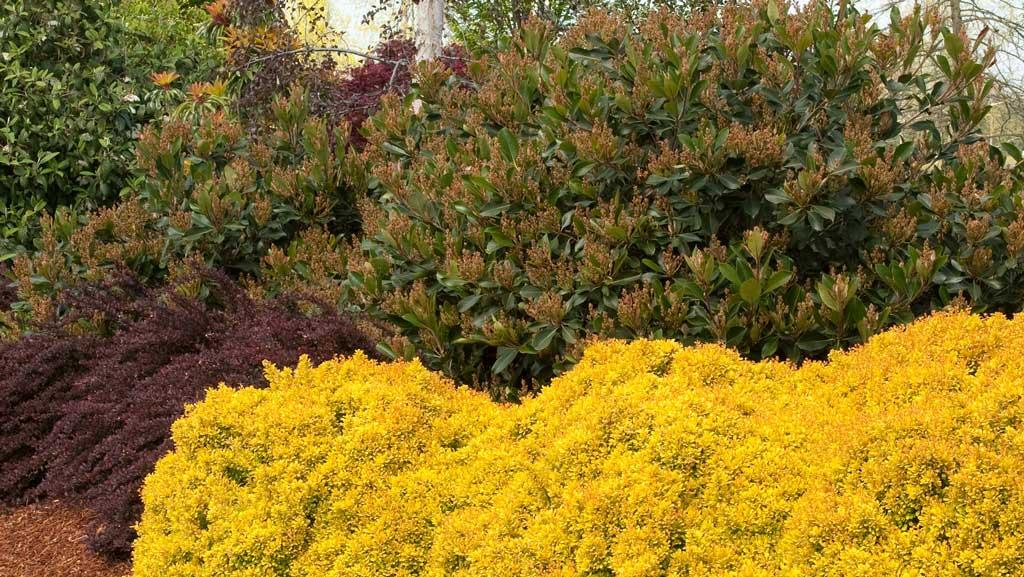
| Foliage Color | Chartreuse |
| Foliage Fall Color | Orange |
| Companion Plants | Maidenhair Tree (Ginkgo); Japanese Maple (Acer); Dogwood (Cornus); Rhododendron (Rhododendron); Astilbe (Astilbe) |
| Care Instructions | Thrives in most soil types but prefers deep, moist, well-drained, slightly acidic soil. Water deeply and regularly during the first few growing seasons to establish an extensive root system; once established, reduce frequency. Feed with a general purpose fertilizer before new growth begins in spring. |
| History | The deciduous Dawn Redwood is indeed a living fossil. Once thought to be extinct, it was discovered in 1944 in China, soon after million year old fossils from Metasequoias were found in Japan. This tree grew on the North American continent over 15 million years ago. Now, it is once again growing on this continent. Michael Dirr once wrote, "This tree provides a case history of perhaps how endangered species should be managed. . . propagate and share." Metasequoia glyptostroboides 'Gold Rush' was found as a seedling in Japan and was named 'Golden Ogi', which means the golden mantle. Dutch horticulturalist Peter Zweinburg brought it to Europe and changed the name to 'Gold Rush'. |
Details
| Description | This fast-growing, pyramidal conifer has soft fern-like gold foliage that tends to not burn in full sun. In spring, the needles emerge nearly chartreuse-yellow, hold their color well into summer, then turn orange brown in fall before dropping. Deeply fissured bark provides winter interest. Makes a fine hardy specimen tree. Deciduous. |
|---|---|
| Bloom Time | Conifer; prized for foliage. |
| Deciduous/Evergreen | Deciduous |
| Special Features | Attractive Bark, Dramatic Foliage Color, Easy Care, Fall Color |
| Growth Rate | Moderate |
Style
| Landscape Use | Privacy Screen |
|---|---|
| Design Ideas | Use it as the centerpiece of a jungle-style garden, in traditional woodlands or as part of an Asian scheme. It is most attractive around water gardens but beware of needle litter. Best used as a single specimen out in the natural landscape or treat as a museum piece in a sheltered courtyard or entry garden. |
| Foliage Color | Chartreuse |
| Foliage Fall Color | Orange |
| Companion Plants | Maidenhair Tree (Ginkgo); Japanese Maple (Acer); Dogwood (Cornus); Rhododendron (Rhododendron); Astilbe (Astilbe) |
Care
| Care Instructions | Thrives in most soil types but prefers deep, moist, well-drained, slightly acidic soil. Water deeply and regularly during the first few growing seasons to establish an extensive root system; once established, reduce frequency. Feed with a general purpose fertilizer before new growth begins in spring. |
|---|
History
| History | The deciduous Dawn Redwood is indeed a living fossil. Once thought to be extinct, it was discovered in 1944 in China, soon after million year old fossils from Metasequoias were found in Japan. This tree grew on the North American continent over 15 million years ago. Now, it is once again growing on this continent. Michael Dirr once wrote, "This tree provides a case history of perhaps how endangered species should be managed. . . propagate and share." Metasequoia glyptostroboides 'Gold Rush' was found as a seedling in Japan and was named 'Golden Ogi', which means the golden mantle. Dutch horticulturalist Peter Zweinburg brought it to Europe and changed the name to 'Gold Rush'. |
|---|
Retailers Near You
About Us
We have been pioneers and craftsmen in the art of growing plants for 100 years. Since our founding in Southern California by Harry E. Rosedale, Sr. in 1926, we have been absolutely dedicated and obsessed with quality.
We have been pioneers and craftsmen in the art of growing plants for nearly 100 years. Since our founding in Southern California by Harry E. Rosedale, Sr. in 1926, we have been absolutely dedicated and obsessed with quality.