
You're growing in this Zip Code:
Change LocationDiscover Plants for Your Area
Ice Dance Japanese Sedge
Carex morrowii 'Ice Dance'
Pronunciation: KAR-reks mor-ROW-ee-eye
SKU #03583
LIGHT:
Filtered sun, Partial shade, Partial sun
WATER:
Keep soil consistently moist.
SIZE:
Reaches 1 ft. tall, spreading slowly by rhizomes to form a carpet.

Retailers Near You
Ready to Grow?
Ship Monrovia plants directly to your door. Browse a curated selection available online.
Shop Now >
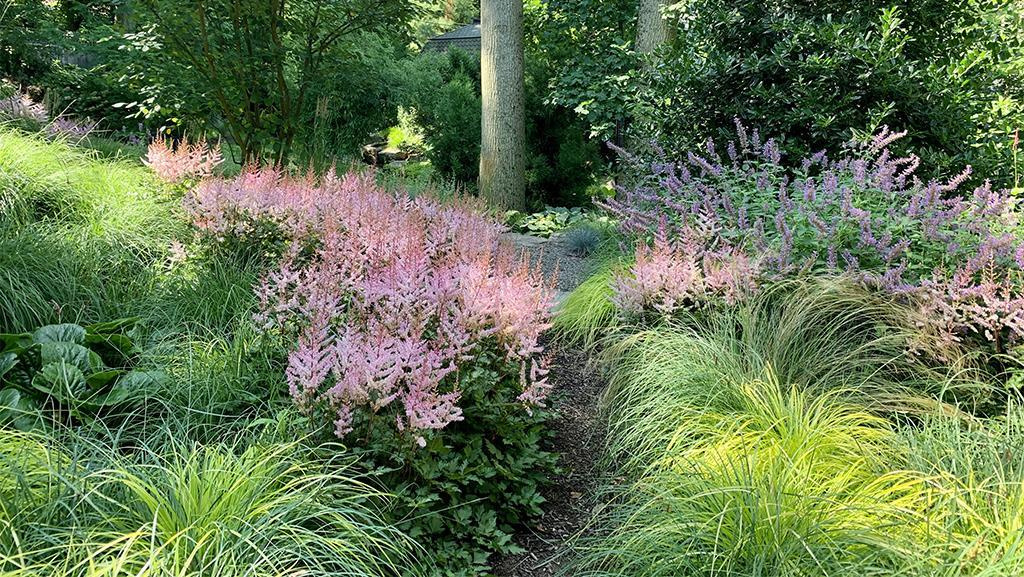
| Description | A lush mound of slender, bright green leaves with strong creamy white margins that will brighten woodland gardens, water gardens and shady borders. Spreads gently by underground stems (rhizomes) to create a dense mat of foliage. An easy growing, non-invasive groundcover. Semi-evergreen. |
|---|---|
| Bloom Time | Inconspicuous; prized for foliage. |
| Deciduous/Evergreen | Semi-Evergreen |
| Special Features | Dramatic Foliage Color, Easy Care |
| Problems/Solutions | Deer Resistant, Erosion Control, Rabbit Resistant, Very Wet Areas |
| Growth Rate | Slow |
| Landscape Use | Border, Container, Ground Cover, Edging |
| Design Ideas | An exceptional choice for Asian inspired gardens and to cover ground in native and wild gardens. |
| Flower Color | Brown |
| Foliage Color | Variegated |
| Companion Plants | Clethra (Clethra); Foam Flower (Tiarella); Iris (Iris); Cardinal Flower (Lobelia); Sweetspire (Itea); Turtlehead (Chelone) |
| Care Instructions | Thrives in enriched, loamy, moist, well-drained soils. Tolerates sun in cool coastal settings; site in part sun or dappled shade elsewhere. Water deeply, regularly in first growing season to establish root system; once established, maintain evenly moist soil. For a tidy appearance, remove faded foliage before new leaves emerge. |
| History | This plant was selected by horticulturist Barry Yinger during a collection trip to Japan and was introduced in the U.S. by Hines Nursery in 1996. It was the recepient of the Outstanding Plant Award from the International Hardy Plant Union |
Details
| Description | A lush mound of slender, bright green leaves with strong creamy white margins that will brighten woodland gardens, water gardens and shady borders. Spreads gently by underground stems (rhizomes) to create a dense mat of foliage. An easy growing, non-invasive groundcover. Semi-evergreen. |
|---|---|
| Bloom Time | Inconspicuous; prized for foliage. |
| Deciduous/Evergreen | Semi-Evergreen |
| Special Features | Dramatic Foliage Color, Easy Care |
| Problems/Solutions | Deer Resistant, Erosion Control, Rabbit Resistant, Very Wet Areas |
| Growth Rate | Slow |
Style
| Landscape Use | Border, Container, Ground Cover, Edging |
|---|---|
| Design Ideas | An exceptional choice for Asian inspired gardens and to cover ground in native and wild gardens. |
| Flower Color | Brown |
| Foliage Color | Variegated |
| Companion Plants | Clethra (Clethra); Foam Flower (Tiarella); Iris (Iris); Cardinal Flower (Lobelia); Sweetspire (Itea); Turtlehead (Chelone) |
Care
| Care Instructions | Thrives in enriched, loamy, moist, well-drained soils. Tolerates sun in cool coastal settings; site in part sun or dappled shade elsewhere. Water deeply, regularly in first growing season to establish root system; once established, maintain evenly moist soil. For a tidy appearance, remove faded foliage before new leaves emerge. |
|---|
History
| History | This plant was selected by horticulturist Barry Yinger during a collection trip to Japan and was introduced in the U.S. by Hines Nursery in 1996. It was the recepient of the Outstanding Plant Award from the International Hardy Plant Union |
|---|
Frequently asked questions
Does Ice Dance Japanese Sedge produce flowers?
Inconspicuous; prized for foliage.
Is Ice Dance Japanese Sedge evergreen or deciduous?
Ice Dance Japanese Sedge is Semi-Evergreen.
What are the special features of Ice Dance Japanese Sedge?
Ice Dance Japanese Sedge is Dramatic Foliage Color, Easy Care.
Is Ice Dance Japanese Sedge resistant to pests or animals?
Deer Resistant, Erosion Control, Rabbit Resistant, Very Wet Areas
How fast does Ice Dance Japanese Sedge grow?
Ice Dance Japanese Sedge has a Slow growth rate.
Where can I use Ice Dance Japanese Sedge in my landscape?
Ice Dance Japanese Sedge is suitable for: Border, Container, Ground Cover, Edging.
How can I use Ice Dance Japanese Sedge in my garden design?
An exceptional choice for Asian inspired gardens and to cover ground in native and wild gardens.
What color are Ice Dance Japanese Sedge flowers?
Ice Dance Japanese Sedge produces Brown flowers.
What color is the foliage of Ice Dance Japanese Sedge?
Ice Dance Japanese Sedge has Variegated foliage.
What plants grow well with Ice Dance Japanese Sedge?
Good companion plants for Ice Dance Japanese Sedge include: Clethra (Clethra); Foam Flower (Tiarella); Iris (Iris); Cardinal Flower (Lobelia); Sweetspire (Itea); Turtlehead (Chelone).
How do I care for Ice Dance Japanese Sedge?
Thrives in enriched, loamy, moist, well-drained soils. Tolerates sun in cool coastal settings; site in part sun or dappled shade elsewhere. Water deeply, regularly in first growing season to establish root system; once established, maintain evenly moist soil. For a tidy appearance, remove faded foliage before new leaves emerge.
What is the history of Ice Dance Japanese Sedge?
This plant was selected by horticulturist Barry Yinger during a collection trip to Japan and was introduced in the U.S. by Hines Nursery in 1996. It was the recepient of the Outstanding Plant Award from the International Hardy Plant Union
Retailers Near You
About Us
We have been pioneers and craftsmen in the art of growing plants for 100 years. Since our founding in Southern California by Harry E. Rosedale, Sr. in 1926, we have been absolutely dedicated and obsessed with quality.
We have been pioneers and craftsmen in the art of growing plants for nearly 100 years. Since our founding in Southern California by Harry E. Rosedale, Sr. in 1926, we have been absolutely dedicated and obsessed with quality.