
You're growing in this Zip Code:
Change LocationDiscover Plants for Your Area
Icee Blue® Yellow-Wood
Podocarpus elongatus 'Monmal'
Pronunciation: poh-doh-KAR-pus ee-long-GAH-tus
SKU #08655
LIGHT:
Full sun, Partial sun
WATER:
Water when top 2 inches of soil is dry.
SIZE:
Slow growing; reaches 15 to 25 ft. tall and wide.

Retailers Near You
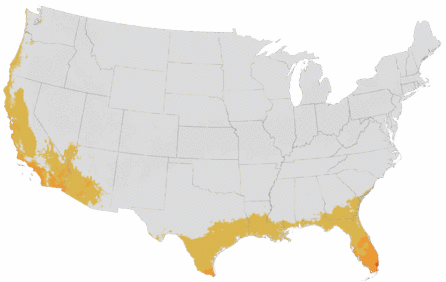

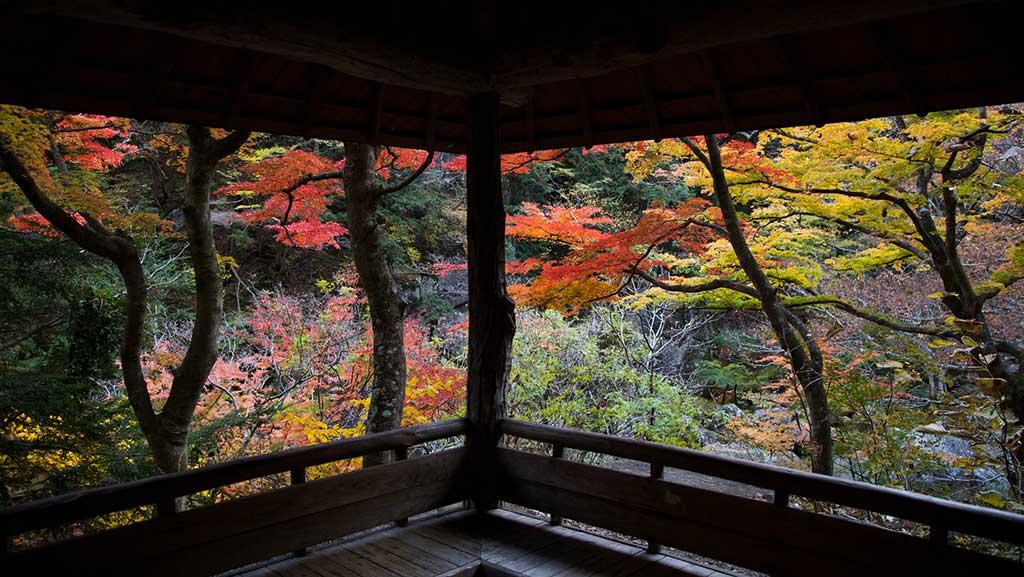
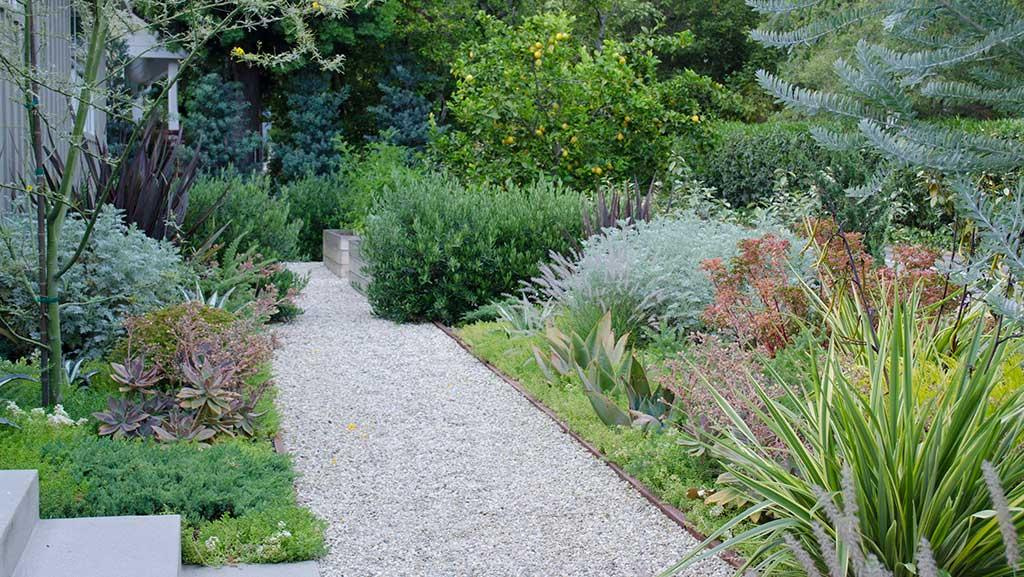
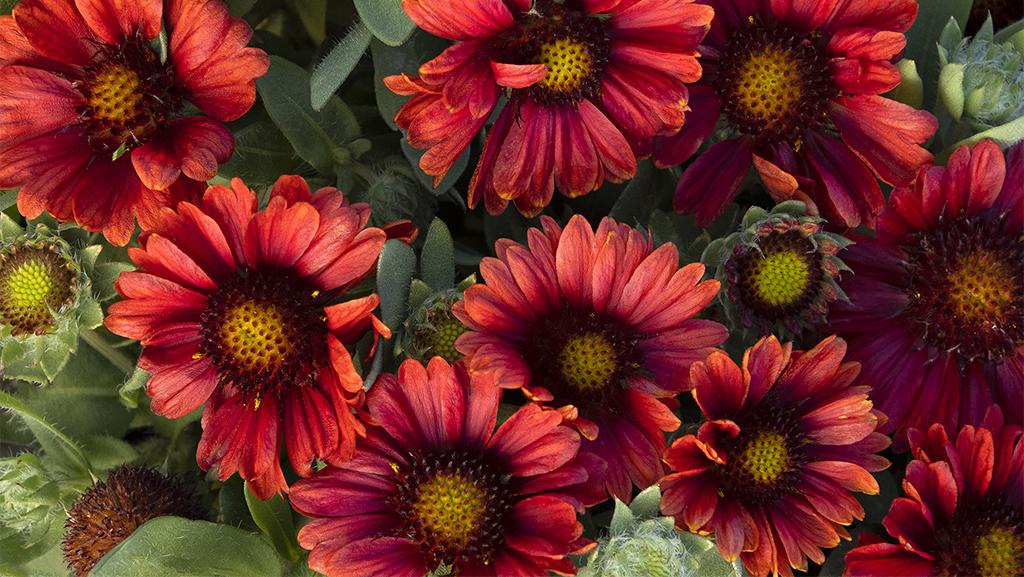
| Description | The first podocarpus tree with distinctive blue foliage! New growth emerges lime-gray-blue then matures to a cool gray-blue-green. One of the most beautiful and decorative pyramidal conifers for the South. An excellent specimen, lawn or screen tree. Evergreen. There has been no report of this plant coning, so it has not been determined if this dioecious conifer is a male or a female selection. |
|---|---|
| Bloom Time | Conifer; prized for foliage. |
| Deciduous/Evergreen | Evergreen |
| Special Features | Dramatic Foliage Color, Easy Care, Waterwise, Benefits Birds |
| Problems/Solutions | Deer Resistant, Tolerates Urban Pollution |
| Growth Rate | Slow |
| Growth Habit | Pyramidal |
| Landscape Use | Hedge, Poolside, Privacy Screen, Windbreak |
| Design Ideas | Podocarpus makes a superior specimen tree providing year around shade for patios and terraces. Evergreen foliage is ideal screening mechanism against neighbor's second story windows. Nearly litter free tree for swimming pool areas and vehicular conditions such as driveways, parkways and streetside boulevards. With pruning it is a superior choice for smaller suburban gardens and may benefit from canopy thinning for ideal mix of filtered shade. |
| Foliage Color | Blue-green |
| Companion Plants | Phormium (Phormium); Hibiscus (Hibiscus); Loropetalum (Loropetalum); Crape Myrtle (Lagerstroemia); Agave (Agave) |
| Care Instructions | Provide enriched, slightly acidic, well-drained soil. Water deeply and regularly during the first growing season to establish an extensive root system; reduce frequency once established. Feed with a general purpose fertilizer before new growth begins in spring. |
| History | Over one hundred species constitute the genus Podocarpus, a name translated as fruit-foot to describe the fleshy fruit stalk described by an early plant explorer. This genus is a conifer and often confused with yews, genus Taxus due to the many interchangable common names. Asian species constitute the majority of Podocarpus grown today. This South African native has produced few cultivars and is a relative newcomer to the nursery industry. This species was developed and introduced by Monrovia in 2004. |
| Lore | Known as yellowwood, P. elongatus is so prized for timber in its homeland South Africa it became the national tree. Its habitat is in riverbeds, surviving much like American cottonwoods on residual moisture deep underground in the dry season. |
Details
| Description | The first podocarpus tree with distinctive blue foliage! New growth emerges lime-gray-blue then matures to a cool gray-blue-green. One of the most beautiful and decorative pyramidal conifers for the South. An excellent specimen, lawn or screen tree. Evergreen. There has been no report of this plant coning, so it has not been determined if this dioecious conifer is a male or a female selection. |
|---|---|
| Bloom Time | Conifer; prized for foliage. |
| Deciduous/Evergreen | Evergreen |
| Special Features | Dramatic Foliage Color, Easy Care, Waterwise, Benefits Birds |
| Problems/Solutions | Deer Resistant, Tolerates Urban Pollution |
| Growth Rate | Slow |
| Growth Habit | Pyramidal |
Style
| Landscape Use | Hedge, Poolside, Privacy Screen, Windbreak |
|---|---|
| Design Ideas | Podocarpus makes a superior specimen tree providing year around shade for patios and terraces. Evergreen foliage is ideal screening mechanism against neighbor's second story windows. Nearly litter free tree for swimming pool areas and vehicular conditions such as driveways, parkways and streetside boulevards. With pruning it is a superior choice for smaller suburban gardens and may benefit from canopy thinning for ideal mix of filtered shade. |
| Foliage Color | Blue-green |
| Companion Plants | Phormium (Phormium); Hibiscus (Hibiscus); Loropetalum (Loropetalum); Crape Myrtle (Lagerstroemia); Agave (Agave) |
Care
| Care Instructions | Provide enriched, slightly acidic, well-drained soil. Water deeply and regularly during the first growing season to establish an extensive root system; reduce frequency once established. Feed with a general purpose fertilizer before new growth begins in spring. |
|---|
History
| History | Over one hundred species constitute the genus Podocarpus, a name translated as fruit-foot to describe the fleshy fruit stalk described by an early plant explorer. This genus is a conifer and often confused with yews, genus Taxus due to the many interchangable common names. Asian species constitute the majority of Podocarpus grown today. This South African native has produced few cultivars and is a relative newcomer to the nursery industry. This species was developed and introduced by Monrovia in 2004. |
|---|---|
| Lore | Known as yellowwood, P. elongatus is so prized for timber in its homeland South Africa it became the national tree. Its habitat is in riverbeds, surviving much like American cottonwoods on residual moisture deep underground in the dry season. |
Retailers Near You
About Us
We have been pioneers and craftsmen in the art of growing plants for 100 years. Since our founding in Southern California by Harry E. Rosedale, Sr. in 1926, we have been absolutely dedicated and obsessed with quality.
We have been pioneers and craftsmen in the art of growing plants for nearly 100 years. Since our founding in Southern California by Harry E. Rosedale, Sr. in 1926, we have been absolutely dedicated and obsessed with quality.