
You're growing in this Zip Code:
Discover Plants for Your Area
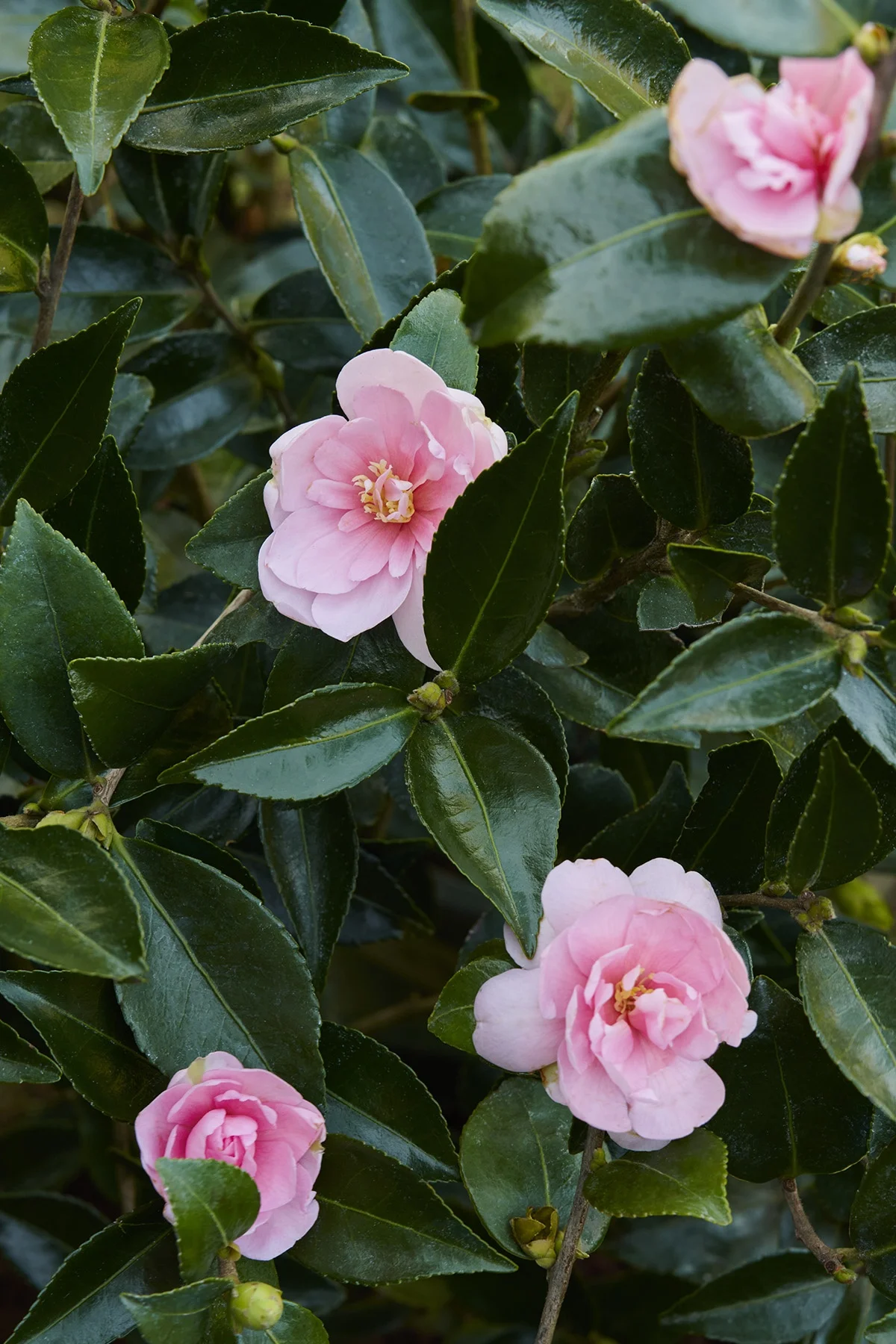
Jean May Camellia
Camellia sasanqua 'Jean May'
Pronunciation: kuh-MEE-lee-uh suh-SAN-kwuh
SKU #02166
LIGHT:
Filtered sun, Full shade, Partial shade, Partial sun
WATER:
Water when top 3 inches of soil is dry.
SIZE:
Moderate growing; reaches 10 ft. tall, 6 ft. wide.

Retailers Near You
Ready to Grow?
Ship Monrovia plants directly to your door. Browse a curated selection available online.
Shop Now >This Plant's Growing Zones: 7-10
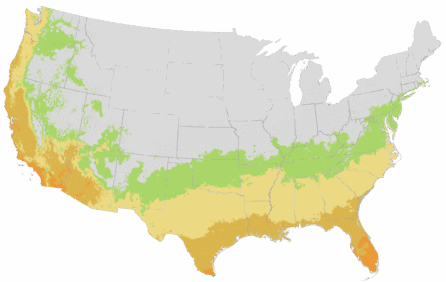
Your USDA Cold Hardiness Zone:
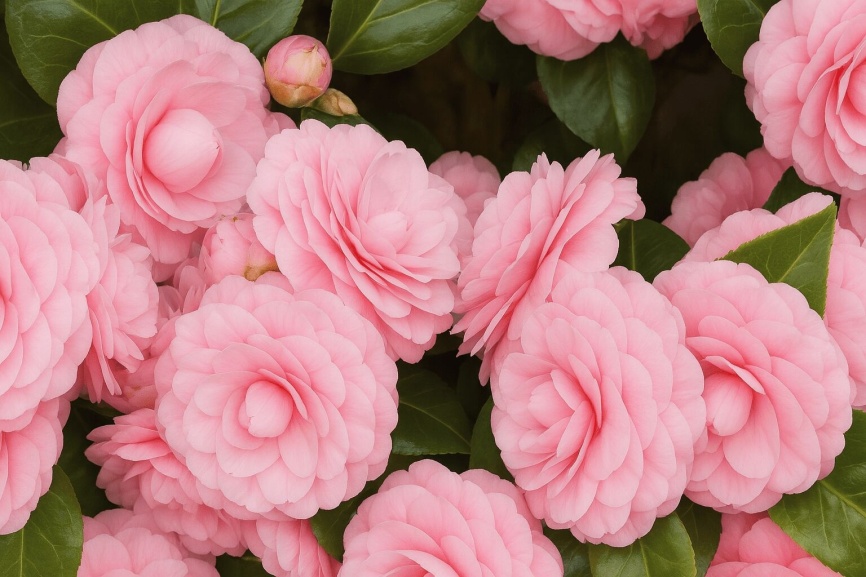
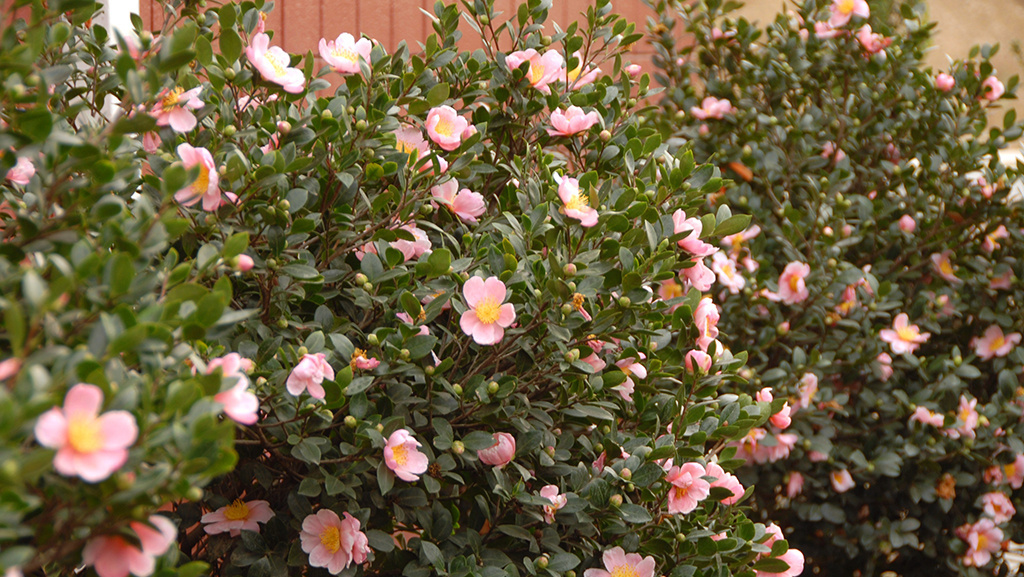
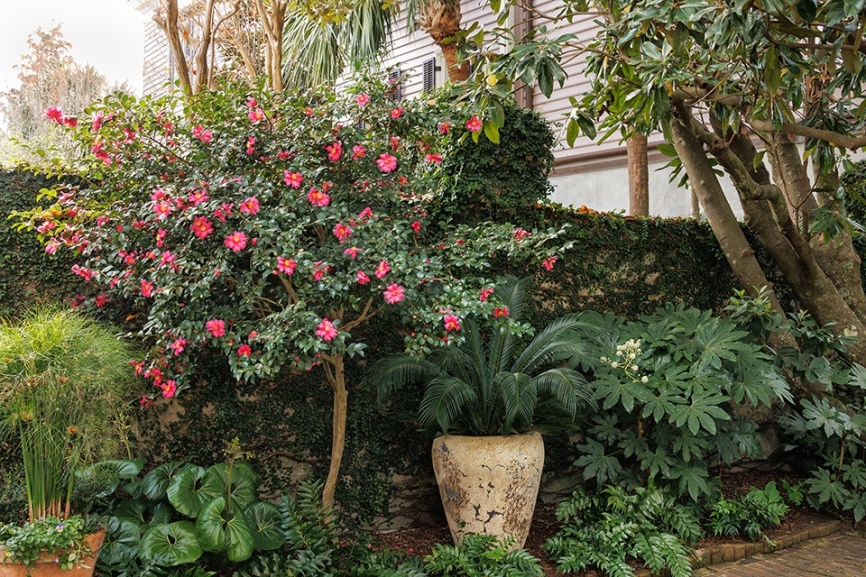
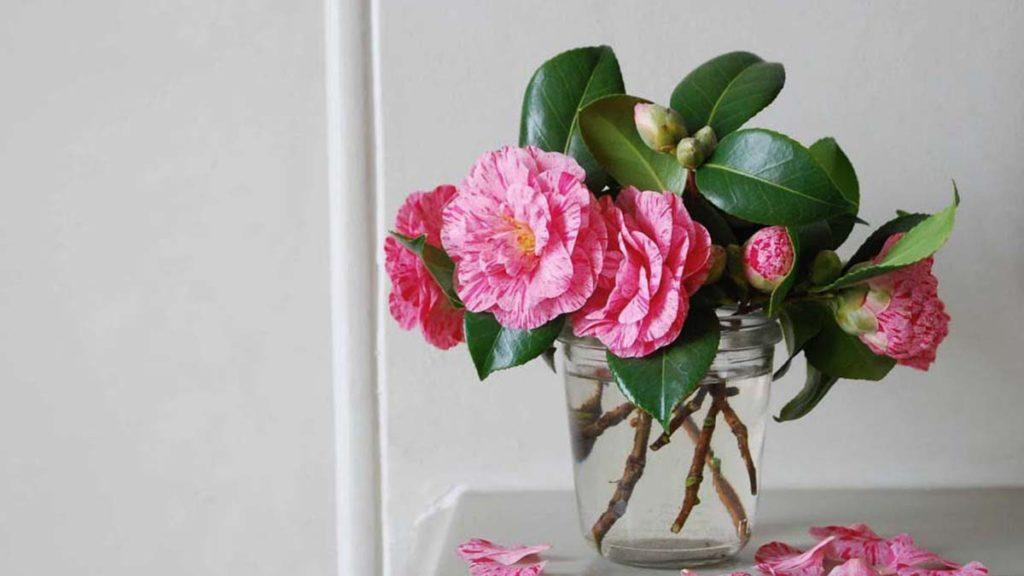
| Description | A versatile performer displaying profuse shell pink double blooms, with deeper shades of pink towards the center. Glossy, dark green foliage make it an excellent choice for a colorful hedge or screen, espalier, and border shrub. Mid season bloomer. Evergreen. |
|---|---|
| Bloom Time | Fall through winter |
| Deciduous/Evergreen | Evergreen |
| Special Features | Waterwise, Non-toxic to Cats and Dogs, Attracts Pollinators |
| Growth Rate | Moderate |
| Growth Habit | Upright |
| Flower Attributes | Flowers for Cutting, Showy Flowers |
| Landscape Use | Border, Container, Espalier, Privacy Screen |
| Design Ideas | This soft pink camellia deserves a place in high profile foundation planting or as a backdrop to outdoor living spaces in the backyard. A must for Asian or woodland garden settings under large, old shade trees with filtered canopies. Dress up a wall or garage as a shrub or train the dense, spreading habit of this Camellia as an espalier for a formal look. |
| Flower Color | Pink |
| Foliage Color | Dark Green |
| Companion Plants | Jean May's versatility in shade and partial sun, as well as wet and dry conditions, make this a plant that pairs well with a variety of garden shrubs and perennials. Combine with the big, bold foliage and blooms of Hosta, Coral Bells, Hydrangea and Rhododendron. For an Asian theme, design with mixed Azaleas, Heavenly Bamboo, Dogwood, Japanese Maples, Lily of the Valley, Iris and Gardenia. |
| Care Instructions | Provide organically rich, well-drained, acidic soil. Keep roots cool with a thick layer of mulch. Water deeply and regularly during the first growing season to establish an extensive root system; reduce frequency, once established. Prune lightly to shape and feed with an acid fertilizer after flowering. |
| History | Sometimes referred to as Christmas Camellias, the 'sasanqua' varieties of Camellia are native to the evergreen, coastal forests of southern Japan. It was introduced by Dutch traders into Europe in 1869. Jean May originated by Ralph May of Gerbing Camellia Nursery of Fernandina, FL from unknown parentage. The Japanese use the leaves of 'sasanqua' to make tea, and the seeds are pressed into tea seed oil for use as a lubricant and in cooking and cosmetics. |
Details
| Description | A versatile performer displaying profuse shell pink double blooms, with deeper shades of pink towards the center. Glossy, dark green foliage make it an excellent choice for a colorful hedge or screen, espalier, and border shrub. Mid season bloomer. Evergreen. |
|---|---|
| Bloom Time | Fall through winter |
| Deciduous/Evergreen | Evergreen |
| Special Features | Waterwise, Non-toxic to Cats and Dogs, Attracts Pollinators |
| Growth Rate | Moderate |
| Growth Habit | Upright |
| Flower Attributes | Flowers for Cutting, Showy Flowers |
Style
| Landscape Use | Border, Container, Espalier, Privacy Screen |
|---|---|
| Design Ideas | This soft pink camellia deserves a place in high profile foundation planting or as a backdrop to outdoor living spaces in the backyard. A must for Asian or woodland garden settings under large, old shade trees with filtered canopies. Dress up a wall or garage as a shrub or train the dense, spreading habit of this Camellia as an espalier for a formal look. |
| Flower Color | Pink |
| Foliage Color | Dark Green |
| Companion Plants | Jean May's versatility in shade and partial sun, as well as wet and dry conditions, make this a plant that pairs well with a variety of garden shrubs and perennials. Combine with the big, bold foliage and blooms of Hosta, Coral Bells, Hydrangea and Rhododendron. For an Asian theme, design with mixed Azaleas, Heavenly Bamboo, Dogwood, Japanese Maples, Lily of the Valley, Iris and Gardenia. |
Care
| Care Instructions | Provide organically rich, well-drained, acidic soil. Keep roots cool with a thick layer of mulch. Water deeply and regularly during the first growing season to establish an extensive root system; reduce frequency, once established. Prune lightly to shape and feed with an acid fertilizer after flowering. |
|---|
History
| History | Sometimes referred to as Christmas Camellias, the 'sasanqua' varieties of Camellia are native to the evergreen, coastal forests of southern Japan. It was introduced by Dutch traders into Europe in 1869. Jean May originated by Ralph May of Gerbing Camellia Nursery of Fernandina, FL from unknown parentage. The Japanese use the leaves of 'sasanqua' to make tea, and the seeds are pressed into tea seed oil for use as a lubricant and in cooking and cosmetics. |
|---|
Retailers Near You
About Us
We have been pioneers and craftsmen in the art of growing plants for 100 years. Since our founding in Southern California by Harry E. Rosedale, Sr. in 1926, we have been absolutely dedicated and obsessed with quality.
We have been pioneers and craftsmen in the art of growing plants for nearly 100 years. Since our founding in Southern California by Harry E. Rosedale, Sr. in 1926, we have been absolutely dedicated and obsessed with quality.