
You're growing in this Zip Code:
Change LocationDiscover Plants for Your Area
Madagascar Jasmine
Stephanotis floribunda
Pronunciation: steff-an-OH-tis flor-ih-BUN-duh
SKU #07155
LIGHT:
Partial sun
WATER:
Keep soil moist, but not soggy.
SIZE:
Slow growing; twining stems reach 15 ft. long.

Retailers Near You
Ready to Grow?
Ship Monrovia plants directly to your door. Browse a curated selection available online.
Shop Now >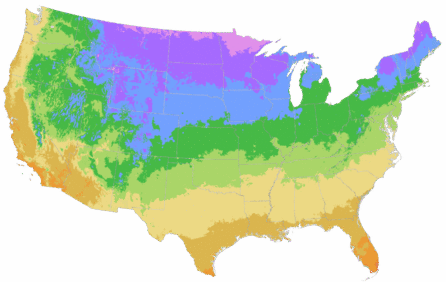
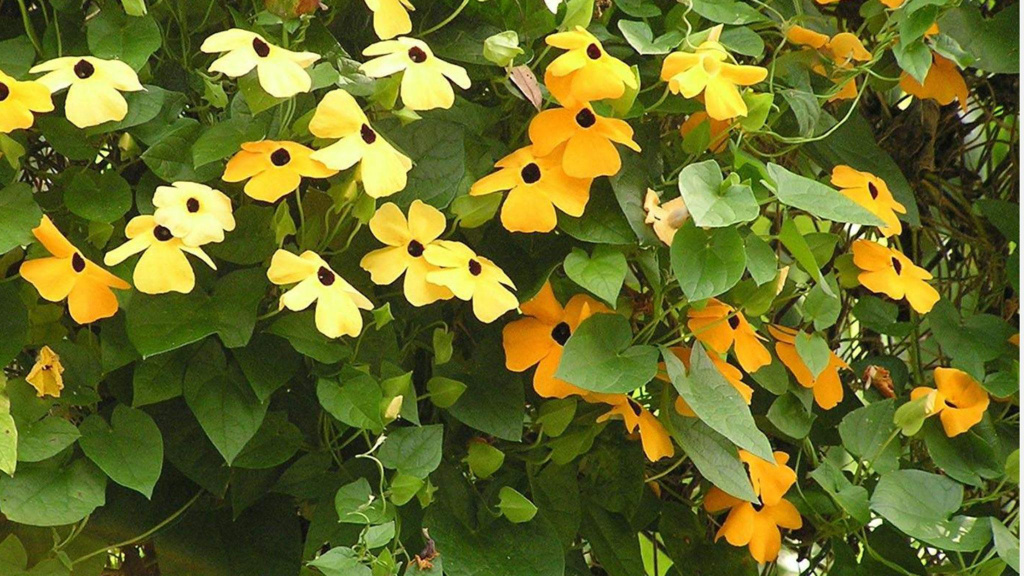
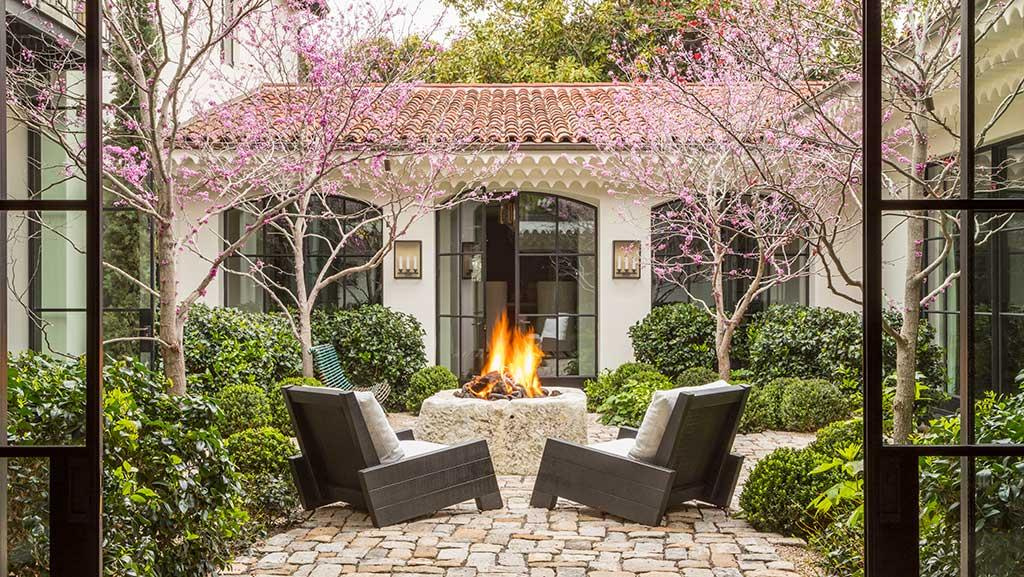
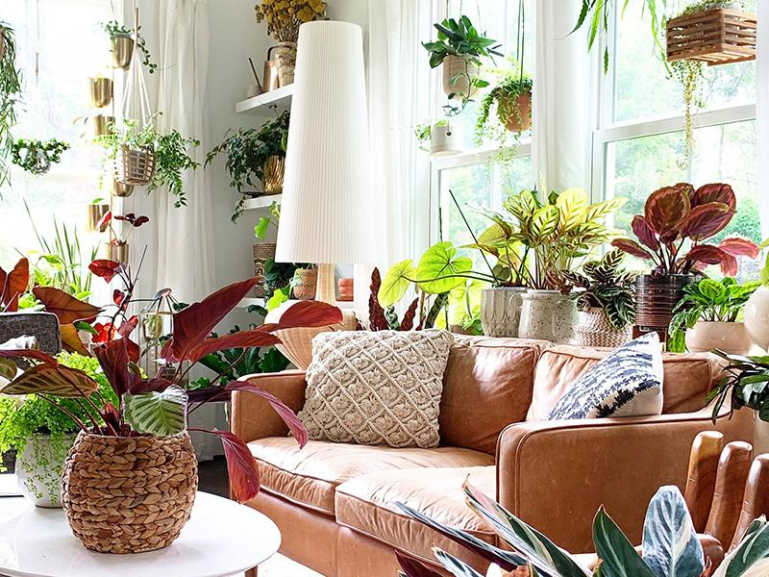
| Description | Clusters of fragrant, pure white, tubular flowers contrast nicely with the dark green, leathery leaves. A favorite of florists for wedding bouquets. This handsome vine will twine upwards with trellis or fence support. An excellent container plant. A warm region tropical that should be moved indoors or protected when temperatures begin dropping. |
|---|---|
| Bloom Time | Spring into summer |
| Deciduous/Evergreen | Evergreen |
| Special Features | Attracts Hummingbirds, Non-toxic to Cats and Dogs, Attracts Pollinators |
| Growth Rate | Slow |
| Growth Habit | Climbing |
| Flower Attributes | Flowers for Cutting, Fragrant, Showy Flowers |
| Landscape Use | Container, Espalier, Houseplant, Poolside |
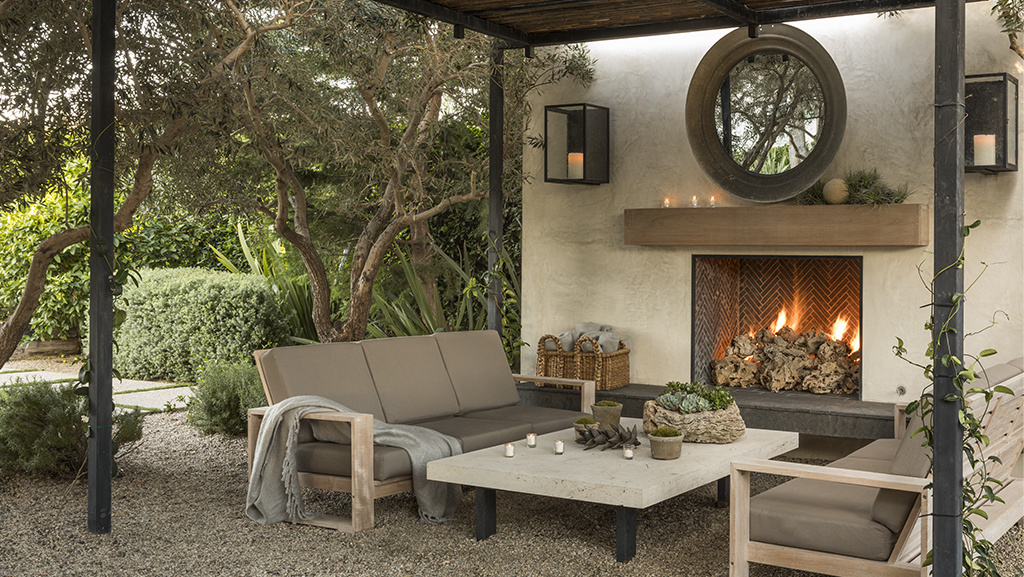
| Design Ideas | An elegant white flowered vine to twine up posts and trelliage in sheltered gardens and courtyards. |
| Flower Color | White |
| Foliage Color | Dark Green |
| Companion Plants | Bird of Paradise (Strelitzia); Hibiscus (Hibiscus); Plumbago (Plumbago); Mandevilla (Mandevilla); Princess Flower (Tibouchina) |
| Care Instructions | Thrives in fertile, organically rich, well-drained soils with a partly sunny exposure. Water deeply and regularly during the growing season; requires less moisture in winter. Feed with a balanced fertilizer to encourage prolific bloom. Provide support for twining stems. Bring indoors when temperatures drop below 59 degrees Fahrenheit. |
| History | This is a member of the Milkweed family which is native to the African island of Madagascar where a great deal of unique plants have evolved in relative isolation. |
| Lore | This plant is among the food hosts for the tiger butterfly and its larvae. |
Details
| Description | Clusters of fragrant, pure white, tubular flowers contrast nicely with the dark green, leathery leaves. A favorite of florists for wedding bouquets. This handsome vine will twine upwards with trellis or fence support. An excellent container plant. A warm region tropical that should be moved indoors or protected when temperatures begin dropping. |
|---|---|
| Bloom Time | Spring into summer |
| Deciduous/Evergreen | Evergreen |
| Special Features | Attracts Hummingbirds, Non-toxic to Cats and Dogs, Attracts Pollinators |
| Growth Rate | Slow |
| Growth Habit | Climbing |
| Flower Attributes | Flowers for Cutting, Fragrant, Showy Flowers |
Style
| Landscape Use | Container, Espalier, Houseplant, Poolside |
|---|---|
| Design Ideas | An elegant white flowered vine to twine up posts and trelliage in sheltered gardens and courtyards. |
| Flower Color | White |
| Foliage Color | Dark Green |
| Companion Plants | Bird of Paradise (Strelitzia); Hibiscus (Hibiscus); Plumbago (Plumbago); Mandevilla (Mandevilla); Princess Flower (Tibouchina) |
Care
| Care Instructions | Thrives in fertile, organically rich, well-drained soils with a partly sunny exposure. Water deeply and regularly during the growing season; requires less moisture in winter. Feed with a balanced fertilizer to encourage prolific bloom. Provide support for twining stems. Bring indoors when temperatures drop below 59 degrees Fahrenheit. |
|---|
History
| History | This is a member of the Milkweed family which is native to the African island of Madagascar where a great deal of unique plants have evolved in relative isolation. |
|---|---|
| Lore | This plant is among the food hosts for the tiger butterfly and its larvae. |
Frequently asked questions
Does Madagascar Jasmine produce flowers?
Spring into summer
Is Madagascar Jasmine evergreen or deciduous?
Madagascar Jasmine is Evergreen.
What are the special features of Madagascar Jasmine?
Madagascar Jasmine is Attracts Hummingbirds, Non-toxic to Cats and Dogs, Attracts Pollinators.
How fast does Madagascar Jasmine grow?
Madagascar Jasmine has a Slow growth rate.
What is the growth habit of Madagascar Jasmine?
Madagascar Jasmine grows in an Climbing habit.
Where can I use Madagascar Jasmine in my landscape?
Madagascar Jasmine is suitable for: Container, Espalier, Houseplant, Poolside.
How can I use Madagascar Jasmine in my garden design?
An elegant white flowered vine to twine up posts and trelliage in sheltered gardens and courtyards.
What color are Madagascar Jasmine flowers?
Madagascar Jasmine produces White flowers.
What color is the foliage of Madagascar Jasmine?
Madagascar Jasmine has Dark Green foliage.
What plants grow well with Madagascar Jasmine?
Good companion plants for Madagascar Jasmine include: Bird of Paradise (Strelitzia); Hibiscus (Hibiscus); Plumbago (Plumbago); Mandevilla (Mandevilla); Princess Flower (Tibouchina).
How do I care for Madagascar Jasmine?
Thrives in fertile, organically rich, well-drained soils with a partly sunny exposure. Water deeply and regularly during the growing season; requires less moisture in winter. Feed with a balanced fertilizer to encourage prolific bloom. Provide support for twining stems. Bring indoors when temperatures drop below 59 degrees Fahrenheit.
What is the history of Madagascar Jasmine?
This is a member of the Milkweed family which is native to the African island of Madagascar where a great deal of unique plants have evolved in relative isolation.
Retailers Near You
About Us
We have been pioneers and craftsmen in the art of growing plants for 100 years. Since our founding in Southern California by Harry E. Rosedale, Sr. in 1926, we have been absolutely dedicated and obsessed with quality.
We have been pioneers and craftsmen in the art of growing plants for nearly 100 years. Since our founding in Southern California by Harry E. Rosedale, Sr. in 1926, we have been absolutely dedicated and obsessed with quality.