
You're growing in this Zip Code:
Change LocationDiscover Plants for Your Area
Moonglow Juniper
Juniperus scopulorum 'Moonglow'
Pronunciation: ju-NIP-er-us skop-u-LO-rum
SKU #05275
LIGHT:
Full sun
WATER:
Water when top 2 inches of soil is dry.
SIZE:
Moderate growing; reaches 20 ft. tall, 8 ft. wide.

Retailers Near You
Ready to Grow?
Ship Monrovia plants directly to your door. Browse a curated selection available online.
Shop Now >
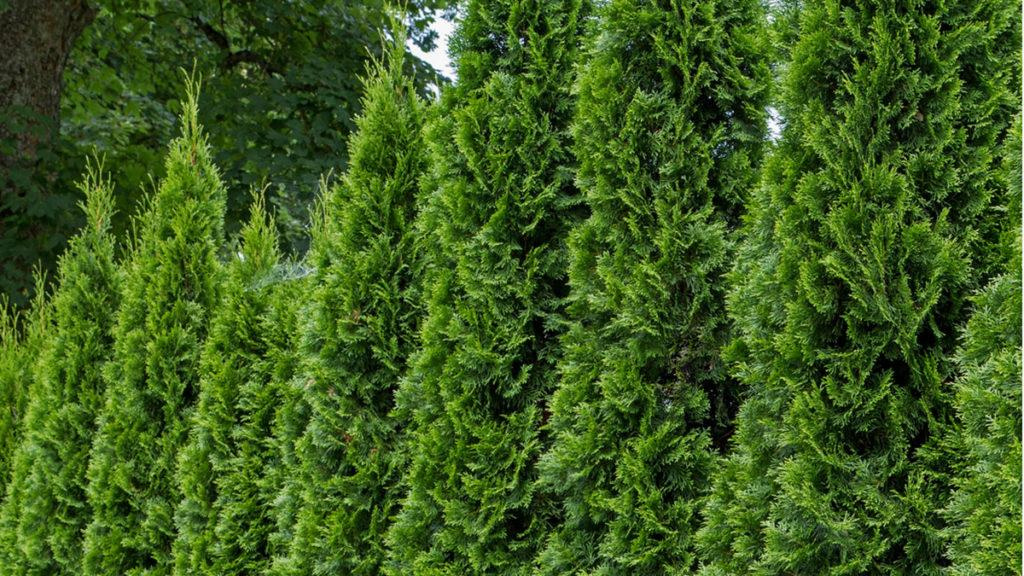
| Description | Exceptionally showy, silvery blue foliage on a broad pyramidal form makes this a highly attractive landscape accent, excellent for screens, hedges, and group plantings. This tough plant has a dense, compact-branching habit that resists grazing by deer. Evergreen. |
|---|---|
| Bloom Time | Conifer; prized for foliage. |
| Deciduous/Evergreen | Evergreen |
| Special Features | Dramatic Foliage Color, Easy Care, Waterwise, Benefits Birds |
| Problems/Solutions | Coastal Exposure, Deer Resistant, Erosion Control, Rabbit Resistant, Tolerates Urban Pollution, Road Salt Tolerant |
| Growth Rate | Moderate |
| Growth Habit | Pyramidal |
| Landscape Use | Privacy Screen, Windbreak, Suitable for Topiary |
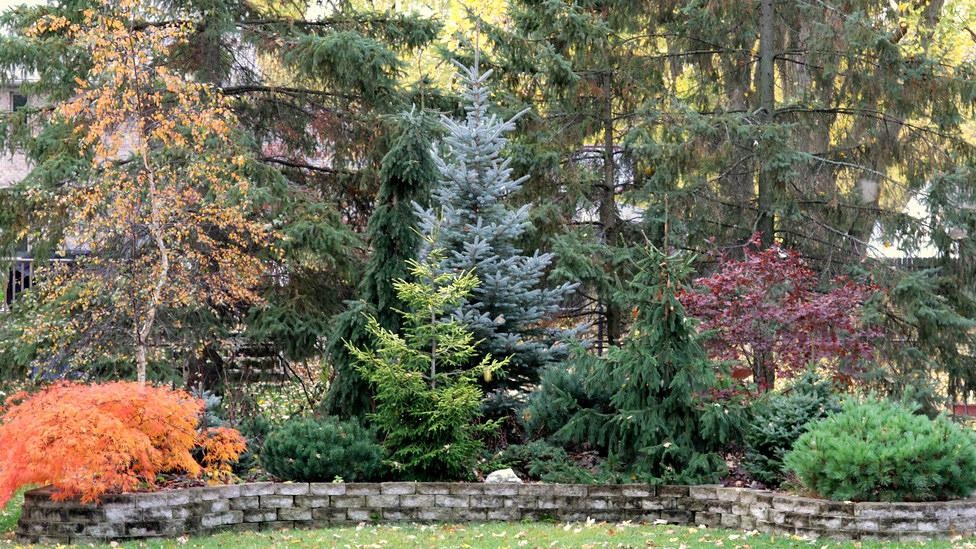
| Design Ideas | Give this robust gray Juniper lots of space. It is a rugged and reliable plant for large-scale screening, massive hedges and windbreaks. Also works well as a single specimen in lawns or in conjunction with other groundcovers. Use as a corner element streetside or to interrupt long fence lines. Include a topiary form of this plant in a porch or entryway container planting. As its name suggests, the silver-gray foliage will reflect light under strong moonlight. |
| Foliage Color | Silver-blue |
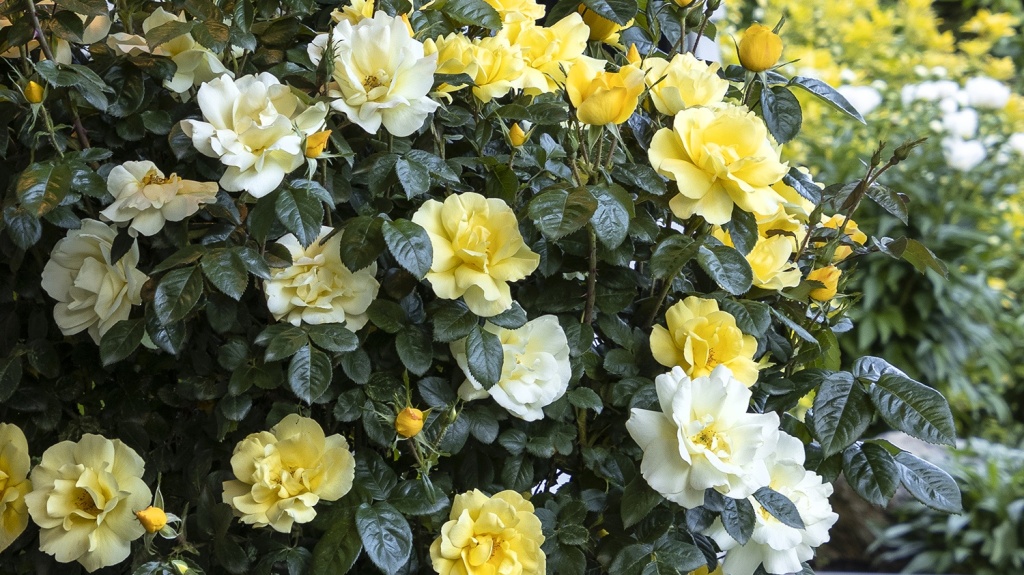
| Companion Plants | Barberry (Berberis); Rose (Rosa); Catmint (Nepeta); Russian Sage (Perovskia); Maiden Grass (Miscanthus) |
| Care Instructions | Easily grown in a wide range of soils, including clay, alkaline and compacted soils; avoid wet, soggy soils. Water deeply, regularly during the first growing season to establish an extensive root system; reduce frequency, once established. Feed with a general purpose fertilizer before new growth begins in spring. Prune annually to shape. |
| History | Juniperus scopulorum is commonly known as Rocky Mountain Juniper. It is native to Western North America from Canada down into Northern Mexico. It grows naturally at an altitude of 500m - 2700m. |
Details
| Description | Exceptionally showy, silvery blue foliage on a broad pyramidal form makes this a highly attractive landscape accent, excellent for screens, hedges, and group plantings. This tough plant has a dense, compact-branching habit that resists grazing by deer. Evergreen. |
|---|---|
| Bloom Time | Conifer; prized for foliage. |
| Deciduous/Evergreen | Evergreen |
| Special Features | Dramatic Foliage Color, Easy Care, Waterwise, Benefits Birds |
| Problems/Solutions | Coastal Exposure, Deer Resistant, Erosion Control, Rabbit Resistant, Tolerates Urban Pollution, Road Salt Tolerant |
| Growth Rate | Moderate |
| Growth Habit | Pyramidal |
Style
| Landscape Use | Privacy Screen, Windbreak, Suitable for Topiary |
|---|---|
| Design Ideas | Give this robust gray Juniper lots of space. It is a rugged and reliable plant for large-scale screening, massive hedges and windbreaks. Also works well as a single specimen in lawns or in conjunction with other groundcovers. Use as a corner element streetside or to interrupt long fence lines. Include a topiary form of this plant in a porch or entryway container planting. As its name suggests, the silver-gray foliage will reflect light under strong moonlight. |
| Foliage Color | Silver-blue |
| Companion Plants | Barberry (Berberis); Rose (Rosa); Catmint (Nepeta); Russian Sage (Perovskia); Maiden Grass (Miscanthus) |
Care
| Care Instructions | Easily grown in a wide range of soils, including clay, alkaline and compacted soils; avoid wet, soggy soils. Water deeply, regularly during the first growing season to establish an extensive root system; reduce frequency, once established. Feed with a general purpose fertilizer before new growth begins in spring. Prune annually to shape. |
|---|
History
| History | Juniperus scopulorum is commonly known as Rocky Mountain Juniper. It is native to Western North America from Canada down into Northern Mexico. It grows naturally at an altitude of 500m - 2700m. |
|---|
Frequently asked questions
Does Moonglow Juniper produce flowers?
Conifer; prized for foliage.
Is Moonglow Juniper evergreen or deciduous?
Moonglow Juniper is Evergreen.
What are the special features of Moonglow Juniper?
Moonglow Juniper is Dramatic Foliage Color, Easy Care, Waterwise, Benefits Birds.
Is Moonglow Juniper resistant to pests or animals?
Coastal Exposure, Deer Resistant, Erosion Control, Rabbit Resistant, Tolerates Urban Pollution, Road Salt Tolerant
How fast does Moonglow Juniper grow?
Moonglow Juniper has a Moderate growth rate.
What is the growth habit of Moonglow Juniper?
Moonglow Juniper grows in an Pyramidal habit.
Where can I use Moonglow Juniper in my landscape?
Moonglow Juniper is suitable for: Privacy Screen, Windbreak, Suitable for Topiary.
How can I use Moonglow Juniper in my garden design?
Give this robust gray Juniper lots of space. It is a rugged and reliable plant for large-scale screening, massive hedges and windbreaks. Also works well as a single specimen in lawns or in conjunction with other groundcovers. Use as a corner element streetside or to interrupt long fence lines. Include a topiary form of this plant in a porch or entryway container planting. As its name suggests, the silver-gray foliage will reflect light under strong moonlight.
What color is the foliage of Moonglow Juniper?
Moonglow Juniper has Silver-blue foliage.
What plants grow well with Moonglow Juniper?
Good companion plants for Moonglow Juniper include: Barberry (Berberis); Rose (Rosa); Catmint (Nepeta); Russian Sage (Perovskia); Maiden Grass (Miscanthus).
How do I care for Moonglow Juniper?
Easily grown in a wide range of soils, including clay, alkaline and compacted soils; avoid wet, soggy soils. Water deeply, regularly during the first growing season to establish an extensive root system; reduce frequency, once established. Feed with a general purpose fertilizer before new growth begins in spring. Prune annually to shape.
What is the history of Moonglow Juniper?
Juniperus scopulorum is commonly known as Rocky Mountain Juniper. It is native to Western North America from Canada down into Northern Mexico. It grows naturally at an altitude of 500m - 2700m.
Retailers Near You
About Us
We have been pioneers and craftsmen in the art of growing plants for 100 years. Since our founding in Southern California by Harry E. Rosedale, Sr. in 1926, we have been absolutely dedicated and obsessed with quality.
We have been pioneers and craftsmen in the art of growing plants for nearly 100 years. Since our founding in Southern California by Harry E. Rosedale, Sr. in 1926, we have been absolutely dedicated and obsessed with quality.