
You're growing in this Zip Code:
Discover Plants for Your Area
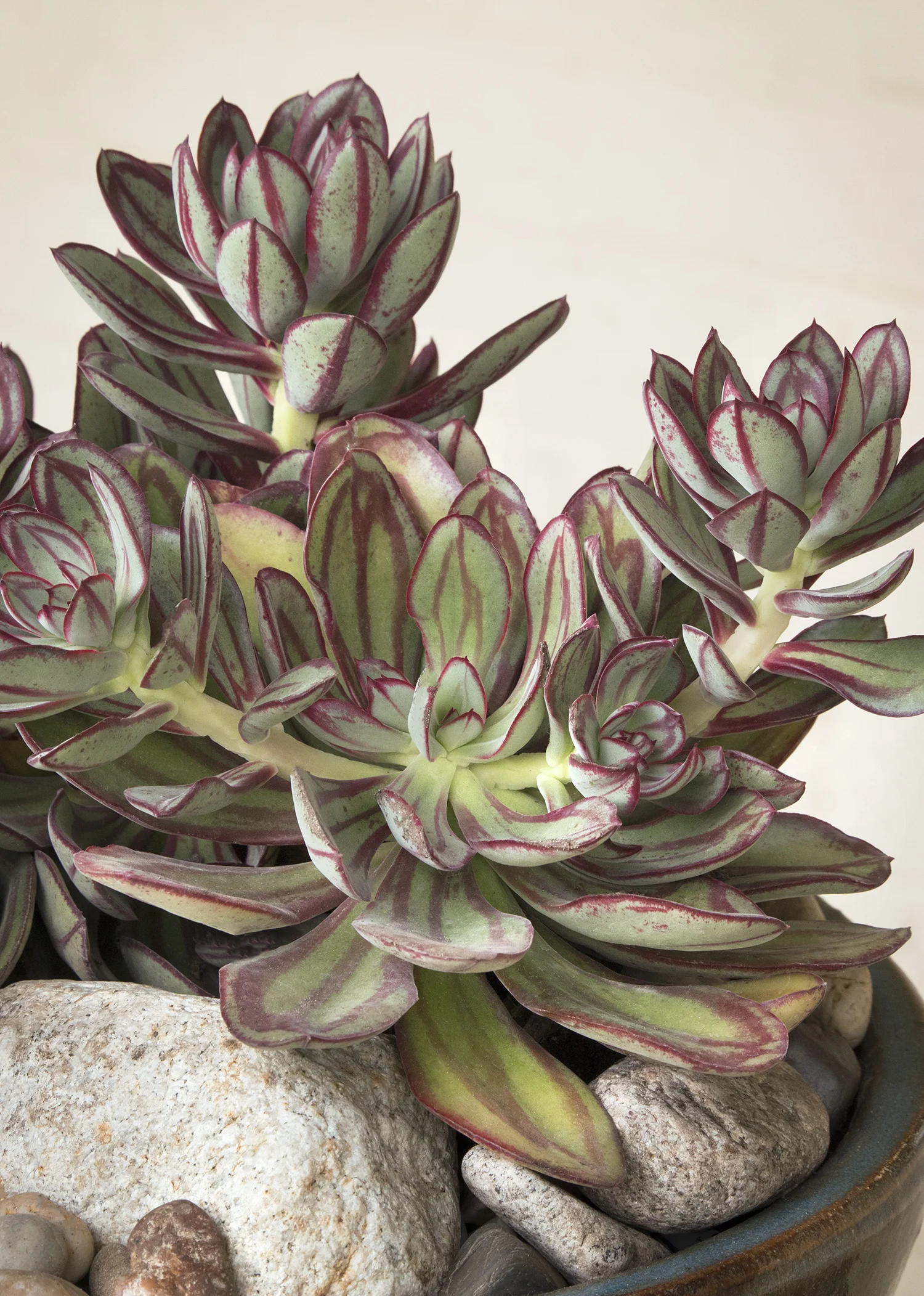


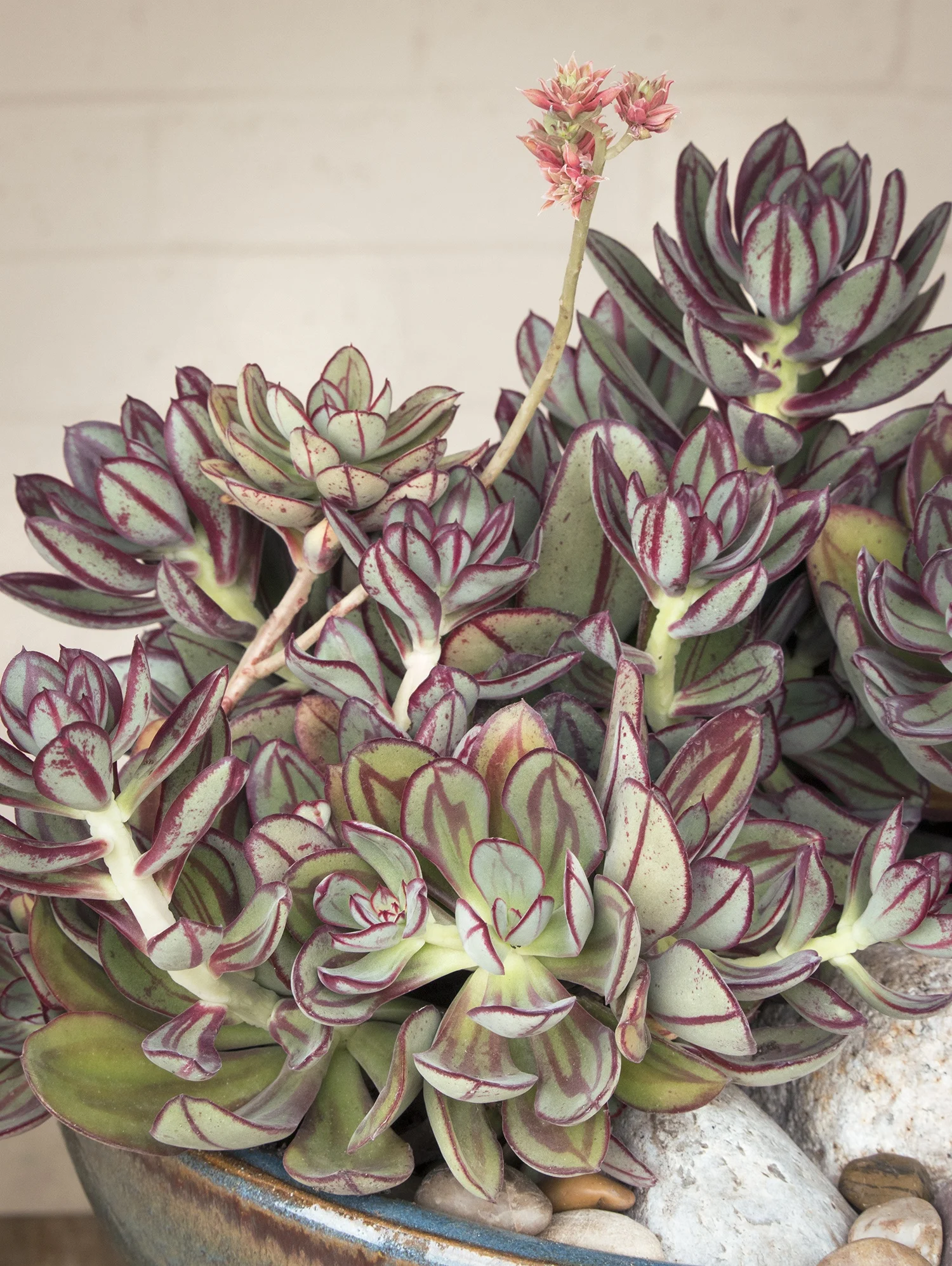
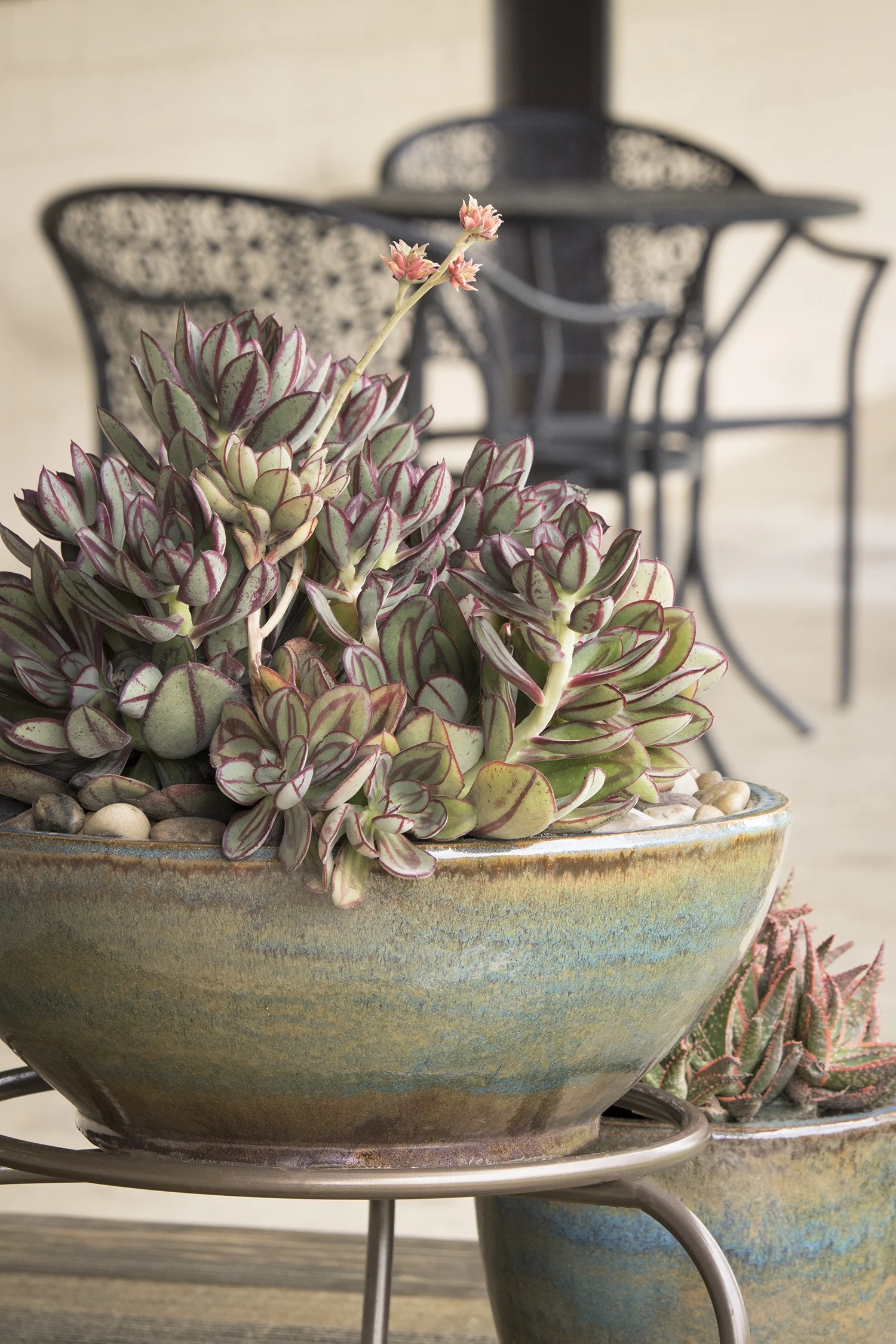
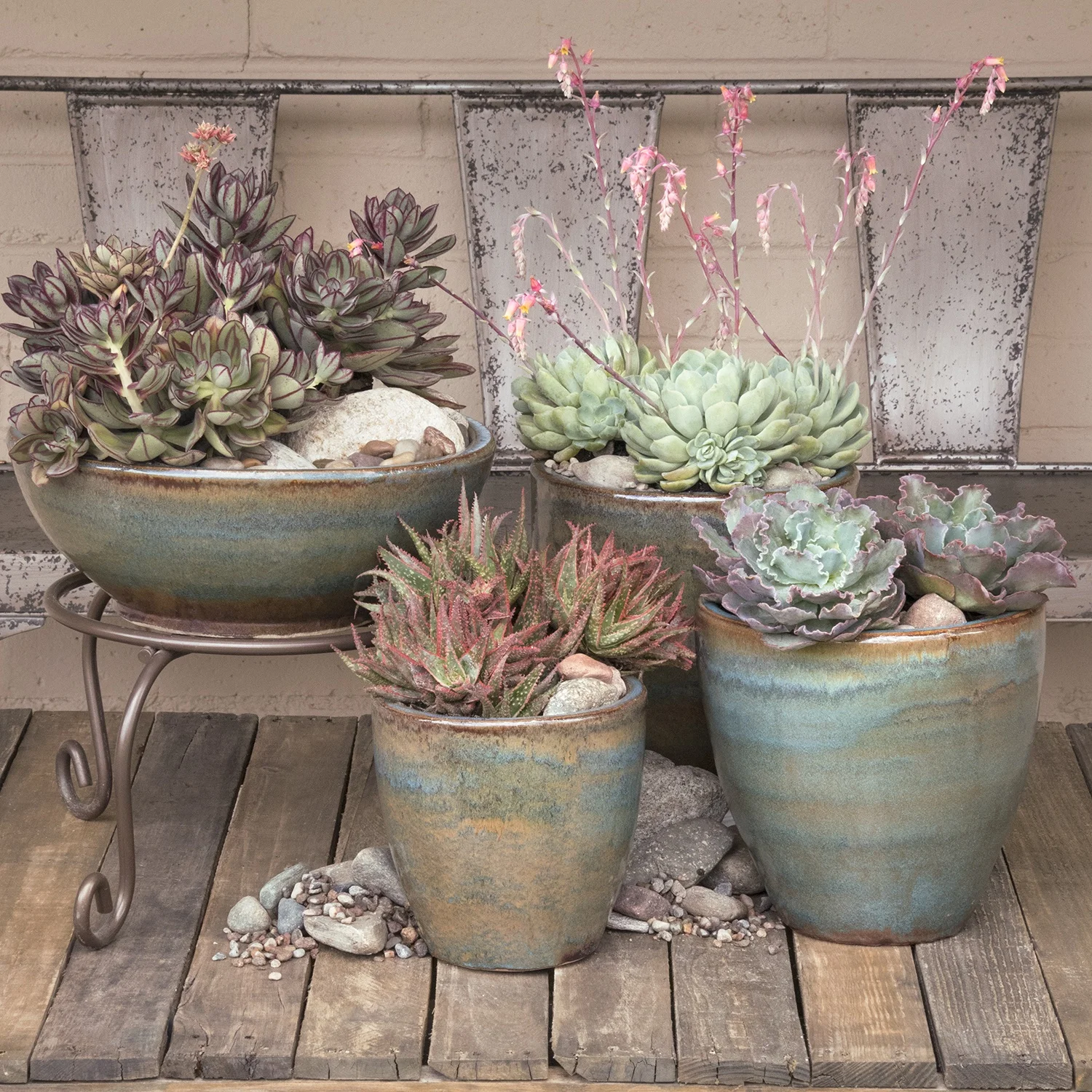
Painted Echeveria
Echeveria nodulosa
Pronunciation: Ech-eh-VER-ee-a nod-yoo-LOH-suh
SKU #06923
LIGHT:
Full sun, Partial sun
WATER:
Allow soil to dry between waterings.
SIZE:
Rosettes reach 5 in. wide, forming clumps 1 to 2 ft. tall, 2 to 3 ft. wide.

Retailers Near You
Ready to Grow?
Ship Monrovia plants directly to your door. Browse a curated selection available online.
Shop Now >This Plant's Growing Zones: ALL
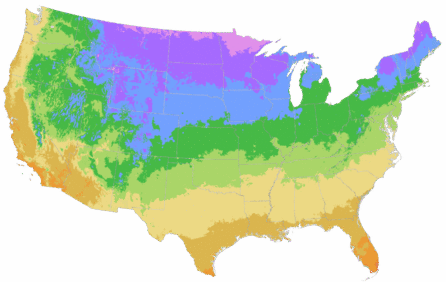
Your USDA Cold Hardiness Zone:

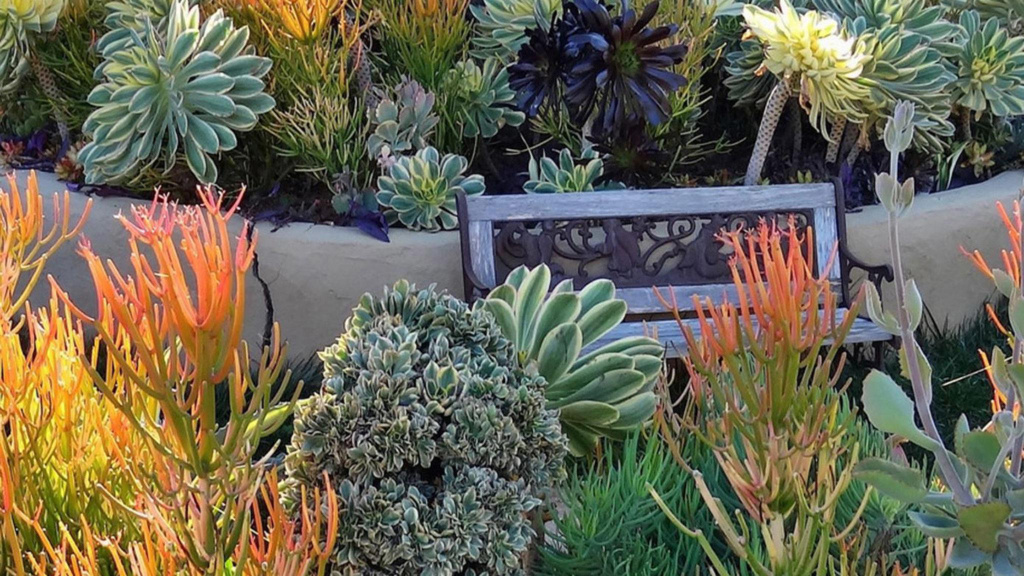
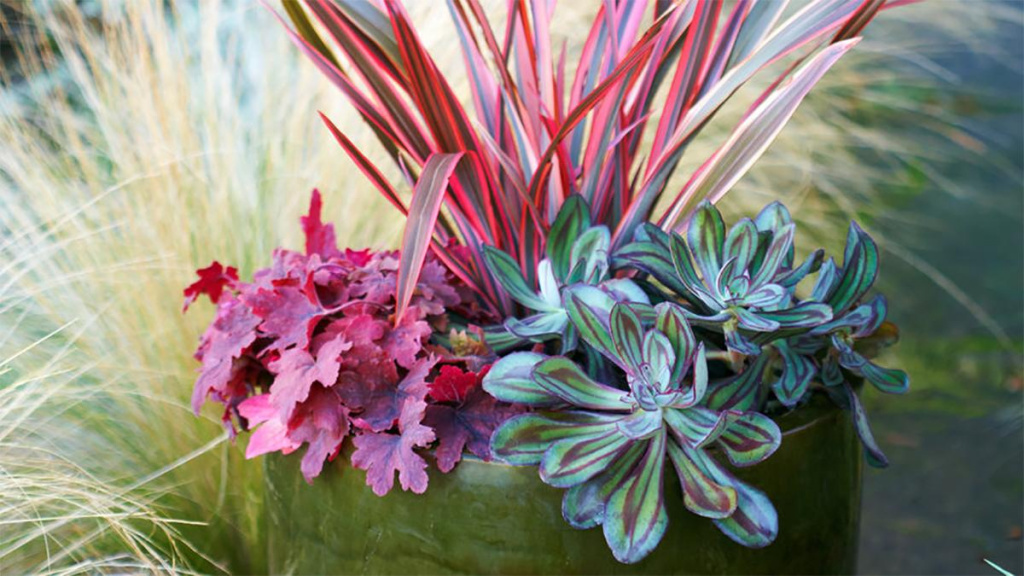
| Description | Unique succulent provides great contrast, with rosettes of absinthe green, vividly painted with red on margins and mid leaf. Coral-pink and yellow flowers appear atop tall bracts in summer. Originally from Mexico, this low growing spreader thrives in dry, sandy soil, preferring cool sun to light shade. A frost-tender evergreen. |
|---|---|
| Bloom Time | Summer |
| Deciduous/Evergreen | Evergreen |
| Special Features | Dramatic Foliage Color, Easy Care, Waterwise, Non-toxic to Cats and Dogs |
| Problems/Solutions | Deer Resistant, Drought Tolerant |
| Growth Rate | Moderate |
| Flower Attributes | Showy Flowers |
| Landscape Use | Container, Houseplant |
| Flower Color | Yellow |
| Foliage Color | Variegated |
| Companion Plants | Sempervivum (Sempervivum); Blue Fescue (Festuca glauca); Sedum (Sedum); Kalanchoe (Kalanchoe); Ice Plant (Delosperma) |
| Care Instructions | Provide lean, porous, well-drained in a sunny site; protect from intense afternoon sun very hot summer regions. Indoors, provide bright light. Water regularly in first growing season to establish root system. Once established, reduce frequency; tolerates periodic drought. Do not over fertilize. Divide clumps every 2 to 3 years in early spring. |
Details
| Description | Unique succulent provides great contrast, with rosettes of absinthe green, vividly painted with red on margins and mid leaf. Coral-pink and yellow flowers appear atop tall bracts in summer. Originally from Mexico, this low growing spreader thrives in dry, sandy soil, preferring cool sun to light shade. A frost-tender evergreen. |
|---|---|
| Bloom Time | Summer |
| Deciduous/Evergreen | Evergreen |
| Special Features | Dramatic Foliage Color, Easy Care, Waterwise, Non-toxic to Cats and Dogs |
| Problems/Solutions | Deer Resistant, Drought Tolerant |
| Growth Rate | Moderate |
| Flower Attributes | Showy Flowers |
Style
| Landscape Use | Container, Houseplant |
|---|---|
| Flower Color | Yellow |
| Foliage Color | Variegated |
| Companion Plants | Sempervivum (Sempervivum); Blue Fescue (Festuca glauca); Sedum (Sedum); Kalanchoe (Kalanchoe); Ice Plant (Delosperma) |
Care
| Care Instructions | Provide lean, porous, well-drained in a sunny site; protect from intense afternoon sun very hot summer regions. Indoors, provide bright light. Water regularly in first growing season to establish root system. Once established, reduce frequency; tolerates periodic drought. Do not over fertilize. Divide clumps every 2 to 3 years in early spring. |
|---|
Retailers Near You
About Us
We have been pioneers and craftsmen in the art of growing plants for 100 years. Since our founding in Southern California by Harry E. Rosedale, Sr. in 1926, we have been absolutely dedicated and obsessed with quality.
We have been pioneers and craftsmen in the art of growing plants for nearly 100 years. Since our founding in Southern California by Harry E. Rosedale, Sr. in 1926, we have been absolutely dedicated and obsessed with quality.