
You're growing in this Zip Code:
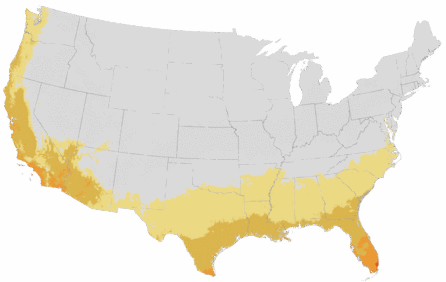
Change LocationDiscover Plants for Your Area
Little Ollie® Dwarf Olive
Olea europaea 'Montra'
Pronunciation: OH-lee-a yoo-ROH-pee-ah
SKU #06304
LIGHT:
Full sun
WATER:
Once established, water if very dry.
SIZE:
Reaches 6 ft. tall and wide.

Retailers Near You
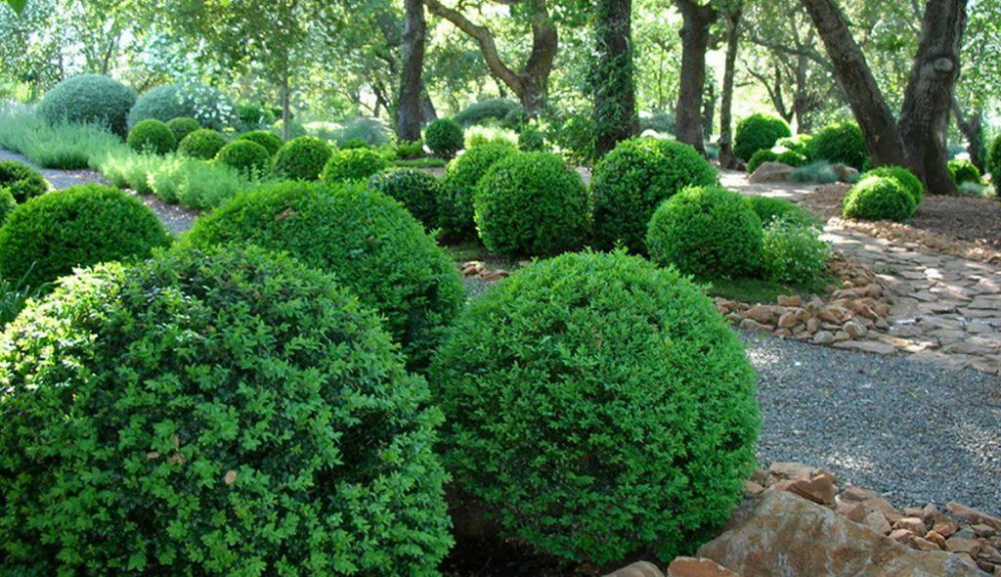
| Description | Dwarf, non-fruiting evergreen with a graceful, multi-branching habit. Deep green leaves have silvery green undersides. Attractive as a formal hedge or specimen shrub. Excellent in topiary form, or trained as a single trunk tree in smaller spaces. Heat, drought and salt tolerant. |
|---|---|
| Bloom Time | Inconspicuous; prized for foliage. |
| Deciduous/Evergreen | Evergreen |
| Special Features | Easy Care, Waterwise, Compact Form |
| Problems/Solutions | Coastal Exposure, Deer Resistant |
| Growth Rate | Moderate |
| Growth Habit | Rounded |
| Patent Act | Asexual reproduction of plants protected by the Plant Patent Act is prohibited during the life of the patent. |
| Landscape Use | Border, Container, Hedge |
| Design Ideas | A small olive with all the Mediterranean look and feel without the size or the fruit. Shrub forms produce beautiful single plants, or line them up into a natural or sheared hedge. Particularly useful along driveways and street side where reflected heat from paving and vehicles would wither less heat hardy species. Trained as patio trees they make outstanding potted specimens, a pair flanking a classical sculpture or an Italian style wall fountain is hard to beat. In ground these patio trees are ideal in vine pockets and along walkways where staccato repeats create bold a semi-formal style. |
| Foliage Color | Green |
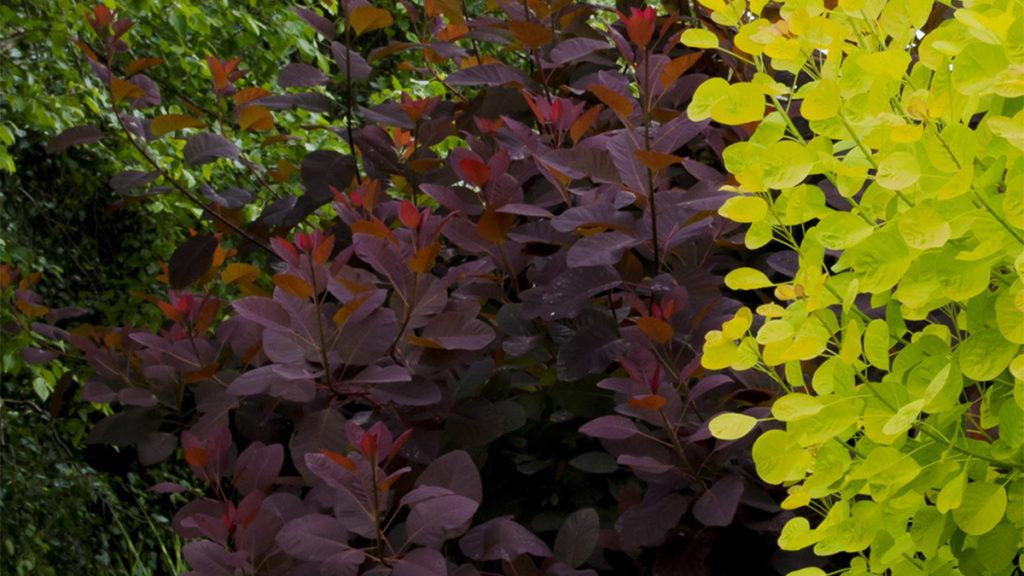
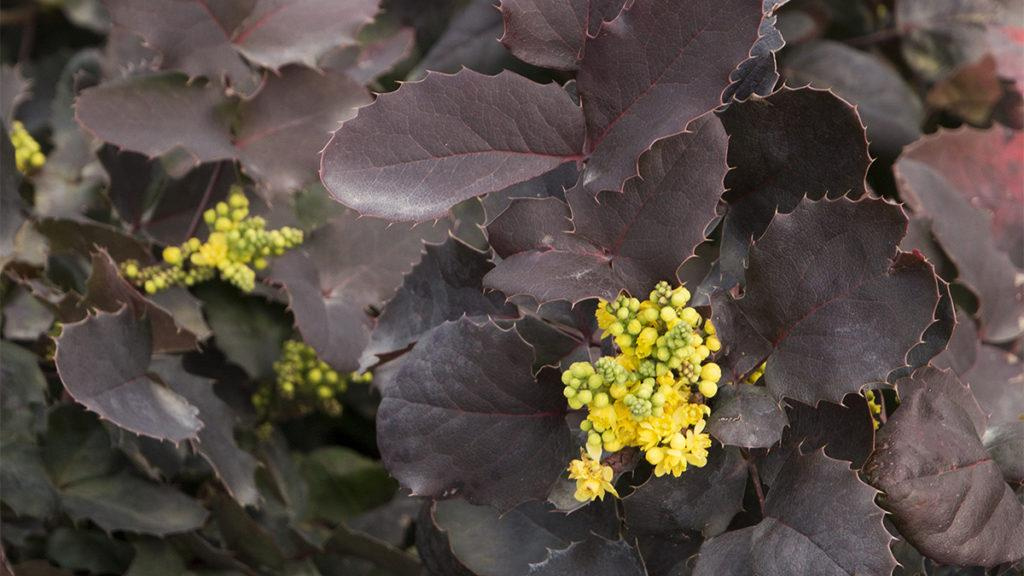
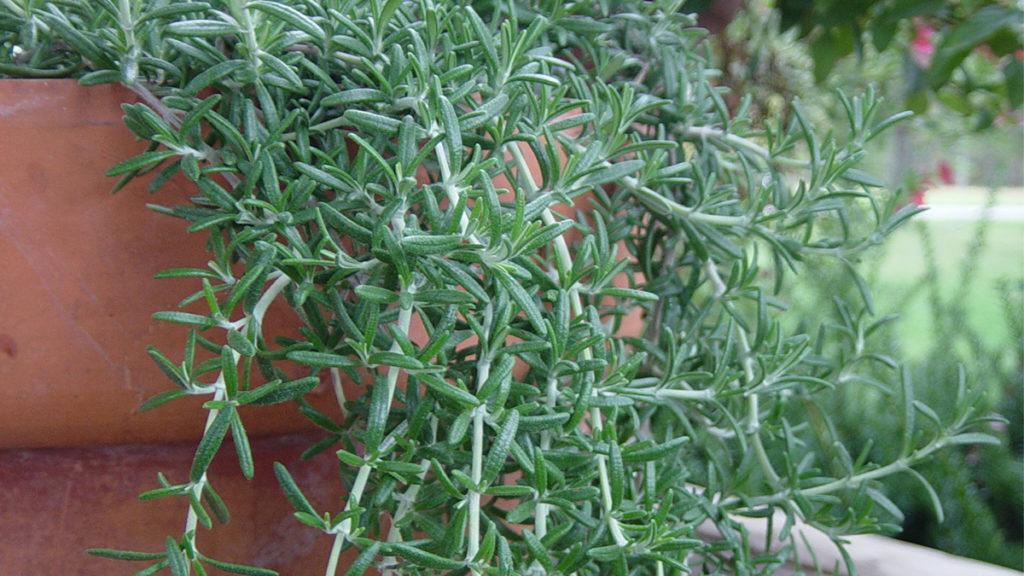
| Companion Plants | Rosemary (Rosmarinus); Bay Laurel (Laurus); Pomegranate (Punica); Lavender (Lavandula); Meyer Lemon (Citrus) |
| Care Instructions | Thrives in average to lean, well-drained soils. Water deeply and regularly during the first growing season to establish an extensive root system. Reduce frequency once established in the landscape; continue to water container plants regularly. Feed with a general purpose fertilizer before new growth begins in spring. |
| History | This dwarf fruitless olive was introduced by Monrovia in 1987. Its ancestor is Olea europea, the fruiting olive of the Mediterranean which descended in antiquity from a scrubby wild olive known in the Holy Land. This Oleaster angustifolia contributes the shorter stature to the contemporary plants. The olive was first planted into Southern California by the mission padres and have contributed to the early landscape character of that region. |
| Lore | A symbol of peace and prosperity, the olive has a long history in the western world, beginning with the ancient Greeks, who named their city Athens after the goddess Athena gave them the olive tree. |
Details
| Description | Dwarf, non-fruiting evergreen with a graceful, multi-branching habit. Deep green leaves have silvery green undersides. Attractive as a formal hedge or specimen shrub. Excellent in topiary form, or trained as a single trunk tree in smaller spaces. Heat, drought and salt tolerant. |
|---|---|
| Bloom Time | Inconspicuous; prized for foliage. |
| Deciduous/Evergreen | Evergreen |
| Special Features | Easy Care, Waterwise, Compact Form |
| Problems/Solutions | Coastal Exposure, Deer Resistant |
| Growth Rate | Moderate |
| Growth Habit | Rounded |
| Patent Act | Asexual reproduction of plants protected by the Plant Patent Act is prohibited during the life of the patent. |
Style
| Landscape Use | Border, Container, Hedge |
|---|---|
| Design Ideas | A small olive with all the Mediterranean look and feel without the size or the fruit. Shrub forms produce beautiful single plants, or line them up into a natural or sheared hedge. Particularly useful along driveways and street side where reflected heat from paving and vehicles would wither less heat hardy species. Trained as patio trees they make outstanding potted specimens, a pair flanking a classical sculpture or an Italian style wall fountain is hard to beat. In ground these patio trees are ideal in vine pockets and along walkways where staccato repeats create bold a semi-formal style. |
| Foliage Color | Green |
| Companion Plants | Rosemary (Rosmarinus); Bay Laurel (Laurus); Pomegranate (Punica); Lavender (Lavandula); Meyer Lemon (Citrus) |
Care
| Care Instructions | Thrives in average to lean, well-drained soils. Water deeply and regularly during the first growing season to establish an extensive root system. Reduce frequency once established in the landscape; continue to water container plants regularly. Feed with a general purpose fertilizer before new growth begins in spring. |
|---|
History
| History | This dwarf fruitless olive was introduced by Monrovia in 1987. Its ancestor is Olea europea, the fruiting olive of the Mediterranean which descended in antiquity from a scrubby wild olive known in the Holy Land. This Oleaster angustifolia contributes the shorter stature to the contemporary plants. The olive was first planted into Southern California by the mission padres and have contributed to the early landscape character of that region. |
|---|---|
| Lore | A symbol of peace and prosperity, the olive has a long history in the western world, beginning with the ancient Greeks, who named their city Athens after the goddess Athena gave them the olive tree. |
Retailers Near You
About Us
We have been pioneers and craftsmen in the art of growing plants for 100 years. Since our founding in Southern California by Harry E. Rosedale, Sr. in 1926, we have been absolutely dedicated and obsessed with quality.
We have been pioneers and craftsmen in the art of growing plants for nearly 100 years. Since our founding in Southern California by Harry E. Rosedale, Sr. in 1926, we have been absolutely dedicated and obsessed with quality.