
You're growing in this Zip Code:
Change LocationDiscover Plants for Your Area
Eastern White Pine
Pinus strobus
Pronunciation: PY-nus STROH-bus
SKU #06548
LIGHT:
Full sun
WATER:
Water when top 2 inches of soil is dry.
SIZE:
Quickly reaches 50 to 80 ft. tall, 15 to 20 ft. wide.

Retailers Near You
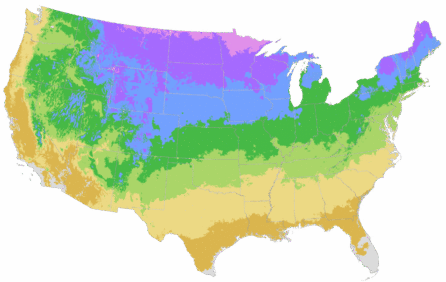

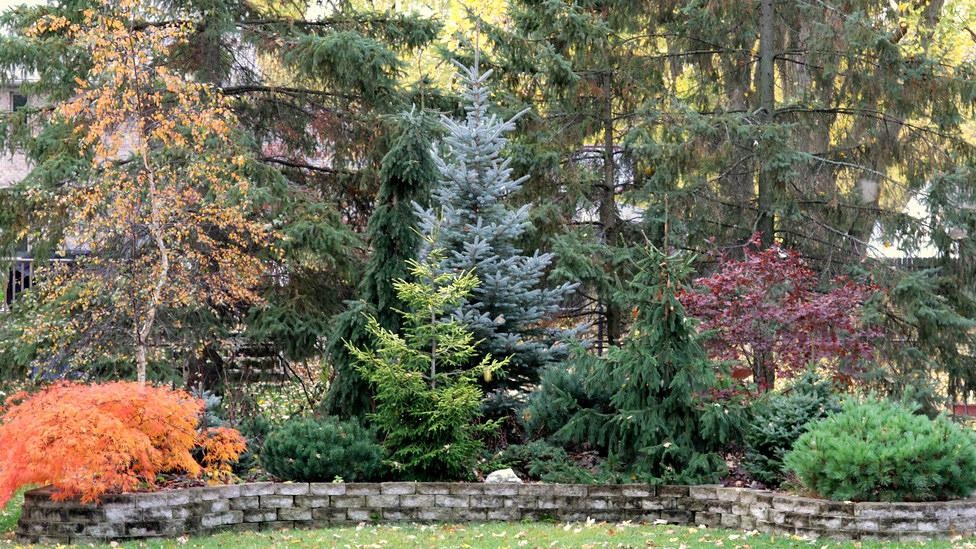
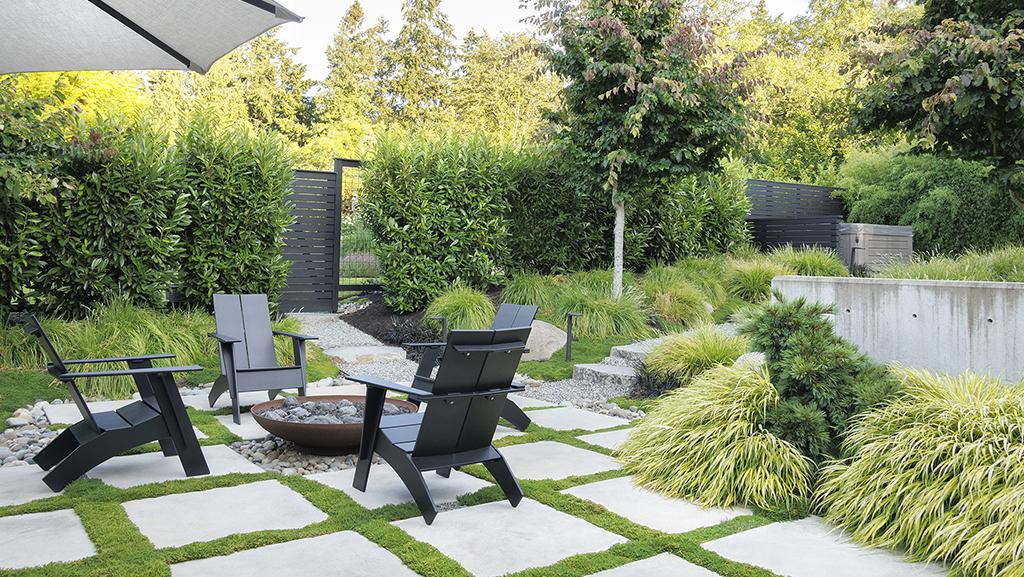
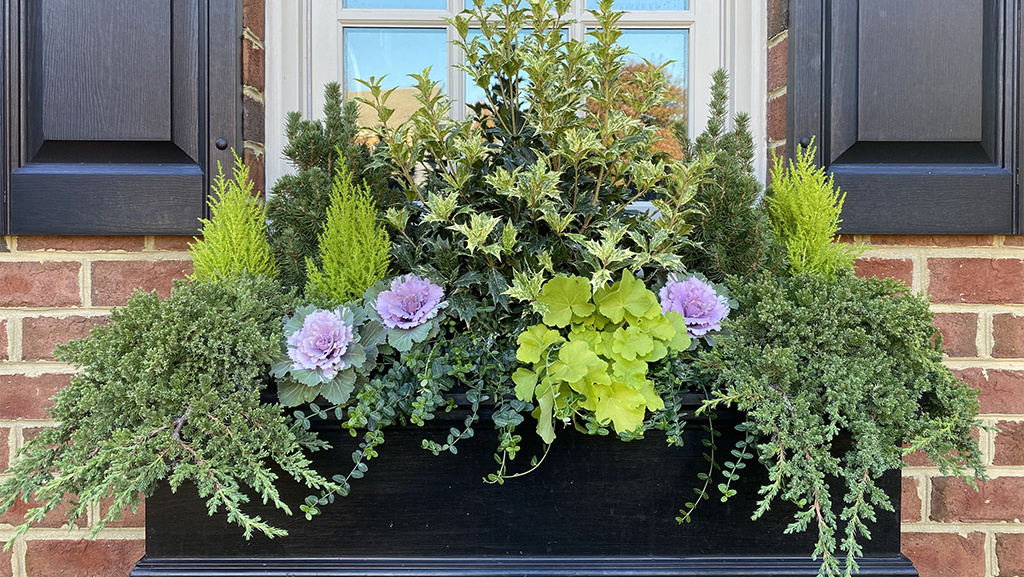
| Description | An extremely useful, fast growing pine perfect for windbreaks and tall screens. The natural pyramidal form with strong horizontal branches holds attractive blue-green needles. A rugged evergreen that adapts well to poor soils. |
|---|---|
| Bloom Time | Conifer; prized for foliage. |
| Deciduous/Evergreen | Evergreen |
| Special Features | Dramatic Foliage Color, Easy Care, Showy Fruit, North American Native, Fast Growing, Benefits Birds |
| Problems/Solutions | Deer Resistant, Rabbit Resistant |
| Growth Rate | Fast |
| Growth Habit | Pyramidal |
| Landscape Use | Privacy Screen, Windbreak |
| Design Ideas | This is one of the most valuable trees for shelterbelts and windbreaks on Midwestern plains because of its rugged nature and speedy growth. Adapts well to dry conditions in the West, both in semidesert and mountain foothill regions where soils are thin and poor. Tall, narrow form makes it valuable for landscaping around tall buildings in the northern states. Useful as sound barriers. A huge tree that requires sizable landscapes to remain in scale. |
| Foliage Color | Blue-green |
| Companion Plants | Japanese Maple (Acer); Winterberry (Ilex); Switch Grass (Panicum); Barberry (Berberis); Dogwood (Cornus) |
| Care Instructions | Prefers fertile, well-drained soils, but highly adaptable; avoid poorly drained, soggy sites. Grows best in full sun. Water deeply, regularly during the first growing season to establish an extensive root system; once established, reduce frequency. Feed before new growth begins in spring. |
| History | This is a great forest tree attaining heights to 150 feet is second only to the sugar pine in stature. It is native to most of Eastern North America and is often the dominant coniferous species. Its genus and species were conferred by Linnaeus in the 18th century. In modern times botanist. John Kunkel Small 1869-1938 of the NY Botanical Garden attempted to reclassify this tree into its own genus as Strobus strobus. Due to ease of transplantation and superior foliage density, this tree has been in cultivation and common in landscapes and urban plantings dating back to the mid 16th century. |
Details
| Description | An extremely useful, fast growing pine perfect for windbreaks and tall screens. The natural pyramidal form with strong horizontal branches holds attractive blue-green needles. A rugged evergreen that adapts well to poor soils. |
|---|---|
| Bloom Time | Conifer; prized for foliage. |
| Deciduous/Evergreen | Evergreen |
| Special Features | Dramatic Foliage Color, Easy Care, Showy Fruit, North American Native, Fast Growing, Benefits Birds |
| Problems/Solutions | Deer Resistant, Rabbit Resistant |
| Growth Rate | Fast |
| Growth Habit | Pyramidal |
Style
| Landscape Use | Privacy Screen, Windbreak |
|---|---|
| Design Ideas | This is one of the most valuable trees for shelterbelts and windbreaks on Midwestern plains because of its rugged nature and speedy growth. Adapts well to dry conditions in the West, both in semidesert and mountain foothill regions where soils are thin and poor. Tall, narrow form makes it valuable for landscaping around tall buildings in the northern states. Useful as sound barriers. A huge tree that requires sizable landscapes to remain in scale. |
| Foliage Color | Blue-green |
| Companion Plants | Japanese Maple (Acer); Winterberry (Ilex); Switch Grass (Panicum); Barberry (Berberis); Dogwood (Cornus) |
Care
| Care Instructions | Prefers fertile, well-drained soils, but highly adaptable; avoid poorly drained, soggy sites. Grows best in full sun. Water deeply, regularly during the first growing season to establish an extensive root system; once established, reduce frequency. Feed before new growth begins in spring. |
|---|
History
| History | This is a great forest tree attaining heights to 150 feet is second only to the sugar pine in stature. It is native to most of Eastern North America and is often the dominant coniferous species. Its genus and species were conferred by Linnaeus in the 18th century. In modern times botanist. John Kunkel Small 1869-1938 of the NY Botanical Garden attempted to reclassify this tree into its own genus as Strobus strobus. Due to ease of transplantation and superior foliage density, this tree has been in cultivation and common in landscapes and urban plantings dating back to the mid 16th century. |
|---|
Retailers Near You
About Us
We have been pioneers and craftsmen in the art of growing plants for 100 years. Since our founding in Southern California by Harry E. Rosedale, Sr. in 1926, we have been absolutely dedicated and obsessed with quality.
We have been pioneers and craftsmen in the art of growing plants for nearly 100 years. Since our founding in Southern California by Harry E. Rosedale, Sr. in 1926, we have been absolutely dedicated and obsessed with quality.