
You're growing in this Zip Code:
Discover Plants for Your Area


Porcupine Grass
Miscanthus sinensis 'Strictus'
Pronunciation: miss-KANTH-us sy-NEN-sis
SKU #06155
LIGHT:
Full sun
WATER:
Water when top 2 inches of soil is dry.
SIZE:
Moderate growing; forms clumps 8 ft. tall, 3 ft. wide.

Home Delivery Price
?
- Arrives in 3 to 7 days
- Free shipping on orders over $149
- Perfect Start Promise
Select Quantity
Retailers Near You
This Plant's Growing Zones: 4-9
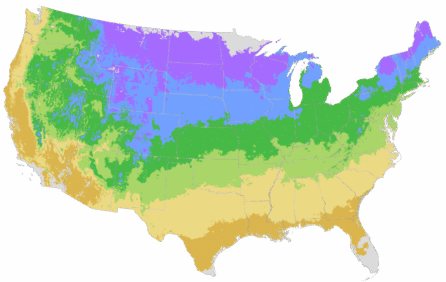
Your USDA Cold Hardiness Zone: 8
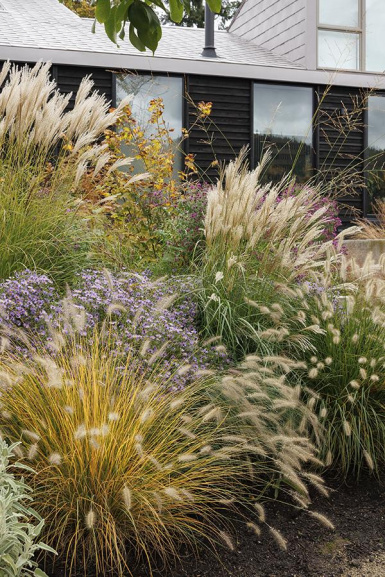
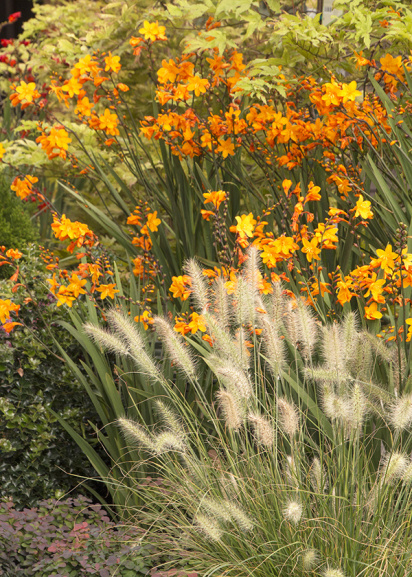
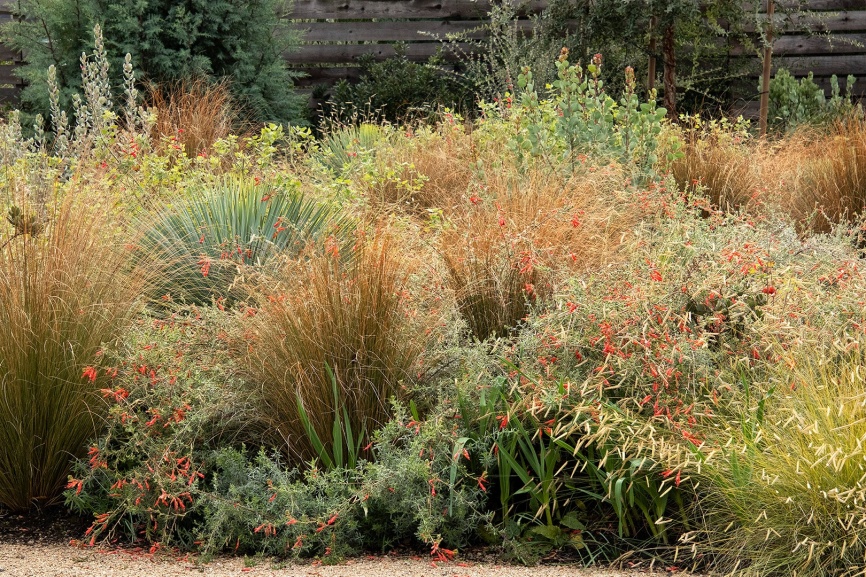
| Description | A more upright form to this improved habit; not as relaxed and vase-shaped as 'Zebrinus'. Green foliage is highlighted by dramatic horizontal golden bands. Reddish bronze plumes rise above the foliage in summer. Works well for use as a single specimen or in groupings. |
|---|---|
| Bloom Time | Late summer into fall |
| Deciduous/Evergreen | Herbaceous |
| Special Features | Dramatic Foliage Color, Easy Care, Waterwise, Heat Loving, Fast Growing, Benefits Birds |
| Problems/Solutions | Coastal Exposure, Deer Resistant |
| Growth Rate | Moderate |
| Growth Habit | Clumping |
| Landscape Use | Border |
| Design Ideas | Big gardens use big grasses for dramatic compositions. Porcupine is a tall columnar grass that will serve as a strong vertical corner for perennial borders. Also great for narrow areas near gates or corners. Fits well into small planters in courtyards too. Ideal for large landscape gardens when planted beside water features, dry stream beds, rock outcroppings and huge landscape boulders. Also quite nice in large glazed ceramic pots. |
| Flower Color | Red |
| Foliage Color | Green |
| Companion Plants | Juniper (Juniperus); Aster (Aster); Potentilla (Potentilla); Cranesbill (Geranium); Ninebark (Physocarpus); Catmint (Nepeta) |
| Care Instructions | Easily grown in average, evenly moist, well-drained, loamy soils. Water deeply and regularly during the first growing season to establish an extensive root system; once established, tolerates moderate dry spells. Cut foliage clumps back to 3 inches above the ground and apply fertilizer in late winter to early spring. |
| History | Miscanthus sinensis is native to Eastern Asia including Japan, China and Korea. Grown in temperate regions throughout the world, it has become invasive in parts of North America. The fiberous texture of the leaf is often used in papermaking. |
Details
| Description | A more upright form to this improved habit; not as relaxed and vase-shaped as 'Zebrinus'. Green foliage is highlighted by dramatic horizontal golden bands. Reddish bronze plumes rise above the foliage in summer. Works well for use as a single specimen or in groupings. |
|---|---|
| Bloom Time | Late summer into fall |
| Deciduous/Evergreen | Herbaceous |
| Special Features | Dramatic Foliage Color, Easy Care, Waterwise, Heat Loving, Fast Growing, Benefits Birds |
| Problems/Solutions | Coastal Exposure, Deer Resistant |
| Growth Rate | Moderate |
| Growth Habit | Clumping |
Style
| Landscape Use | Border |
|---|---|
| Design Ideas | Big gardens use big grasses for dramatic compositions. Porcupine is a tall columnar grass that will serve as a strong vertical corner for perennial borders. Also great for narrow areas near gates or corners. Fits well into small planters in courtyards too. Ideal for large landscape gardens when planted beside water features, dry stream beds, rock outcroppings and huge landscape boulders. Also quite nice in large glazed ceramic pots. |
| Flower Color | Red |
| Foliage Color | Green |
| Companion Plants | Juniper (Juniperus); Aster (Aster); Potentilla (Potentilla); Cranesbill (Geranium); Ninebark (Physocarpus); Catmint (Nepeta) |
Care
| Care Instructions | Easily grown in average, evenly moist, well-drained, loamy soils. Water deeply and regularly during the first growing season to establish an extensive root system; once established, tolerates moderate dry spells. Cut foliage clumps back to 3 inches above the ground and apply fertilizer in late winter to early spring. |
|---|
History
| History | Miscanthus sinensis is native to Eastern Asia including Japan, China and Korea. Grown in temperate regions throughout the world, it has become invasive in parts of North America. The fiberous texture of the leaf is often used in papermaking. |
|---|
Retailers Near You
About Us
We have been pioneers and craftsmen in the art of growing plants for 100 years. Since our founding in Southern California by Harry E. Rosedale, Sr. in 1926, we have been absolutely dedicated and obsessed with quality.
We have been pioneers and craftsmen in the art of growing plants for nearly 100 years. Since our founding in Southern California by Harry E. Rosedale, Sr. in 1926, we have been absolutely dedicated and obsessed with quality.