
You're growing in this Zip Code:
Discover Plants for Your Area
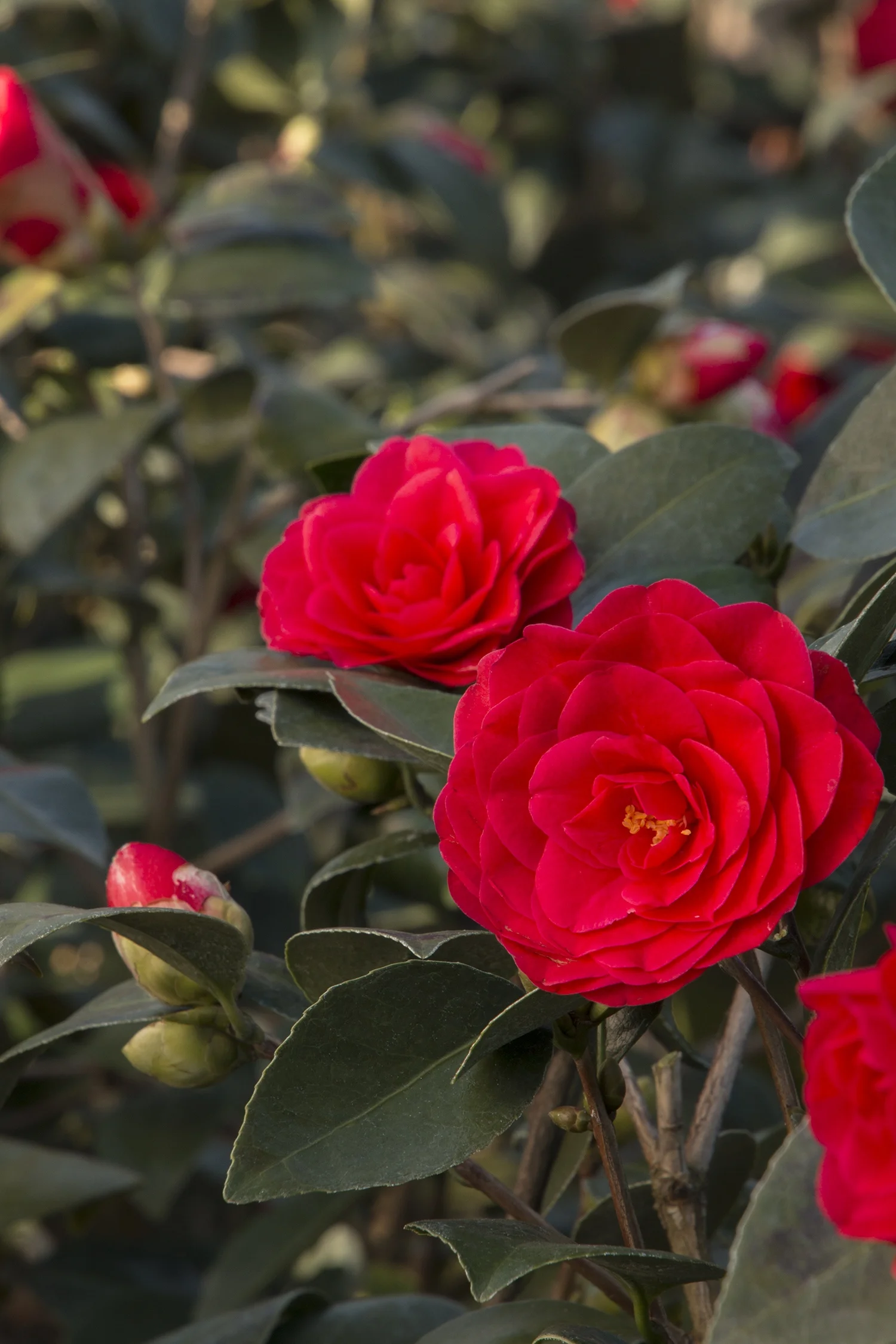
Glen 40 Camellia
Camellia japonica 'Glen 40'
Pronunciation: kuh-MEE-lee-uh juh-PON-ih-kuh
SKU #01747
LIGHT:
Filtered sun, Full shade, Partial shade, Partial sun
WATER:
Water when top 3 inches of soil is dry.
SIZE:
Moderate growing 6 to 8 ft. tall and wide, larger with age.

Retailers Near You
Ready to Grow?
Ship Monrovia plants directly to your door. Browse a curated selection available online.
Shop Now >This Plant's Growing Zones: 8-10
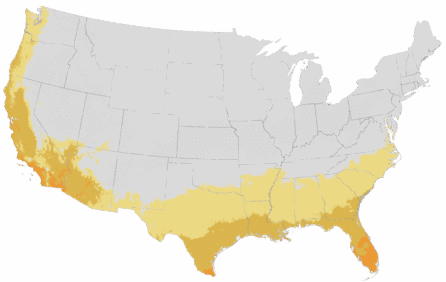
Your USDA Cold Hardiness Zone:
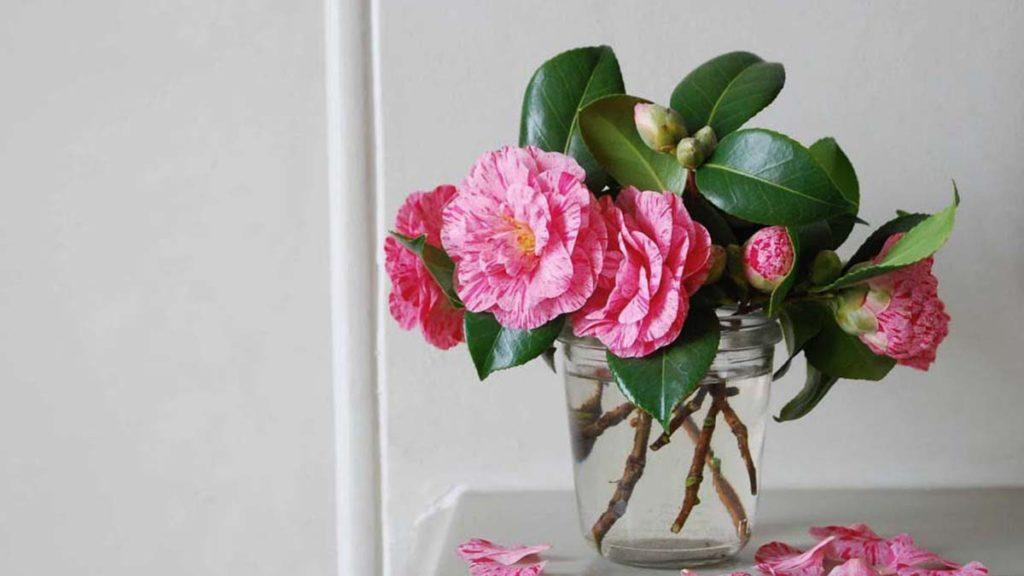
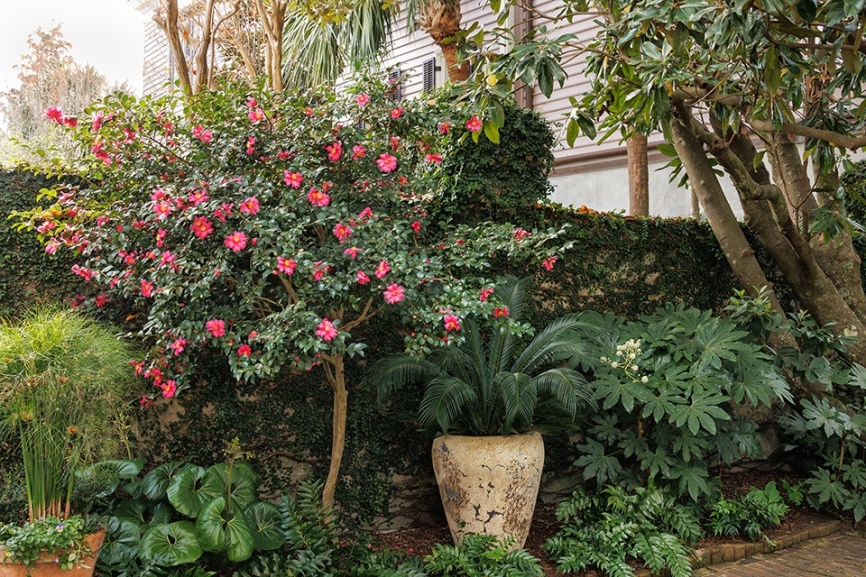
| Description | Spectacular, deep red, formal double blooms are displayed against glossy, dark green foliage. Colorful accent for the shade. A prized plant of the milder regions of the U.S. Use as a stand-alone statement or massed for a flowering privacy screen. Blooms winter to mid-spring, depending on climate. Evergreen. |
|---|---|
| Bloom Time | Winter through mid-spring |
| Deciduous/Evergreen | Evergreen |
| Special Features | Non-toxic to Cats and Dogs |
| Growth Rate | Moderate |
| Growth Habit | Upright |
| Flower Attributes | Flowers for Cutting, Long Bloom Season, Showy Flowers |
| Landscape Use | Border, Container, Espalier, Privacy Screen |
| Design Ideas | Be sure to keep this beauty in viewing distance in patio beds, containers or decorating the foundation plantings around your house. Great as an espalier to cover walls. If set back in a woodland setting, plant in mass and complement with low growing perennials. A wonderful specimen in Asian gardens and believed to bring wealth if planted at the entrance to your home, as are other red flowering plants. |
| Flower Color | Red |
| Foliage Color | Dark Green |
| Companion Plants | Lily of the Valley Shrub (Pieris); False Cypress (Chamaecyparis); Peony (Paeonia); Japanese Maple (Acer palmatum); Astilbe (Astilbe) |
| Care Instructions | Provide organically rich, well-drained, acidic soil. Keep roots cool with a thick layer of mulch. Water deeply and regularly during the first growing season to establish an extensive root system; reduce frequency, once established. Feed with an acid fertilizer after flowering. |
| History | Camellias are native to eastern and southern Asia. C. japonica was imported into the Philippines but is native to China, Japan, Korea and Taiwan. The genus Camellia was named by Carolus Linnaeus who named it for a Jesuit missionary Georg Kamel, who cultivated an important garden of local medicinal plants on the Philippine Island of Luzon in the 17th century. 'Glen 40' originated at Azalea Glen Nursery in Loxley, AL in 1942. Red camellias are a symbol of wealth and white Camellias signify loveliness. Camellias represent longevity and faithfulness and have long been a primary floral component in Asian weddings. |
Details
| Description | Spectacular, deep red, formal double blooms are displayed against glossy, dark green foliage. Colorful accent for the shade. A prized plant of the milder regions of the U.S. Use as a stand-alone statement or massed for a flowering privacy screen. Blooms winter to mid-spring, depending on climate. Evergreen. |
|---|---|
| Bloom Time | Winter through mid-spring |
| Deciduous/Evergreen | Evergreen |
| Special Features | Non-toxic to Cats and Dogs |
| Growth Rate | Moderate |
| Growth Habit | Upright |
| Flower Attributes | Flowers for Cutting, Long Bloom Season, Showy Flowers |
Style
| Landscape Use | Border, Container, Espalier, Privacy Screen |
|---|---|
| Design Ideas | Be sure to keep this beauty in viewing distance in patio beds, containers or decorating the foundation plantings around your house. Great as an espalier to cover walls. If set back in a woodland setting, plant in mass and complement with low growing perennials. A wonderful specimen in Asian gardens and believed to bring wealth if planted at the entrance to your home, as are other red flowering plants. |
| Flower Color | Red |
| Foliage Color | Dark Green |
| Companion Plants | Lily of the Valley Shrub (Pieris); False Cypress (Chamaecyparis); Peony (Paeonia); Japanese Maple (Acer palmatum); Astilbe (Astilbe) |
Care
| Care Instructions | Provide organically rich, well-drained, acidic soil. Keep roots cool with a thick layer of mulch. Water deeply and regularly during the first growing season to establish an extensive root system; reduce frequency, once established. Feed with an acid fertilizer after flowering. |
|---|
History
| History | Camellias are native to eastern and southern Asia. C. japonica was imported into the Philippines but is native to China, Japan, Korea and Taiwan. The genus Camellia was named by Carolus Linnaeus who named it for a Jesuit missionary Georg Kamel, who cultivated an important garden of local medicinal plants on the Philippine Island of Luzon in the 17th century. 'Glen 40' originated at Azalea Glen Nursery in Loxley, AL in 1942. Red camellias are a symbol of wealth and white Camellias signify loveliness. Camellias represent longevity and faithfulness and have long been a primary floral component in Asian weddings. |
|---|
Retailers Near You
About Us
We have been pioneers and craftsmen in the art of growing plants for 100 years. Since our founding in Southern California by Harry E. Rosedale, Sr. in 1926, we have been absolutely dedicated and obsessed with quality.
We have been pioneers and craftsmen in the art of growing plants for nearly 100 years. Since our founding in Southern California by Harry E. Rosedale, Sr. in 1926, we have been absolutely dedicated and obsessed with quality.