
You're growing in this Zip Code:
Change LocationDiscover Plants for Your Area
Sweet Autumn Clematis
Clematis terniflora
Pronunciation: KLEM-a-tus tern-ih-FLOR-uh
SKU #02747
LIGHT:
Full sun, Partial sun
WATER:
Water deeply when top inch of soil is dry.
SIZE:
Fast growing, twining stems reach 20 ft. tall, with support.

Retailers Near You
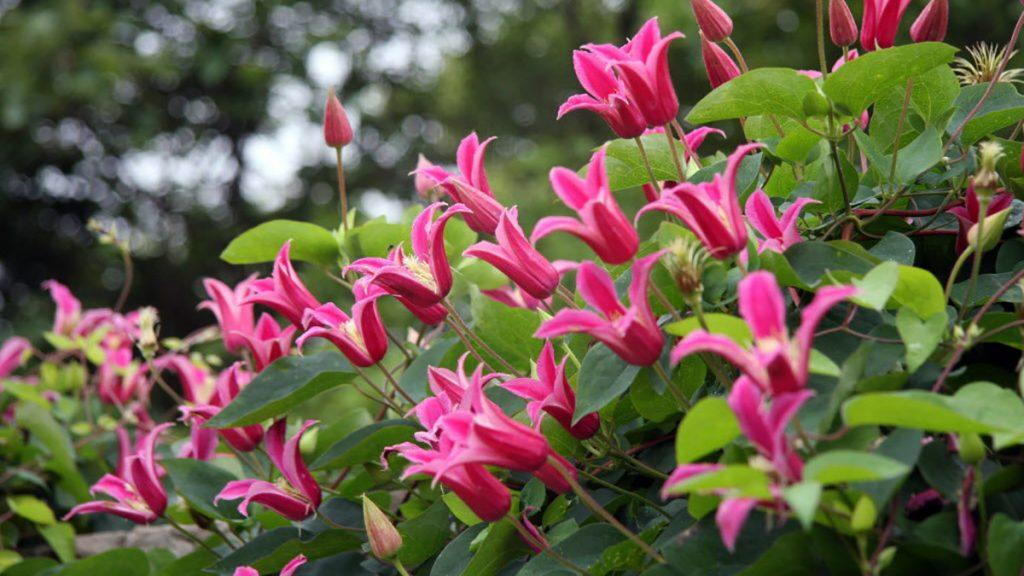
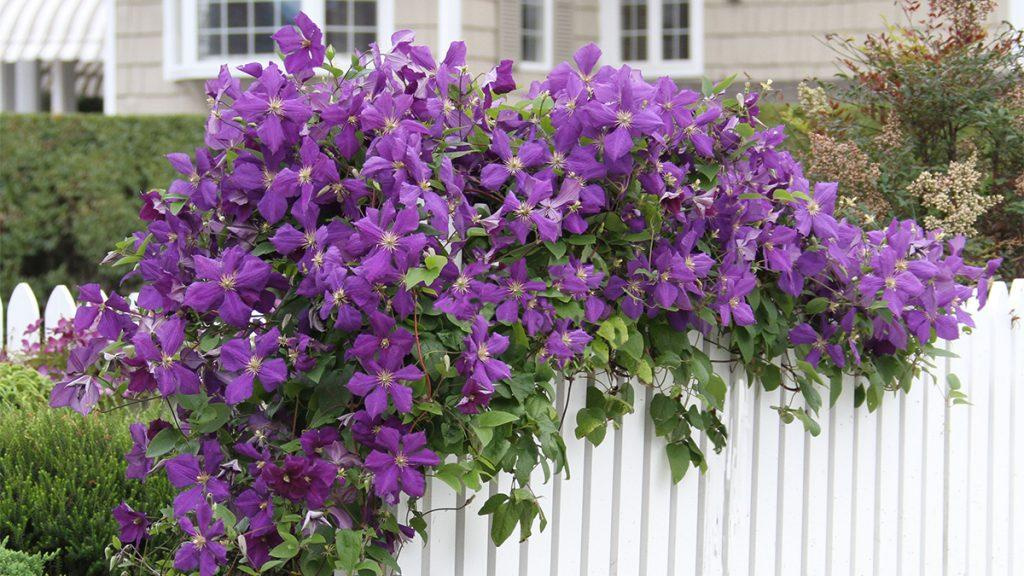
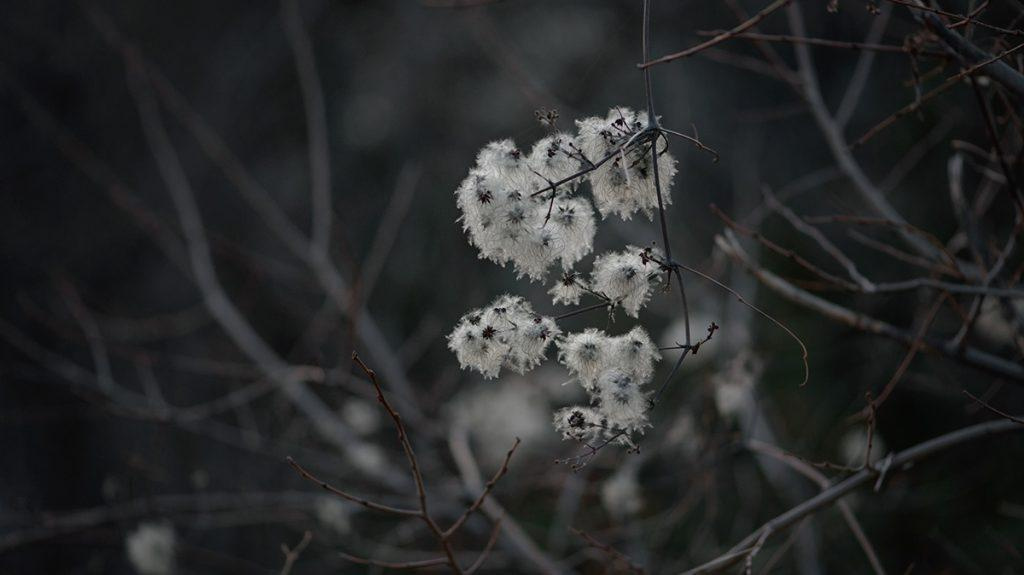
| Description | This handsome climbing vine displays billowy masses of fragrant flowers against leathery dark green leaves. Grows rapidly in warm temperatures with twining stems that quickly cover fences, arbors, and sheds. Flowers emerge late summer to fall, followed by silvery seed heads. Excellent for a fall accent and cut flowers. Deciduous. Pruning Group: 3 |
|---|---|
| Bloom Time | Late summer into fall |
| Deciduous/Evergreen | Deciduous |
| Special Features | Easy Care, Attracts Pollinators, Fast Growing |
| Problems/Solutions | Black Walnut Tolerant |
| Growth Rate | Fast |
| Growth Habit | Climbing |
| Flower Attributes | Flowers for Cutting, Fragrant, Showy Flowers |
| Landscape Use | Border, Espalier, Privacy Screen, Ground Cover |
| Design Ideas | This assertive grower makes a good screen on a trellis for hiding the potting bench or trash cans. (You would never guess what's behind such a beautiful vine!) It should be planted where you can admire the fragrant autumn flowers and silvery seed heads that follow. |
| Flower Color | White |
| Foliage Color | Green |
| Companion Plants | Japanese Maple (Acer); Climbing Rose (Rosa); Daylily (Hemerocallis); Hydrangea (Hydrangea); Butterfly Bush (Buddleja) |
| Care Instructions | Thrives in well-drained, slightly alkaline soil, with roots sheltered and top growth in the sun. Mulch soil surface to conserve moisture. Water deeply, regularly in first growing season to establish extensive root system; reduce frequency once established. Hard prune and fertilize in early spring. Provide support of a trellis or arbor. Pruning Group: 3 |
| History | Sweet Autumn Clematis (Clematis terniflora) is frequently labeled as Clematis paniculata, however they are two separate, distinguishable species. Clematis terniflora has distinctive, narrow-petaled, flowers with typically 4 (but sometimes 5) white petals and much of the trifoliate foliage has a wider cordate (heart-shaped) base; Clematis paniculata has a narrower leaf base and fuller flowers, typically with 6 (but sometimes more) petals. |
| Lore | A prolific grower and bloomer, sweet autumn clematis has the ability to produce many seed heads and prolifically reseed. This allows it to quickly naturalize in some southern states, if left unchecked. However, when properly maintained, this vine can be a welcome asset to the garden, providing fast coverage and blooms at a time of year when little else is of interest. |
Details
| Description | This handsome climbing vine displays billowy masses of fragrant flowers against leathery dark green leaves. Grows rapidly in warm temperatures with twining stems that quickly cover fences, arbors, and sheds. Flowers emerge late summer to fall, followed by silvery seed heads. Excellent for a fall accent and cut flowers. Deciduous. Pruning Group: 3 |
|---|---|
| Bloom Time | Late summer into fall |
| Deciduous/Evergreen | Deciduous |
| Special Features | Easy Care, Attracts Pollinators, Fast Growing |
| Problems/Solutions | Black Walnut Tolerant |
| Growth Rate | Fast |
| Growth Habit | Climbing |
| Flower Attributes | Flowers for Cutting, Fragrant, Showy Flowers |
Style
| Landscape Use | Border, Espalier, Privacy Screen, Ground Cover |
|---|---|
| Design Ideas | This assertive grower makes a good screen on a trellis for hiding the potting bench or trash cans. (You would never guess what's behind such a beautiful vine!) It should be planted where you can admire the fragrant autumn flowers and silvery seed heads that follow. |
| Flower Color | White |
| Foliage Color | Green |
| Companion Plants | Japanese Maple (Acer); Climbing Rose (Rosa); Daylily (Hemerocallis); Hydrangea (Hydrangea); Butterfly Bush (Buddleja) |
Care
| Care Instructions | Thrives in well-drained, slightly alkaline soil, with roots sheltered and top growth in the sun. Mulch soil surface to conserve moisture. Water deeply, regularly in first growing season to establish extensive root system; reduce frequency once established. Hard prune and fertilize in early spring. Provide support of a trellis or arbor. Pruning Group: 3 |
|---|
History
| History | Sweet Autumn Clematis (Clematis terniflora) is frequently labeled as Clematis paniculata, however they are two separate, distinguishable species. Clematis terniflora has distinctive, narrow-petaled, flowers with typically 4 (but sometimes 5) white petals and much of the trifoliate foliage has a wider cordate (heart-shaped) base; Clematis paniculata has a narrower leaf base and fuller flowers, typically with 6 (but sometimes more) petals. |
|---|---|
| Lore | A prolific grower and bloomer, sweet autumn clematis has the ability to produce many seed heads and prolifically reseed. This allows it to quickly naturalize in some southern states, if left unchecked. However, when properly maintained, this vine can be a welcome asset to the garden, providing fast coverage and blooms at a time of year when little else is of interest. |
Retailers Near You
About Us
We have been pioneers and craftsmen in the art of growing plants for 100 years. Since our founding in Southern California by Harry E. Rosedale, Sr. in 1926, we have been absolutely dedicated and obsessed with quality.
We have been pioneers and craftsmen in the art of growing plants for nearly 100 years. Since our founding in Southern California by Harry E. Rosedale, Sr. in 1926, we have been absolutely dedicated and obsessed with quality.