
You're growing in this Zip Code:
Change LocationDiscover Plants for Your Area
Sweet Bay
Laurus nobilis
Pronunciation: LAW-rus no-BIL-is
SKU #05729
LIGHT:
Full sun, Partial sun
WATER:
Water when top 3 inches of soil is dry.
SIZE:
Slowly reaches 12 to 15 ft. tall and wide.

Retailers Near You
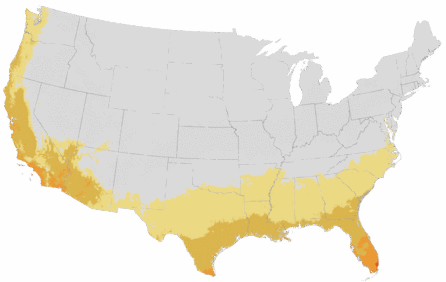
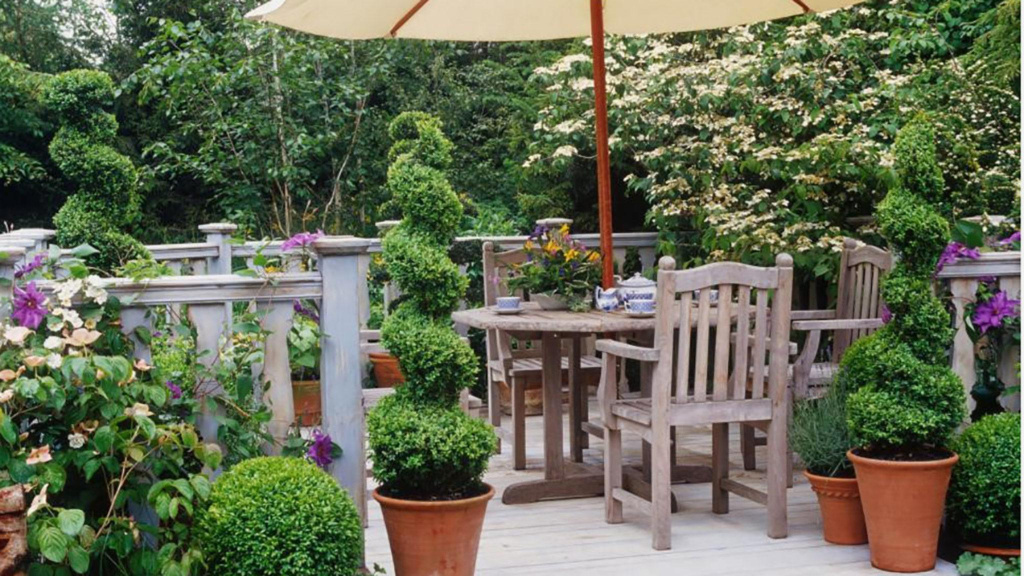

| Description | A slender conical form that slowly grows into a small, shapely tree. Dark green, highly aromatic foliage is valued as a flavorful culinary seasoning. Can be clipped into a formal hedge or topiary form. Thrives in containers. Drought tolerant in the landscape, once established. Evergreen. |
|---|---|
| Bloom Time | Inconspicuous |
| Deciduous/Evergreen | Evergreen |
| Special Features | Easy Care, Ornamental Berries, Waterwise, Edible, Compact Form, Benefits Birds |
| Problems/Solutions | Coastal Exposure, Deer Resistant, Drought Tolerant |
| Growth Rate | Slow |
| Growth Habit | Pyramidal |
| Landscape Use | Container, Hedge, Windbreak, Suitable for Topiary |
| Design Ideas | This is a fantastic evergreen tree and is the source of culinary bay and the famous laurels of Greek antiquity. Perfect planted in its natural form as a screen or single specimen for all Mediterranean-inspired landscapes. Best as a neatly clipped standard patio tree or topiary form, often planted in matched pairs for symmetrical compositions. Three or more are charming and formal when lined up orchard-style in beds and borders. Fits very well into small gardens and city courtyards. As a patio tree, it is most attractive when planted in classical Greco-Roman terra-cotta pots. |
| Flower Color | Yellow |
| Foliage Color | Green |
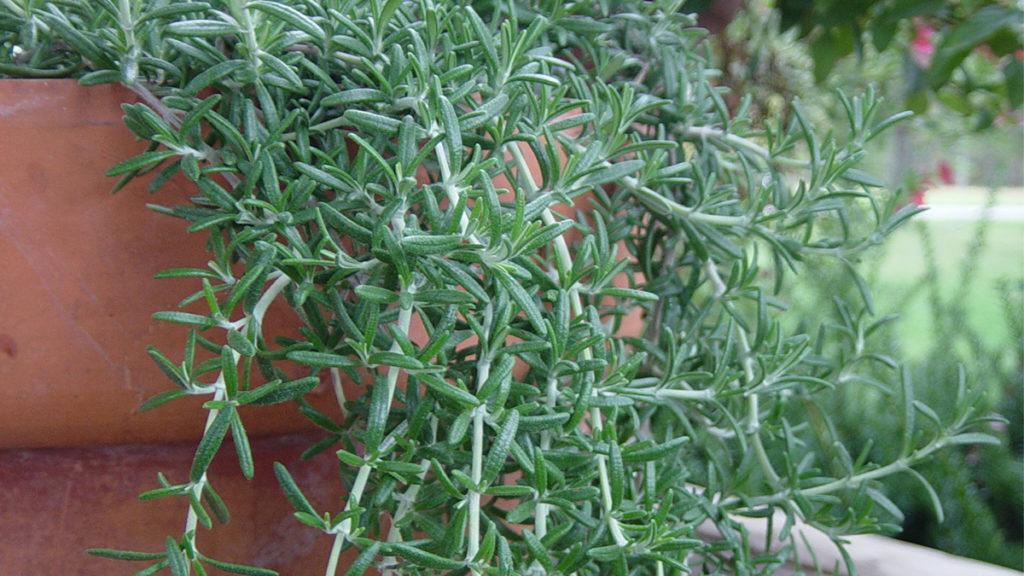
| Companion Plants | Pomegranate (Punica); Rosemary (Rosmarinus); Lavender (Lavandula); Olive (Olea); Meyer Lemon (Citrus) |
| Care Instructions | Provide enriched, well-drained soil. Water deeply and regularly during the first growing season to develop an extensive root system. Once established, reduce frequency; tolerates moderate drought. Apply fertilizer as new growth begins in spring. Slow growing; prune only as needed to maintain desired size and shape. |
| History | L. nobilis is native to the Southern Mediterranean region where it can reach 60 ft. in height in its native range. |
| Lore | The ancient Greeks and Romans fashioned bay laurel leaves into wreaths to be worn as crowns by the winners in sporting events. Laurel has always symbolized victory and merit and is proudly displayed on the National Emblem of Greece. The oil pressed from the berries is used in perfumes, candles, soap as well as in topical creams for sore muscles and arthritis. |
Details
| Description | A slender conical form that slowly grows into a small, shapely tree. Dark green, highly aromatic foliage is valued as a flavorful culinary seasoning. Can be clipped into a formal hedge or topiary form. Thrives in containers. Drought tolerant in the landscape, once established. Evergreen. |
|---|---|
| Bloom Time | Inconspicuous |
| Deciduous/Evergreen | Evergreen |
| Special Features | Easy Care, Ornamental Berries, Waterwise, Edible, Compact Form, Benefits Birds |
| Problems/Solutions | Coastal Exposure, Deer Resistant, Drought Tolerant |
| Growth Rate | Slow |
| Growth Habit | Pyramidal |
Style
| Landscape Use | Container, Hedge, Windbreak, Suitable for Topiary |
|---|---|
| Design Ideas | This is a fantastic evergreen tree and is the source of culinary bay and the famous laurels of Greek antiquity. Perfect planted in its natural form as a screen or single specimen for all Mediterranean-inspired landscapes. Best as a neatly clipped standard patio tree or topiary form, often planted in matched pairs for symmetrical compositions. Three or more are charming and formal when lined up orchard-style in beds and borders. Fits very well into small gardens and city courtyards. As a patio tree, it is most attractive when planted in classical Greco-Roman terra-cotta pots. |
| Flower Color | Yellow |
| Foliage Color | Green |
| Companion Plants | Pomegranate (Punica); Rosemary (Rosmarinus); Lavender (Lavandula); Olive (Olea); Meyer Lemon (Citrus) |
Care
| Care Instructions | Provide enriched, well-drained soil. Water deeply and regularly during the first growing season to develop an extensive root system. Once established, reduce frequency; tolerates moderate drought. Apply fertilizer as new growth begins in spring. Slow growing; prune only as needed to maintain desired size and shape. |
|---|
History
| History | L. nobilis is native to the Southern Mediterranean region where it can reach 60 ft. in height in its native range. |
|---|---|
| Lore | The ancient Greeks and Romans fashioned bay laurel leaves into wreaths to be worn as crowns by the winners in sporting events. Laurel has always symbolized victory and merit and is proudly displayed on the National Emblem of Greece. The oil pressed from the berries is used in perfumes, candles, soap as well as in topical creams for sore muscles and arthritis. |
Retailers Near You
About Us
We have been pioneers and craftsmen in the art of growing plants for 100 years. Since our founding in Southern California by Harry E. Rosedale, Sr. in 1926, we have been absolutely dedicated and obsessed with quality.
We have been pioneers and craftsmen in the art of growing plants for nearly 100 years. Since our founding in Southern California by Harry E. Rosedale, Sr. in 1926, we have been absolutely dedicated and obsessed with quality.