
You're growing in this Zip Code:
Change LocationDiscover Plants for Your Area
Vine Maple
Acer circinatum
Pronunciation: AY-ser sir-sin-AY-tum
SKU #00041
LIGHT:
Full sun, Partial sun
WATER:
Keep soil consistently moist but not soggy.
SIZE:
Grows to 25 to 30 ft. tall and wide in full sun, smaller in shade.

Retailers Near You
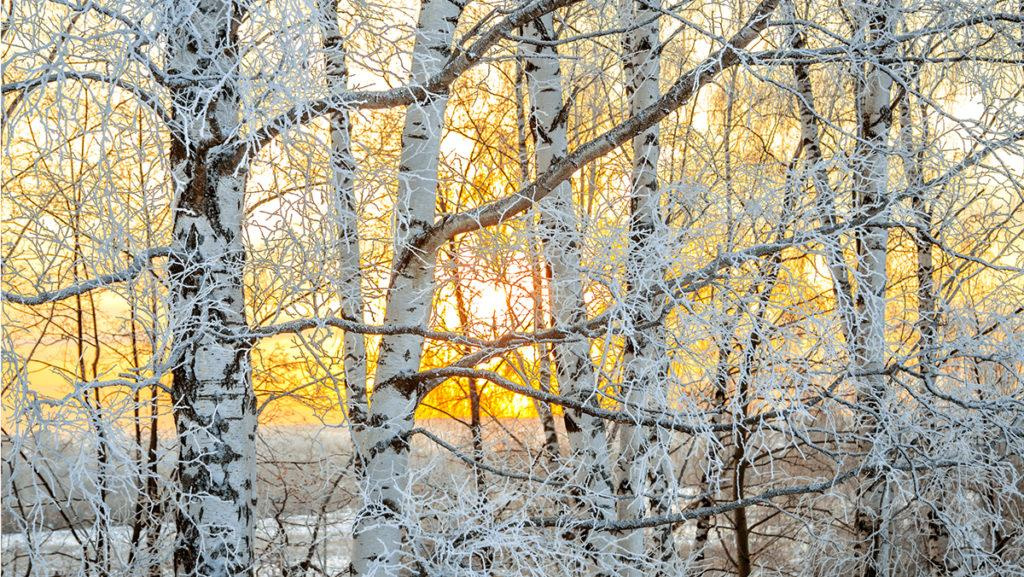
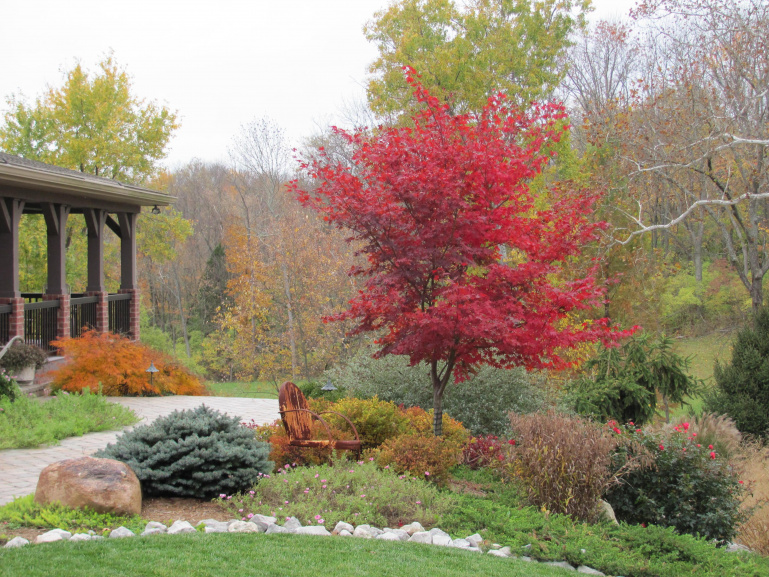

| Description | Delicate deciduous shrub or small tree, well-suited in the shadow of larger trees. Reddish color to new spring foliage. Interesting winter effect from branching patterns. Colorful fall foliage. |
|---|---|
| Bloom Time | Spring |
| Deciduous/Evergreen | Deciduous |
| Special Features | Fall Color, North American Native |
| Problems/Solutions | Deer Resistant, Rabbit Resistant |
| Growth Rate | Moderate |
| Growth Habit | Spreading |
| Design Ideas | True to its name, this plant tends to vine when planted in a shady spot, its multiple stems sprawling beautifully through companions. In fall, it splashes color in a woodsy understory and looks brilliant planted with dark conifers. Planted in the sun, it grows into a small, airy tree. Use several to make an arching, shady bower. Espalier against a shady north wall to showcase its attractive structure during winter. |
| Flower Color | Purple |
| Foliage Color | Green |
| Foliage Fall Color | Orange |
| Companion Plants | Likes to associate with evergreens and conifers in the bright shade under their canopy. Plant with Camellia (Camellia japonica), Strawberry Tree (Arbutus unedo), Blueberry and Kousa Dogwood (Cornus kousa). Ideal with showy perennials 'Rheinland', 'Deutschland', and 'Fanal' Astilbe (Astilbe x arendsii). Underplant with Hosta and Fern. |
| Care Instructions | Follow a regular watering schedule during the first growing season to establish a deep, extensive root system. Watering can be reduced after establishment. Feed with a general purpose fertilizer before new growth begins in spring. |
| History | The maple family contains just two genera with Acer the most well known and named from the old world Latin title for the trees. This large genus cotnains about 200 species of treees and shrubs from northern temperate regions around the world. This shrubby species is native to the Pacific Northwest ranging from British Columbia to Northern California. It was named by Frederick Pursh, a German botanist who became an authority on North American plants. It was introduced into cultivaton in 1826 by noted western American botanist and explorer, David Douglas. |
Details
| Description | Delicate deciduous shrub or small tree, well-suited in the shadow of larger trees. Reddish color to new spring foliage. Interesting winter effect from branching patterns. Colorful fall foliage. |
|---|---|
| Bloom Time | Spring |
| Deciduous/Evergreen | Deciduous |
| Special Features | Fall Color, North American Native |
| Problems/Solutions | Deer Resistant, Rabbit Resistant |
| Growth Rate | Moderate |
| Growth Habit | Spreading |
Style
| Design Ideas | True to its name, this plant tends to vine when planted in a shady spot, its multiple stems sprawling beautifully through companions. In fall, it splashes color in a woodsy understory and looks brilliant planted with dark conifers. Planted in the sun, it grows into a small, airy tree. Use several to make an arching, shady bower. Espalier against a shady north wall to showcase its attractive structure during winter. |
|---|---|
| Flower Color | Purple |
| Foliage Color | Green |
| Foliage Fall Color | Orange |
| Companion Plants | Likes to associate with evergreens and conifers in the bright shade under their canopy. Plant with Camellia (Camellia japonica), Strawberry Tree (Arbutus unedo), Blueberry and Kousa Dogwood (Cornus kousa). Ideal with showy perennials 'Rheinland', 'Deutschland', and 'Fanal' Astilbe (Astilbe x arendsii). Underplant with Hosta and Fern. |
Care
| Care Instructions | Follow a regular watering schedule during the first growing season to establish a deep, extensive root system. Watering can be reduced after establishment. Feed with a general purpose fertilizer before new growth begins in spring. |
|---|
History
| History | The maple family contains just two genera with Acer the most well known and named from the old world Latin title for the trees. This large genus cotnains about 200 species of treees and shrubs from northern temperate regions around the world. This shrubby species is native to the Pacific Northwest ranging from British Columbia to Northern California. It was named by Frederick Pursh, a German botanist who became an authority on North American plants. It was introduced into cultivaton in 1826 by noted western American botanist and explorer, David Douglas. |
|---|
Retailers Near You
About Us
We have been pioneers and craftsmen in the art of growing plants for 100 years. Since our founding in Southern California by Harry E. Rosedale, Sr. in 1926, we have been absolutely dedicated and obsessed with quality.
We have been pioneers and craftsmen in the art of growing plants for nearly 100 years. Since our founding in Southern California by Harry E. Rosedale, Sr. in 1926, we have been absolutely dedicated and obsessed with quality.