
You're growing in this Zip Code:
Change LocationDiscover Plants for Your Area
Weeping Blue Atlas Cedar
Cedrus atlantica 'Glauca Pendula'
Pronunciation: SEE-drus at-LAN-tih-kuh GLAW-kuh
SKU #02331
LIGHT:
Full sun
WATER:
Once established water deeply occasionally.
SIZE:
Slow growing; reaches 15 to 20 ft. tall and wide, in natural form.

Retailers Near You
Ready to Grow?
Ship Monrovia plants directly to your door. Browse a curated selection available online.
Shop Now >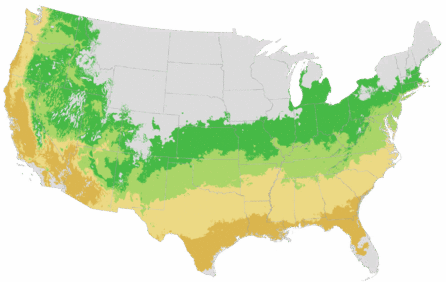
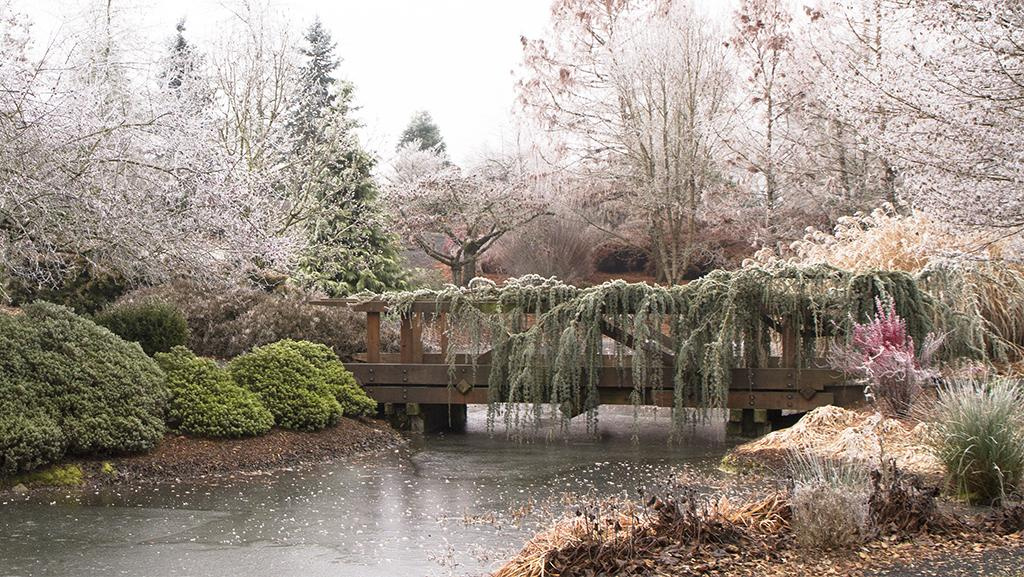

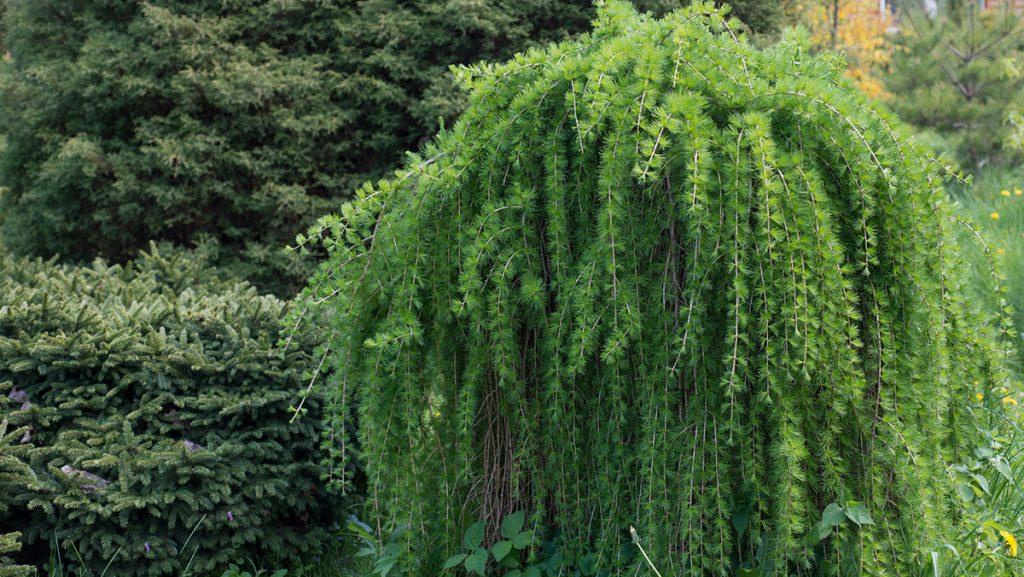
| Description | This dramatic weeping evergreen makes a special addition to any landscape. Superb specimen for minimal-care gardens. Naturally slow-growing with a sprawling horizontal habit, though often trained into an upright, serpentine form. Pendant branchlets display icy-blue needles, creating a graceful, waterfall-like effect. |
|---|---|
| Bloom Time | Conifer; prized for foliage. |
| Deciduous/Evergreen | Evergreen |
| Special Features | Dramatic Foliage Color, Waterwise, Benefits Birds |
| Problems/Solutions | Coastal Exposure, Rabbit Resistant |
| Growth Rate | Slow |
| Growth Habit | Weeping |
| Landscape Use | Suitable for Topiary |
| Foliage Color | Silver-blue |
| Companion Plants | Camellia (Camellia); Crape Myrtle (Lagerstroemia); Magnolia (Magnolia); Japanese Maple (Acer); Fuschia (Fuschia) |
| Care Instructions | Best in loamy well-drained soils, but highly adaptable. Avoid overly wet sites. Water deeply, regularly during the first growing season to establish an extensive root system. Once established, reduce frequency. Fertilize before new growth begins in spring. Train and prune as needed to maintain desired shape. |
Details
| Description | This dramatic weeping evergreen makes a special addition to any landscape. Superb specimen for minimal-care gardens. Naturally slow-growing with a sprawling horizontal habit, though often trained into an upright, serpentine form. Pendant branchlets display icy-blue needles, creating a graceful, waterfall-like effect. |
|---|---|
| Bloom Time | Conifer; prized for foliage. |
| Deciduous/Evergreen | Evergreen |
| Special Features | Dramatic Foliage Color, Waterwise, Benefits Birds |
| Problems/Solutions | Coastal Exposure, Rabbit Resistant |
| Growth Rate | Slow |
| Growth Habit | Weeping |
Style
| Landscape Use | Suitable for Topiary |
|---|---|
| Foliage Color | Silver-blue |
| Companion Plants | Camellia (Camellia); Crape Myrtle (Lagerstroemia); Magnolia (Magnolia); Japanese Maple (Acer); Fuschia (Fuschia) |
Care
| Care Instructions | Best in loamy well-drained soils, but highly adaptable. Avoid overly wet sites. Water deeply, regularly during the first growing season to establish an extensive root system. Once established, reduce frequency. Fertilize before new growth begins in spring. Train and prune as needed to maintain desired shape. |
|---|
Frequently asked questions
Does Weeping Blue Atlas Cedar produce flowers?
Conifer; prized for foliage.
Is Weeping Blue Atlas Cedar evergreen or deciduous?
Weeping Blue Atlas Cedar is Evergreen.
What are the special features of Weeping Blue Atlas Cedar?
Weeping Blue Atlas Cedar is Dramatic Foliage Color, Waterwise, Benefits Birds.
Is Weeping Blue Atlas Cedar resistant to pests or animals?
Coastal Exposure, Rabbit Resistant
How fast does Weeping Blue Atlas Cedar grow?
Weeping Blue Atlas Cedar has a Slow growth rate.
What is the growth habit of Weeping Blue Atlas Cedar?
Weeping Blue Atlas Cedar grows in an Weeping habit.
Where can I use Weeping Blue Atlas Cedar in my landscape?
Weeping Blue Atlas Cedar is suitable for: Suitable for Topiary.
What color is the foliage of Weeping Blue Atlas Cedar?
Weeping Blue Atlas Cedar has Silver-blue foliage.
What plants grow well with Weeping Blue Atlas Cedar?
Good companion plants for Weeping Blue Atlas Cedar include: Camellia (Camellia); Crape Myrtle (Lagerstroemia); Magnolia (Magnolia); Japanese Maple (Acer); Fuschia (Fuschia).
How do I care for Weeping Blue Atlas Cedar?
Best in loamy well-drained soils, but highly adaptable. Avoid overly wet sites. Water deeply, regularly during the first growing season to establish an extensive root system. Once established, reduce frequency. Fertilize before new growth begins in spring. Train and prune as needed to maintain desired shape.
Retailers Near You
About Us
We have been pioneers and craftsmen in the art of growing plants for 100 years. Since our founding in Southern California by Harry E. Rosedale, Sr. in 1926, we have been absolutely dedicated and obsessed with quality.
We have been pioneers and craftsmen in the art of growing plants for nearly 100 years. Since our founding in Southern California by Harry E. Rosedale, Sr. in 1926, we have been absolutely dedicated and obsessed with quality.