
You're growing in this Zip Code:
Change LocationDiscover Plants for Your Area
Junior Walker™ Catmint
Nepeta x faassenii 'Novanepjun' PP #23,074
Pronunciation: NEP-eh-tuh fah-SEN-ee-eye
SKU #40485
LIGHT:
Full sun, Partial sun
WATER:
Allow soil to dry slightly before watering.
SIZE:
Quickly reaches 14 to 16 in. tall, spreading 30 to 36 in. wide.

Retailers Near You
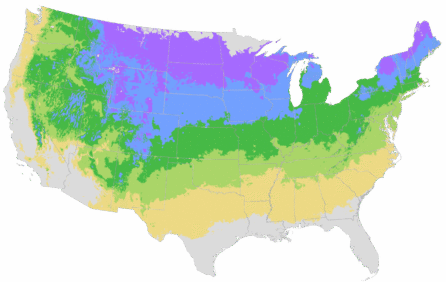
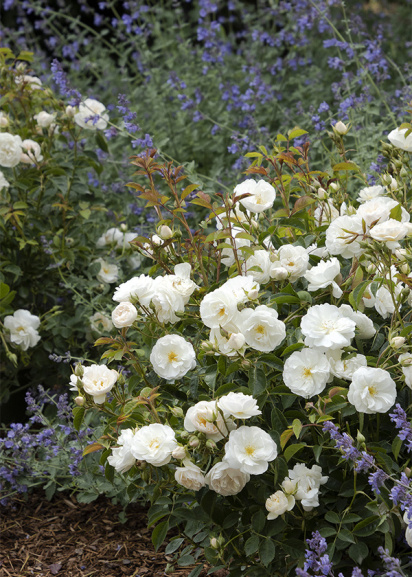
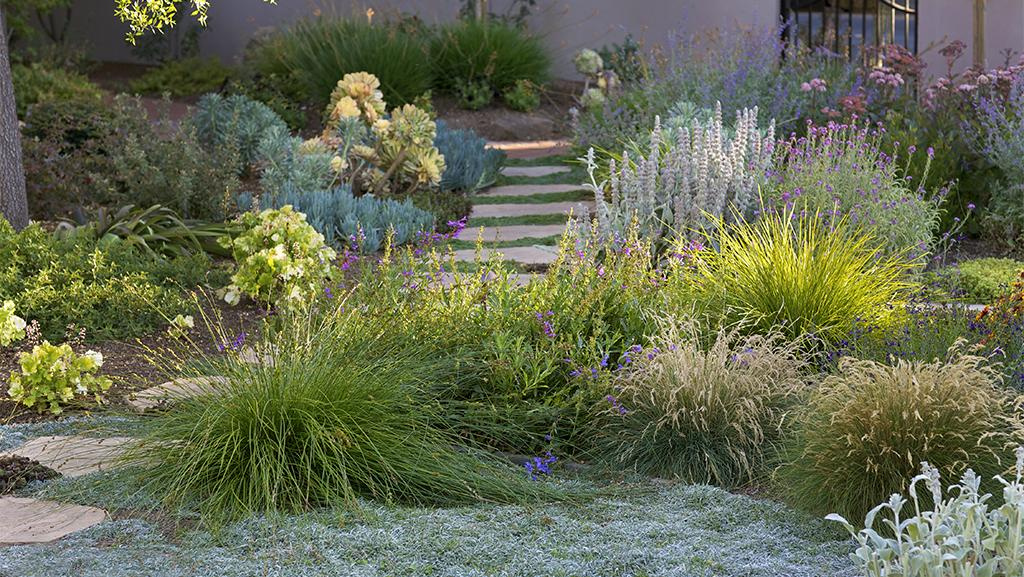
| Description | A superb compact selection with finely textured, aromatic, gray-green foliage and soft, lavender flower spikes on a low, spreading habit. A sterile dwarf form of Walker's Low Catmint. Excellent for cascading off walls or container edges and as groundcover that tolerates periodic drought, when well-established. An herbaceous perennial. |
|---|---|
| Bloom Time | Summer to early fall |
| Deciduous/Evergreen | Herbaceous |
| Special Features | Attracts Hummingbirds, Easy Care, Improved Pest and Disease Resistance, Waterwise, Attracts Pollinators, Fast Growing, Compact Form |
| Problems/Solutions | Deer Resistant, Erosion Control, Rabbit Resistant, Drought Tolerant, Tolerates Urban Pollution |
| Growth Rate | Fast |
| Flower Attributes | Fragrant, Showy Flowers |
| Patent Act | Asexual reproduction of plants protected by the Plant Patent Act is prohibited during the life of the patent. |
| Landscape Use | Border, Container, Ground Cover, Edging |
| Flower Color | Violet-blue |
| Foliage Color | Green |
| Companion Plants | Coneflower (Echinacea); Black-Eyed Susan (Rudbeckia); Blue Fescue (Festuca glauca); Butterfly Weed (Asclepias); Butterfly Bush (Buddleja) |
| Care Instructions | Thrives in average, rocky, well-drained soil with good air circulation. Benefits from afternoon shade in hot summer areas. Water deeply, regularly during first growing season to establish an extensive root system. Once established, reduce frequency; tolerates moderate drought. Remove spent flowers to promote continued bloom. |
| Lore | Nepeta is commonly called catmint, though not all species and varieties produce leaves whose scent is highly attractive and mood-altering to cats. Nepeta cataria is the true catnip that is loved by house cats; the organic compound nepetalactone, which acts as a cat attractant, was first isolated from this species. Not all cats react to this compound; 30% or more of the feline population is completely insensitive to it. Some catmints that may be less likely to be visited by cats include certain varieties of Nepeta x faassennii, Nepeta racemosa, Nepeta siberica, and Nepeta subsessilis. Many plants in the genus Nepeta are deterrents for certain insects, including aphids and squash bugs. |
Details
| Description | A superb compact selection with finely textured, aromatic, gray-green foliage and soft, lavender flower spikes on a low, spreading habit. A sterile dwarf form of Walker's Low Catmint. Excellent for cascading off walls or container edges and as groundcover that tolerates periodic drought, when well-established. An herbaceous perennial. |
|---|---|
| Bloom Time | Summer to early fall |
| Deciduous/Evergreen | Herbaceous |
| Special Features | Attracts Hummingbirds, Easy Care, Improved Pest and Disease Resistance, Waterwise, Attracts Pollinators, Fast Growing, Compact Form |
| Problems/Solutions | Deer Resistant, Erosion Control, Rabbit Resistant, Drought Tolerant, Tolerates Urban Pollution |
| Growth Rate | Fast |
| Flower Attributes | Fragrant, Showy Flowers |
| Patent Act | Asexual reproduction of plants protected by the Plant Patent Act is prohibited during the life of the patent. |
Style
| Landscape Use | Border, Container, Ground Cover, Edging |
|---|---|
| Flower Color | Violet-blue |
| Foliage Color | Green |
| Companion Plants | Coneflower (Echinacea); Black-Eyed Susan (Rudbeckia); Blue Fescue (Festuca glauca); Butterfly Weed (Asclepias); Butterfly Bush (Buddleja) |
Care
| Care Instructions | Thrives in average, rocky, well-drained soil with good air circulation. Benefits from afternoon shade in hot summer areas. Water deeply, regularly during first growing season to establish an extensive root system. Once established, reduce frequency; tolerates moderate drought. Remove spent flowers to promote continued bloom. |
|---|
History
| Lore | Nepeta is commonly called catmint, though not all species and varieties produce leaves whose scent is highly attractive and mood-altering to cats. Nepeta cataria is the true catnip that is loved by house cats; the organic compound nepetalactone, which acts as a cat attractant, was first isolated from this species. Not all cats react to this compound; 30% or more of the feline population is completely insensitive to it. Some catmints that may be less likely to be visited by cats include certain varieties of Nepeta x faassennii, Nepeta racemosa, Nepeta siberica, and Nepeta subsessilis. Many plants in the genus Nepeta are deterrents for certain insects, including aphids and squash bugs. |
|---|
Retailers Near You
About Us
We have been pioneers and craftsmen in the art of growing plants for 100 years. Since our founding in Southern California by Harry E. Rosedale, Sr. in 1926, we have been absolutely dedicated and obsessed with quality.
We have been pioneers and craftsmen in the art of growing plants for nearly 100 years. Since our founding in Southern California by Harry E. Rosedale, Sr. in 1926, we have been absolutely dedicated and obsessed with quality.