
You're growing in this Zip Code:
Discover Plants for Your Area

Whitebarked Himalayan Birch
Betula utilis var. jacquemontii
Pronunciation: BET-ew-luh YOO-tih-liss zhahk-a-MONT-ee-eye
SKU #01231
LIGHT:
Full sun
WATER:
Keep soil moist to wet.
SIZE:
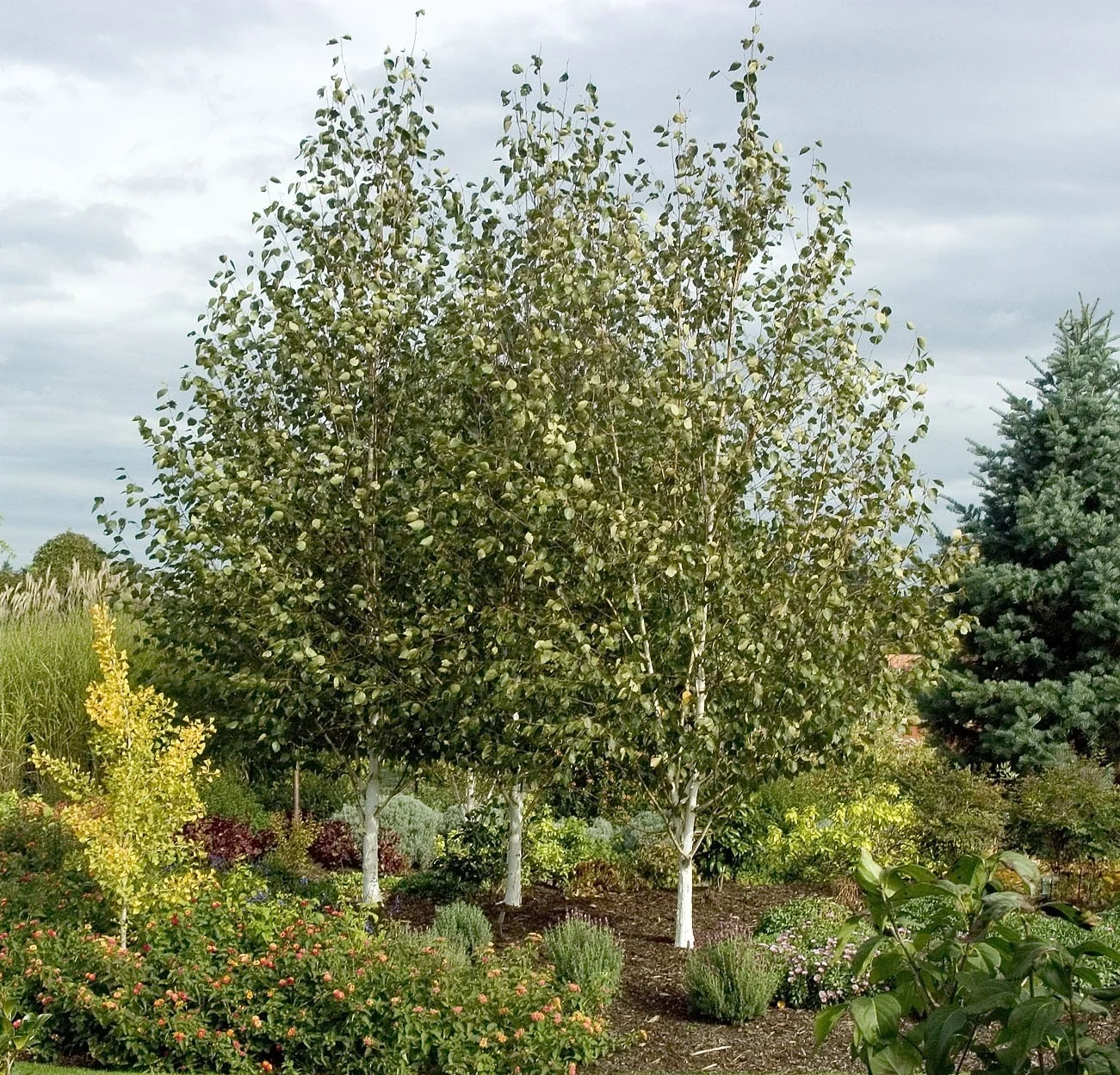
Quickly reaches 35 to 40 ft. tall, 18 to 20 ft. wide.

Retailers Near You
Ready to Grow?
Ship Monrovia plants directly to your door. Browse a curated selection available online.
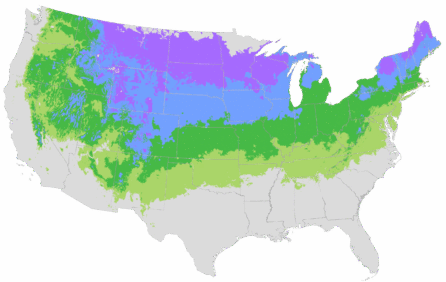
Shop Now >This Plant's Growing Zones: 4-7
Your USDA Cold Hardiness Zone:
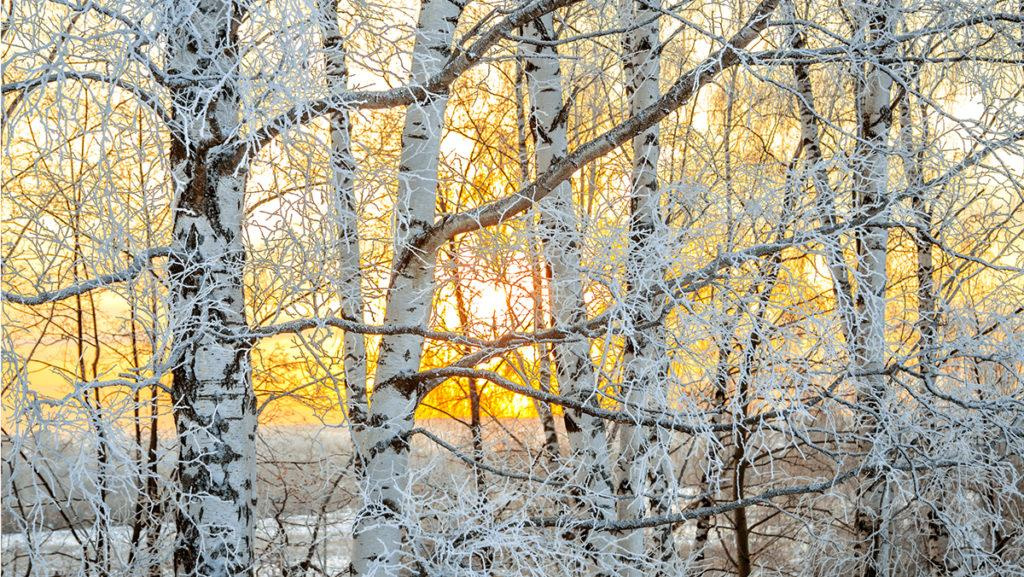
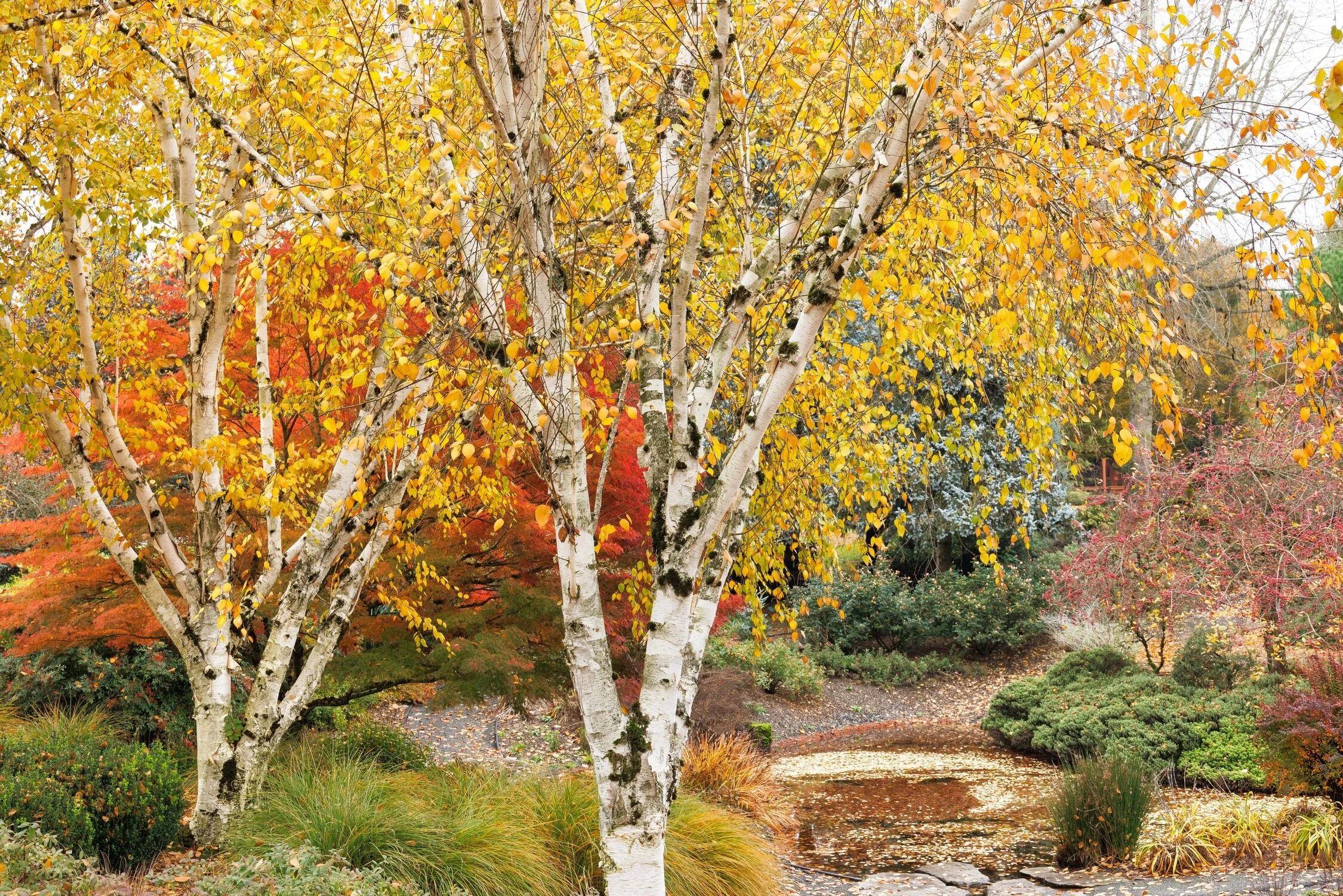
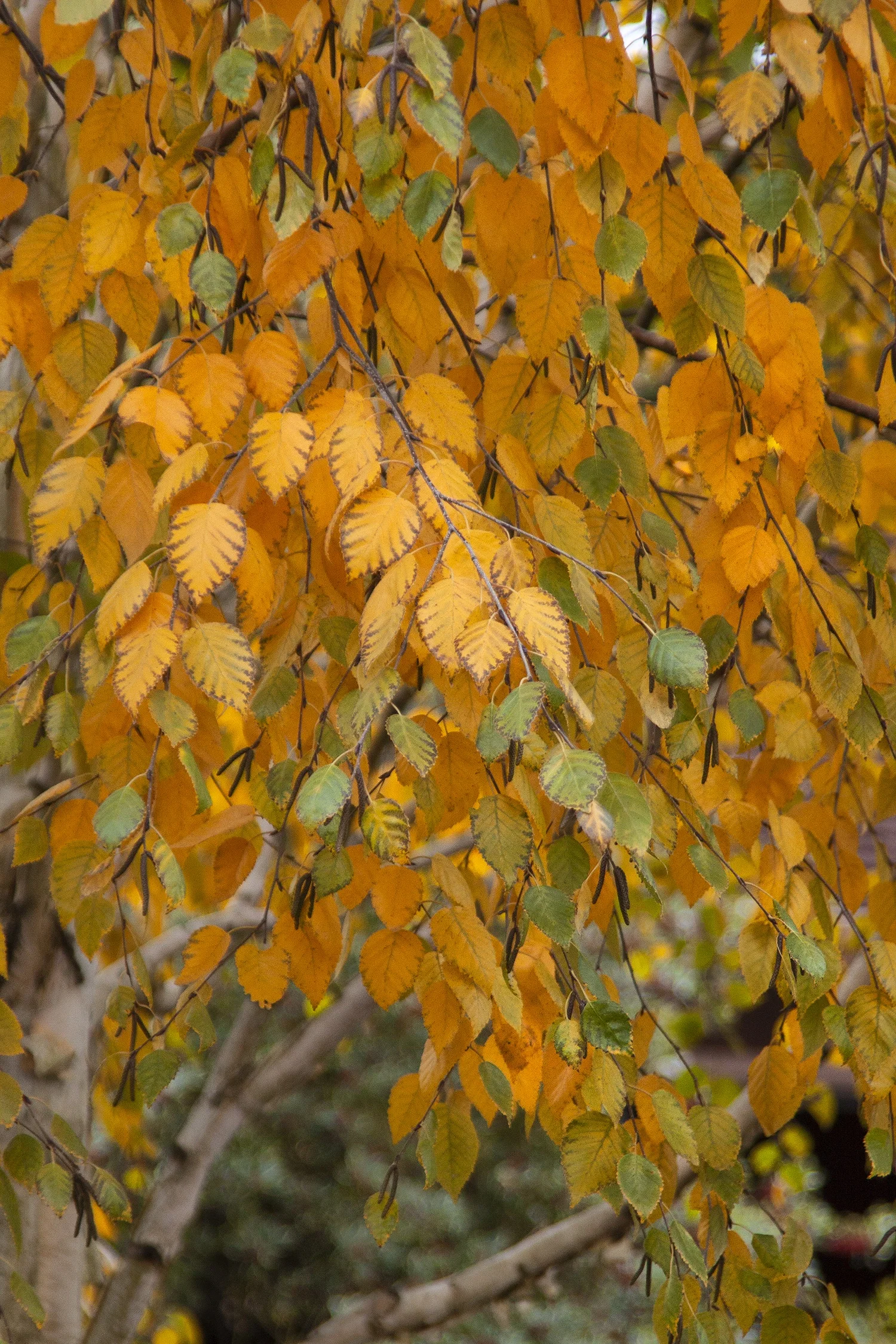
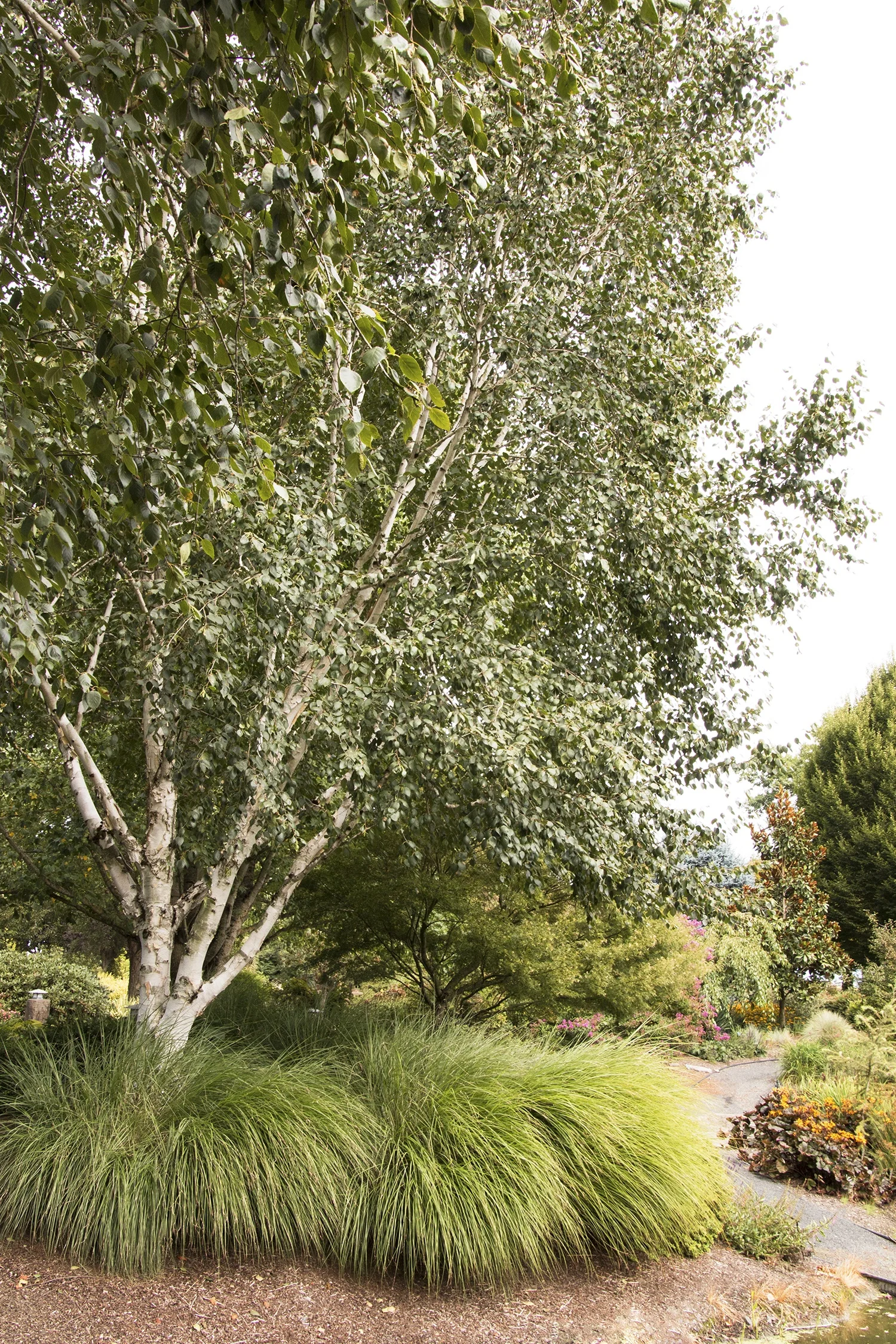
| Description | Exhibits the brightest white bark of any birch for a truly distinctive and exciting show! An exceptional tree with a graceful, open-branched, pyramidal form, exquisite peeling bark, and terrific fall color. Toothy, tapered, dark green foliage transforms to a bright yellow in the fall. Showy catkins drape from the tree in spring. Deciduous. |
|---|---|
| Bloom Time | Spring |
| Deciduous/Evergreen | Deciduous |
| Special Features | Attractive Bark, Fall Color, Fast Growing, Benefits Birds |
| Problems/Solutions | Deer Resistant, Erosion Control |
| Growth Rate | Fast |
| Growth Habit | Pyramidal |
| Landscape Use | Windbreak |
| Design Ideas | Excellent tree for very large home sites, parks, and open spaces. A problem solver for low-lying sites too wet for many other species. An important component of the wetland wild garden and for re-vegetating disturbed sites along river banks that benefit from extensive root stabilization of eroding banks. |
| Flower Color | Yellow |
| Foliage Color | Green |
| Foliage Fall Color | Yellow |
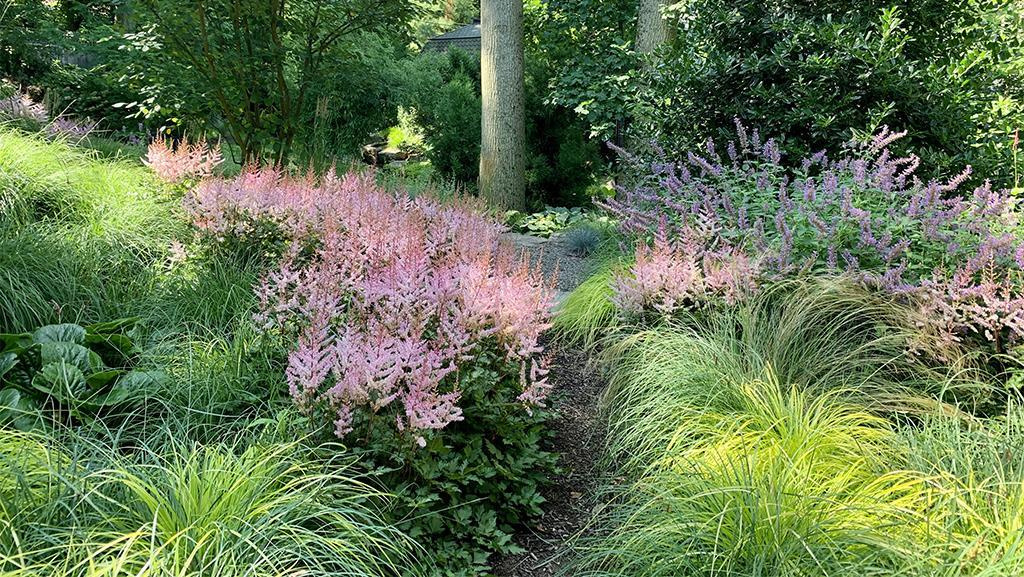
| Companion Plants | Boxwood (Buxus); Lenten Rose (Helleborus); Sweet Flag (Acorus); Grecian Pattern Plant (Acanthus mollis); Curly Sedge (Carex) |
| Care Instructions | Thrives in deep, loamy, moist but well-drained soil amended with sand or gravel, but highly adaptable. Water deeply, regularly during the first few growing seasons to establish an extensive root system; once established, maintain evenly moist soil. Feed with a general purpose fertilizer before new growth begins in spring. |
| History | This unique species is native to the Himalayan Mountains of Asia. It was discovered by Sir Joseph Hooker on his long journey to Tibet from 1848 to 1851. He named and introduced this species in 1849 under B. utilis, but French naturalist Victor Jacquermont's variation of this tree collected earlier in Kashmir led the continental name to be B. jacquemontonii. Today as with this example, both names have been combined to recognize both sources. |
| Lore | This species is considered to bear the most beautiful white bark of all the birches. The flaky, peeling bark of B. utilis was at one time used as a writing medium. |
Details
| Description | Exhibits the brightest white bark of any birch for a truly distinctive and exciting show! An exceptional tree with a graceful, open-branched, pyramidal form, exquisite peeling bark, and terrific fall color. Toothy, tapered, dark green foliage transforms to a bright yellow in the fall. Showy catkins drape from the tree in spring. Deciduous. |
|---|---|
| Bloom Time | Spring |
| Deciduous/Evergreen | Deciduous |
| Special Features | Attractive Bark, Fall Color, Fast Growing, Benefits Birds |
| Problems/Solutions | Deer Resistant, Erosion Control |
| Growth Rate | Fast |
| Growth Habit | Pyramidal |
Style
| Landscape Use | Windbreak |
|---|---|
| Design Ideas | Excellent tree for very large home sites, parks, and open spaces. A problem solver for low-lying sites too wet for many other species. An important component of the wetland wild garden and for re-vegetating disturbed sites along river banks that benefit from extensive root stabilization of eroding banks. |
| Flower Color | Yellow |
| Foliage Color | Green |
| Foliage Fall Color | Yellow |
| Companion Plants | Boxwood (Buxus); Lenten Rose (Helleborus); Sweet Flag (Acorus); Grecian Pattern Plant (Acanthus mollis); Curly Sedge (Carex) |
Care
| Care Instructions | Thrives in deep, loamy, moist but well-drained soil amended with sand or gravel, but highly adaptable. Water deeply, regularly during the first few growing seasons to establish an extensive root system; once established, maintain evenly moist soil. Feed with a general purpose fertilizer before new growth begins in spring. |
|---|
History
| History | This unique species is native to the Himalayan Mountains of Asia. It was discovered by Sir Joseph Hooker on his long journey to Tibet from 1848 to 1851. He named and introduced this species in 1849 under B. utilis, but French naturalist Victor Jacquermont's variation of this tree collected earlier in Kashmir led the continental name to be B. jacquemontonii. Today as with this example, both names have been combined to recognize both sources. |
|---|---|
| Lore | This species is considered to bear the most beautiful white bark of all the birches. The flaky, peeling bark of B. utilis was at one time used as a writing medium. |
Retailers Near You
About Us
We have been pioneers and craftsmen in the art of growing plants for 100 years. Since our founding in Southern California by Harry E. Rosedale, Sr. in 1926, we have been absolutely dedicated and obsessed with quality.
We have been pioneers and craftsmen in the art of growing plants for nearly 100 years. Since our founding in Southern California by Harry E. Rosedale, Sr. in 1926, we have been absolutely dedicated and obsessed with quality.