
You're growing in this Zip Code:
Discover Plants for Your Area


Mimosa Tree
Albizia julibrissin 'Rosea'
Pronunciation: al-BIZ-ee-uh ju-lee-BRI-sin RO-zee-uh
SKU #00195
LIGHT:
Full sun
WATER:
Once established water during dry spells.
SIZE:
Quickly reaches 30 ft. tall and wide.

Retailers Near You
Ready to Grow?
Ship Monrovia plants directly to your door. Browse a curated selection available online.
Shop Now >This Plant's Growing Zones: 6-9
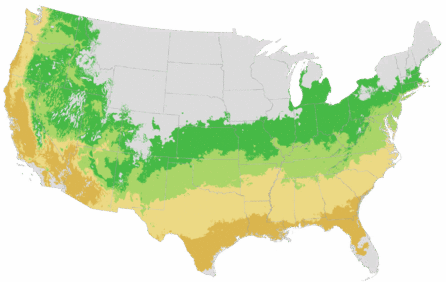
Your USDA Cold Hardiness Zone:
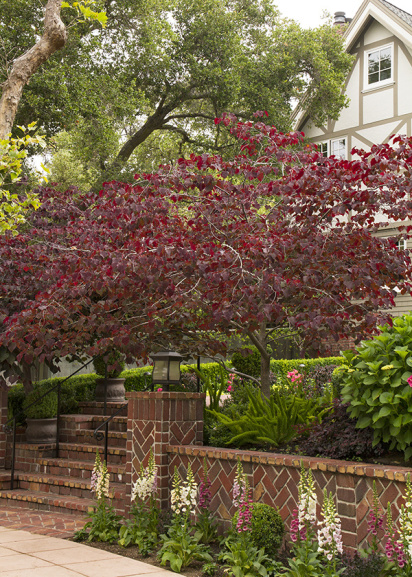
| Description | A colorful landscape tree, noted for its especially colorful, deep, rosy-pink, pincushion-like, summer flowers. Creates an exotic umbrella of dappled shade. Loves tropical and subtropical climates and takes well to hot, humid climates. Pretty, multi-trunk tree in natural form. Deciduous. |
|---|---|
| Bloom Time | Summer |
| Deciduous/Evergreen | Deciduous |
| Special Features | Easy Care, Waterwise, Heat Loving, Fast Growing |
| Problems/Solutions | Coastal Exposure, Deer Resistant, Rabbit Resistant, Tolerates Urban Pollution |
| Growth Rate | Fast |
| Flower Attributes | Showy Flowers |
| Landscape Use | Poolside |
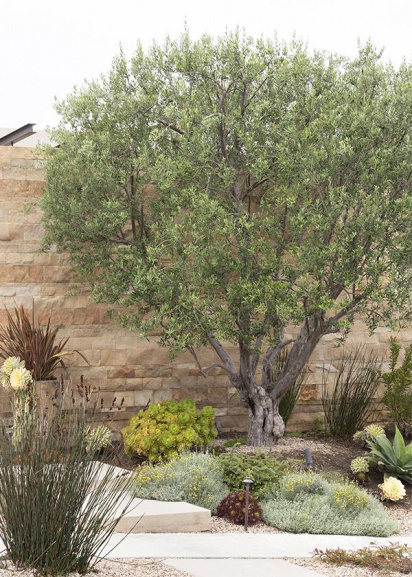
| Design Ideas | Mimosa is a perfect tree for creating quick shade on new homesites in warm climates. Use it to reduce heat island effect from pavement on driveways, parking lots and streetside. An historically correct tree for front or back lawns of Victorian homes. A beautiful accent to Spanish architecture, ranches and Santa Fe designed home. A chameleon that will be equally suited to shading tropical gardens filled with understory exotics. |
| Flower Color | Pink |
| Foliage Color | Green |
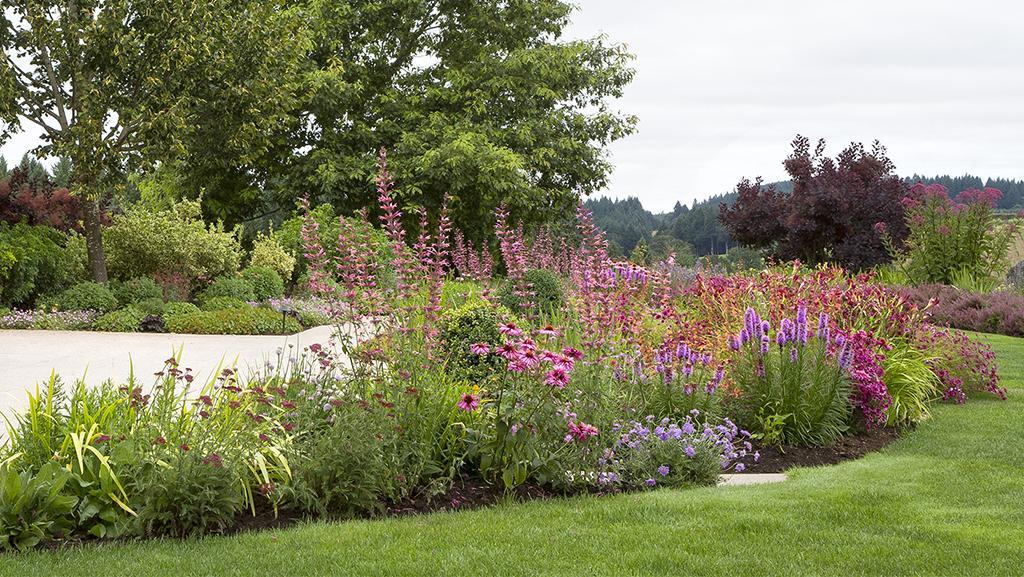
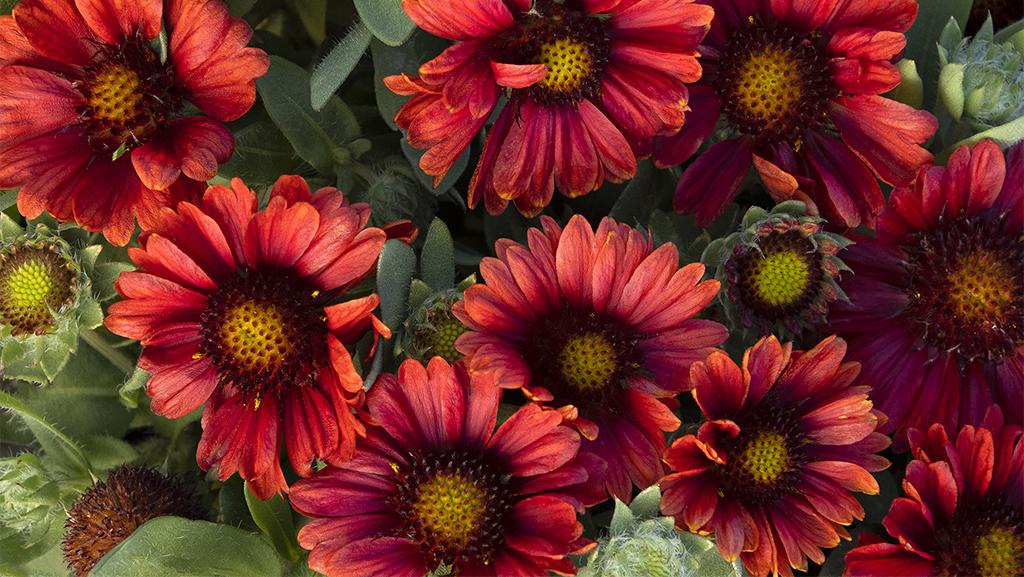
| Companion Plants | California Lilac (Ceanothus); False Cypress (Chamaecyparis); Rose (Rosa); Russian Sage (Perovskia); Coneflower (Echinacea) |
| Care Instructions | Grows easily in poor to moderately fertile, well-drained soils. Water deeply, regularly in first growing season to establish an extensive root system. Once established in the landscape, reduce frequency; tolerates moderate, periodic drought, particularly in coastal regions. In containers, continue to water regularly. Feed in early spring. |
| History | Albizia julibrissin species is believed to originally have been a native to deciduous forests of China, but has been found in a range stretching from Japan to Iran. Since its introduction into the United Sates circa 1745, this species has become a fixture in the hot, humid southern states. |
Details
| Description | A colorful landscape tree, noted for its especially colorful, deep, rosy-pink, pincushion-like, summer flowers. Creates an exotic umbrella of dappled shade. Loves tropical and subtropical climates and takes well to hot, humid climates. Pretty, multi-trunk tree in natural form. Deciduous. |
|---|---|
| Bloom Time | Summer |
| Deciduous/Evergreen | Deciduous |
| Special Features | Easy Care, Waterwise, Heat Loving, Fast Growing |
| Problems/Solutions | Coastal Exposure, Deer Resistant, Rabbit Resistant, Tolerates Urban Pollution |
| Growth Rate | Fast |
| Flower Attributes | Showy Flowers |
Style
| Landscape Use | Poolside |
|---|---|
| Design Ideas | Mimosa is a perfect tree for creating quick shade on new homesites in warm climates. Use it to reduce heat island effect from pavement on driveways, parking lots and streetside. An historically correct tree for front or back lawns of Victorian homes. A beautiful accent to Spanish architecture, ranches and Santa Fe designed home. A chameleon that will be equally suited to shading tropical gardens filled with understory exotics. |
| Flower Color | Pink |
| Foliage Color | Green |
| Companion Plants | California Lilac (Ceanothus); False Cypress (Chamaecyparis); Rose (Rosa); Russian Sage (Perovskia); Coneflower (Echinacea) |
Care
| Care Instructions | Grows easily in poor to moderately fertile, well-drained soils. Water deeply, regularly in first growing season to establish an extensive root system. Once established in the landscape, reduce frequency; tolerates moderate, periodic drought, particularly in coastal regions. In containers, continue to water regularly. Feed in early spring. |
|---|
History
| History | Albizia julibrissin species is believed to originally have been a native to deciduous forests of China, but has been found in a range stretching from Japan to Iran. Since its introduction into the United Sates circa 1745, this species has become a fixture in the hot, humid southern states. |
|---|
Retailers Near You
About Us
We have been pioneers and craftsmen in the art of growing plants for 100 years. Since our founding in Southern California by Harry E. Rosedale, Sr. in 1926, we have been absolutely dedicated and obsessed with quality.
We have been pioneers and craftsmen in the art of growing plants for nearly 100 years. Since our founding in Southern California by Harry E. Rosedale, Sr. in 1926, we have been absolutely dedicated and obsessed with quality.